You know that feeling when the beat drops and suddenly your limbs have a mind of their own? David Byrne's concerts are basically a masterclass in collective joy, with entire audiences getting their groove on. One concert-goer, after two hours of pure, unadulterated boogie, was so invigorated they signed up for dance classes. Because apparently, that's where we are now — letting our bodies lead the way to actual happiness.
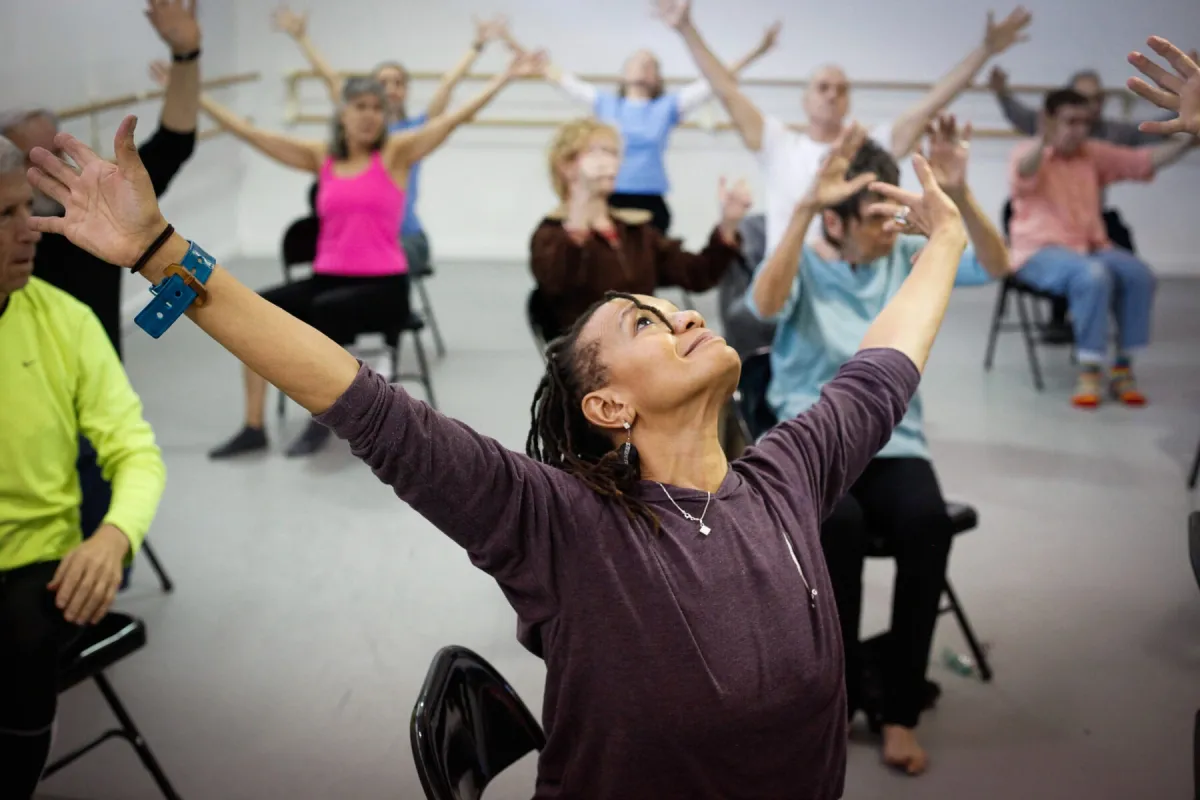
Enter "Groove Therapy," a class where ages 16 to 70+ gather to translate abstract concepts like "release" and "resist" into actual movement. It's like therapy, but with less talking and more hip-hop shuffles. Participants leave feeling that perfect blend of utterly exhausted and completely recharged. Which, if you think about it, is both impressive and slightly terrifying.
Your Brain on the Dance Floor
Turns out, science is finally catching up to what your happy feet already knew: dancing is a full-spectrum health hack. We're talking physical, mental, and emotional benefits packed into one surprisingly fun activity.
We're a new kind of news feed.
Regular news is designed to drain you. We're a non-profit built to restore you. Every story we publish is scored for impact, progress, and hope.
Start Your News DetoxPhysically, it's a cardio party that boosts heart health, strength, and coordination. One study found that seniors who regularly cut a rug were less prone to falls, stronger, and even mentally sharper than their less-groovy counterparts. Take that, treadmill.
But the real showstopper? What dancing does to your brain. It's not just moving your feet; it's a full-on neurological rave. Dancing lights up areas for hearing, sight, movement, and emotions. It even activates your somatosensory cortex, which is basically your brain's internal GPS for knowing where your body is in space. Your brain is simultaneously processing rhythm, melody, and translating it all into new steps, often on the fly. This real-time, multi-sensory multitasking is a tougher workout for your grey matter than many other sports. Take a bow, brain.
Down in Brooklyn, David Leventhal runs a dance class that brings this to life. He encourages participants, many living with Parkinson's, to visualize and move — imagine a warm beach, then let your body respond to the music. Suddenly, a simple studio transforms into a space of imagination and healing. So next time you're debating a workout, maybe just put on some tunes and let your inner David Byrne take over. Your brain (and the rest of you) will thank you.