Good news, outdoor enthusiasts and anyone who lives near a patch of grass: the world's first Lyme disease vaccine could be ready by next year. After decades of waiting, pharmaceutical giants Pfizer and Valneva are now knocking on the FDA's door, armed with promising Phase III trial results.
The target? A vaccine that’s over 70% effective at warding off the insidious tick-borne illness. Which, if you've ever had Lyme or know someone who has, sounds like a pretty good deal.
The Tiny Terrorist and Its Expanding Empire
Lyme disease isn't just a rash; it's a whole host of debilitating symptoms from crushing fatigue and joint pain to, in severe cases, heart and nervous system issues. And while the CDC officially reported 89,000 cases in 2023, the actual number is likely closer to half a million annually. Many people get treated without a formal diagnosis, which means a lot of quiet suffering.
We're a new kind of news feed.
Regular news is designed to drain you. We're a non-profit built to restore you. Every story we publish is scored for impact, progress, and hope.
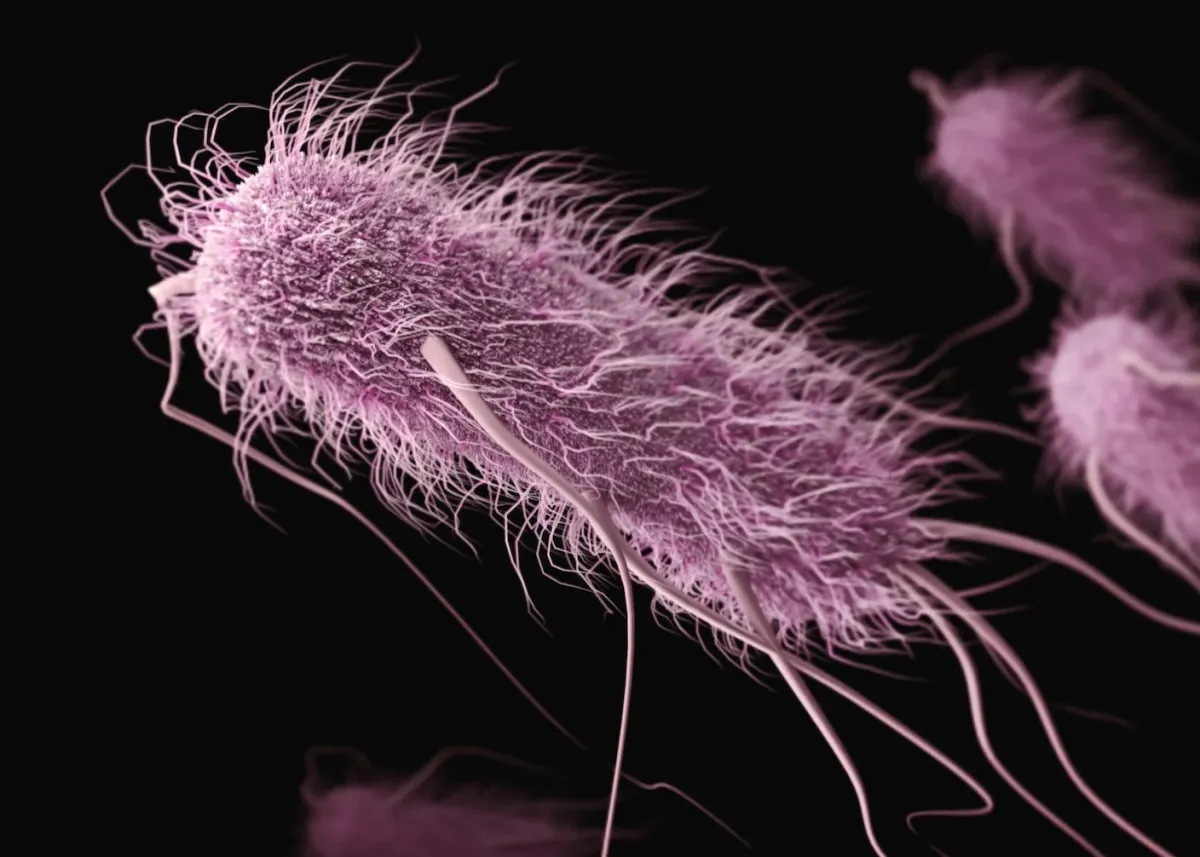
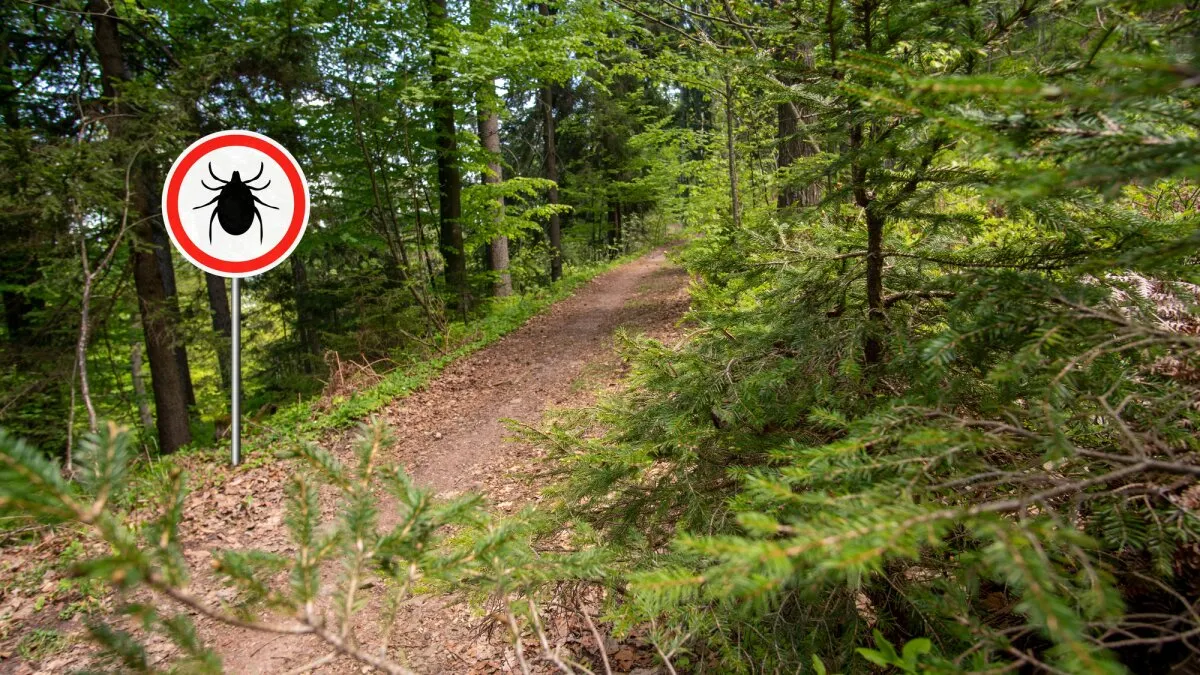
Start Your News DetoxThe culprit is the deer tick (Ixodes scapularis), a tiny menace carrying the Borrelia burgdorferi bacteria. These little vampires hitch rides on everything from squirrels to, well, deer, and they're expanding their territory thanks to warming climates. More ticks, more problems. So, a vaccine isn't just a convenience; it's becoming a necessity for anyone who dares venture outside.
The vaccine candidate, cleverly named PF-07307405 (or LB6V for short, because who wants to say that whole thing?), works by targeting a protein on the bacteria's surface. Basically, it teaches your immune system to recognize and attack the invader before it can set up shop in your body. In trials, it hit 73.2% effectiveness 28 days after the fourth dose. Let that satisfying number sink in.
Now, there was a slight hiccup: Pfizer and Valneva didn't quite hit a specific statistical goal for their Phase III trial. Not because the vaccine didn't work, but because there were surprisingly fewer Lyme disease cases in the study population than anticipated. (Which, for the people in the study, is probably excellent news, but a minor headache for statisticians.)
Despite the statistical curveball, the clinical data was strong enough for both companies to enthusiastically push for FDA approval. Thomas Lingelbach, Valneva's CEO, noted that these results bring them "closer to providing a much-needed vaccine." And given that the last attempt at a Lyme vaccine was pulled from the market in 2002, this is a very big deal indeed.
So, if all goes well, we could be looking at a new tool to fight off one of nature's more irritating tiny terrors by 2027. Your summer hikes might just get a little less itchy.