Imagine a medical diagnosis so subtle, so utterly invisible, that even the sharpest human eyes miss it. For years. That's been the grim reality of pancreatic cancer, a silent assassin that typically announces itself when it's already too late.
But now, there's a new contender in the ring: an AI system named REDMOD. And it's spotting these microscopic harbingers of doom up to three years before any doctor could.
A Needle in a Haystack, Seen by a Robot
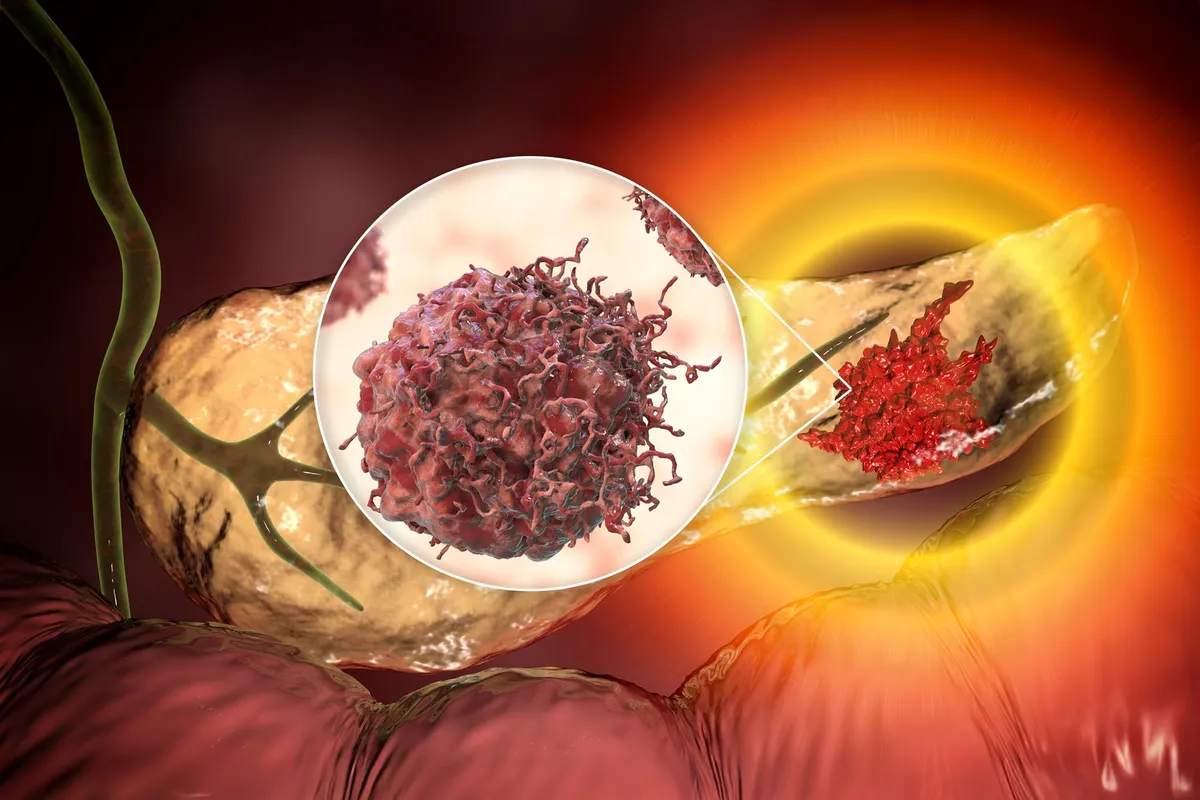
Pancreatic ductal adenocarcinoma is the most common and deadliest form of pancreatic cancer, primarily because it's a master of disguise. It grows fast, causes no symptoms early on, and leaves no visible traces on standard CT scans. By the time it's found, the survival rate is tragically low.
We're a new kind of news feed.
Regular news is designed to drain you. We're a non-profit built to restore you. Every story we publish is scored for impact, progress, and hope.
Start Your News DetoxEnter REDMOD. This AI isn't just looking at images; it's practically sniffing out the future. It analyzes what scientists call "radiomics" — incredibly subtle patterns in tissue texture that signal early pancreatic cancer. These aren't just tiny changes; they're changes so minute, they're literally invisible to the human eye, even a highly trained one.
Published in the journal Gut, the research shows REDMOD not only detects these "stage zero" cancers, but it also automatically outlines the pancreas, a task usually done by hand (and with less accuracy) by radiologists.
To test its mettle, researchers fed REDMOD CT scans from 219 patients who were initially given a clean bill of health, only to be diagnosed with pancreatic cancer months or even years later. They also threw in scans from 1,243 cancer-free individuals as a control group. The results? REDMOD consistently found the "invisible" signs of cancer an average of 475 days before an official diagnosis.
Let that satisfyingly precise number sink in. Nearly a year and a half of lead time. For a cancer where every single day counts.
Outperforming the Experts
How good is this thing? Well, it was almost twice as accurate as experienced radiologists at correctly identifying true positive cases (73% vs. 39%). For cancers detected more than two years out, REDMOD was nearly three times more accurate. Which, if you think about it, is both impressive and slightly terrifying for the human experts.
If the number of localized pancreatic cancers found early could jump from 10% to 50%, survival rates could more than double. That's the kind of math that makes everyone sit up a little straighter.
While more testing is needed — particularly with diverse ethnic groups and high-risk patients like those with unexplained weight loss or new diabetes diagnoses — REDMOD represents a significant leap. It's not just finding cancer; it's finding it when it's essentially a ghost, offering a real shot at a cure instead of just managing a grim prognosis. Suddenly, the future of early detection looks a whole lot brighter.