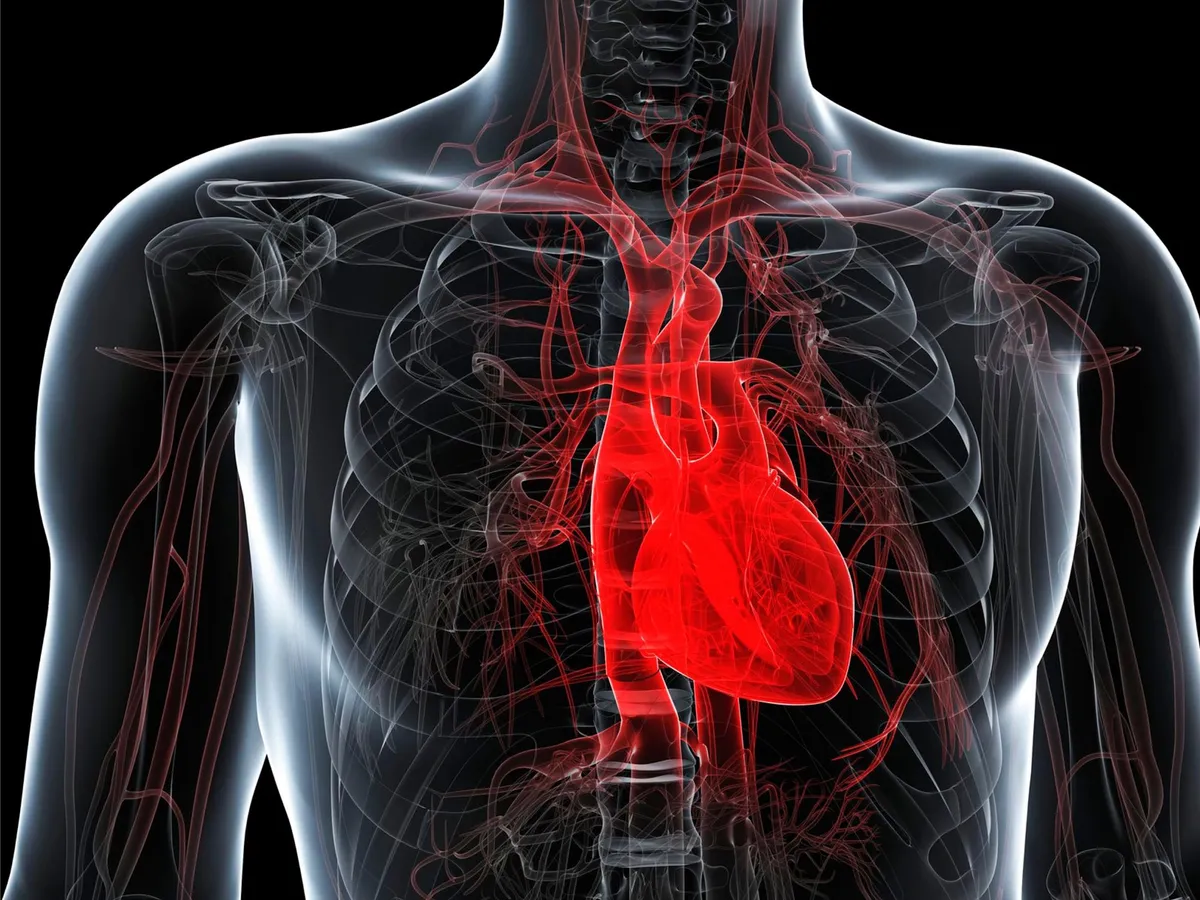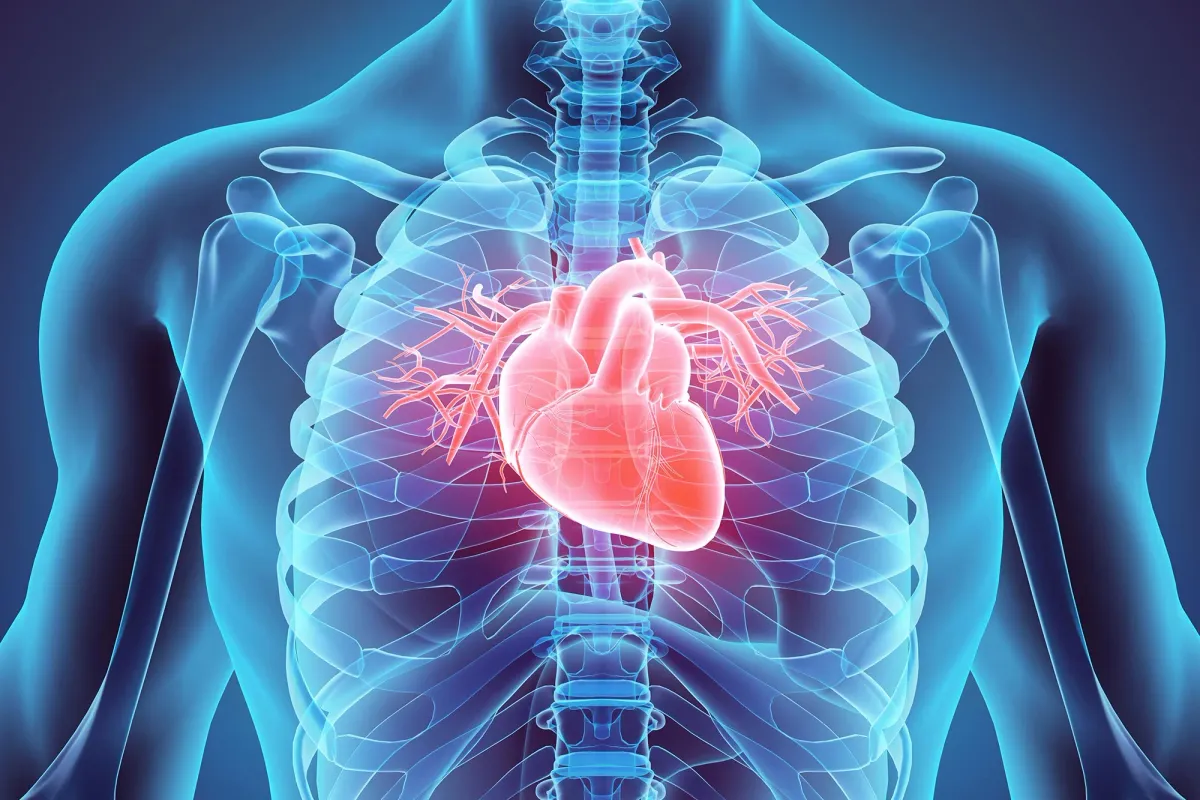
For decades, the medical world largely agreed: a heart attack meant permanent damage. Scar tissue formed, pumping ability dropped, and that was that. Game over for those particular cells. But now, scientists are taking a sledgehammer to that long-held belief, revealing that human hearts might just have a secret self-healing ability.
Turns out, those muscle cells in your ticker? They can regenerate after a heart attack. Yes, regrow. Up until now, this biological party trick was thought to be exclusive to mice. Because apparently, that's where we are now: mice are showing off their regenerative powers, and we're just trying to keep up.
The Heart's Quiet Comeback
This isn't just a hopeful hunch. A team from the University of Sydney, the Baird Institute, and Royal Prince Alfred Hospital confirmed it. Their findings, published in Circulation Research, essentially rewrite a chapter in cardiology textbooks.
We're a new kind of news feed.
Regular news is designed to drain you. We're a non-profit built to restore you. Every story we publish is scored for impact, progress, and hope.
Start Your News DetoxDr. Robert Hume, the lead author, put it plainly: we used to think those damaged areas were just scarred over, done for. But while scars definitely still form (because the body loves a good scar), the heart is also quietly, diligently creating new muscle cells.
Now, before you go canceling your gym membership and ordering extra fries, this natural regrowth isn't enough to prevent the severe aftermath of a heart attack. But it's a monumental shift in understanding, opening the door for therapies that could boost this innate healing power. Imagine a future where we don't just treat heart attack symptoms, but actively help the heart rebuild itself. Which, if you think about it, is both impressive and slightly terrifying.
This study is the world's first to confirm this cell division, called mitosis, in human heart muscle after a heart attack. Because, you know, we always knew mice were special.
A Global Challenge, a New Hope
Heart disease remains the leading cause of death globally. In Australia alone, it accounts for nearly a quarter of all fatalities. A single heart attack can wipe out up to a third of the heart's cells, often leading to heart failure – a condition so severe that a transplant is frequently the only long-term solution.
About 144,000 Australians are currently living with heart failure. The kicker? Only around 115 heart transplants happen each year. That's a brutal gap between need and availability, a gap this new research aims to shrink.
So, how did they figure this out? They pioneered a technique to analyze living heart tissue taken directly from patients during bypass surgery at Royal Prince Alfred Hospital. These aren't just post-mortem samples; these are live, beating bits of human heart. They compared samples from both diseased and healthy sections, using a special method developed by Professors Paul Bannon and Sean Lal.
This breakthrough in sample collection allowed them to create a lab model using actual human heart tissue. Professor Sean Lal, a senior author and heart failure cardiologist, says the ultimate goal is to generate new heart cells to reverse heart failure. And having a living, breathing (metaphorically speaking) human heart model? That's going to give them far more accurate data for developing those life-changing treatments. They've already identified several proteins involved in mouse heart regeneration, which is a promising start to translating this tiny mouse superpower into a very human one.