Even the most cutting-edge tech has its Achilles' heel. For superconducting quantum computers, it's a persistent, frustrating glitch that has plagued them for years, causing sudden, widespread errors that no one could quite explain. Now, a team at Google Quantum AI thinks they've cracked the code.
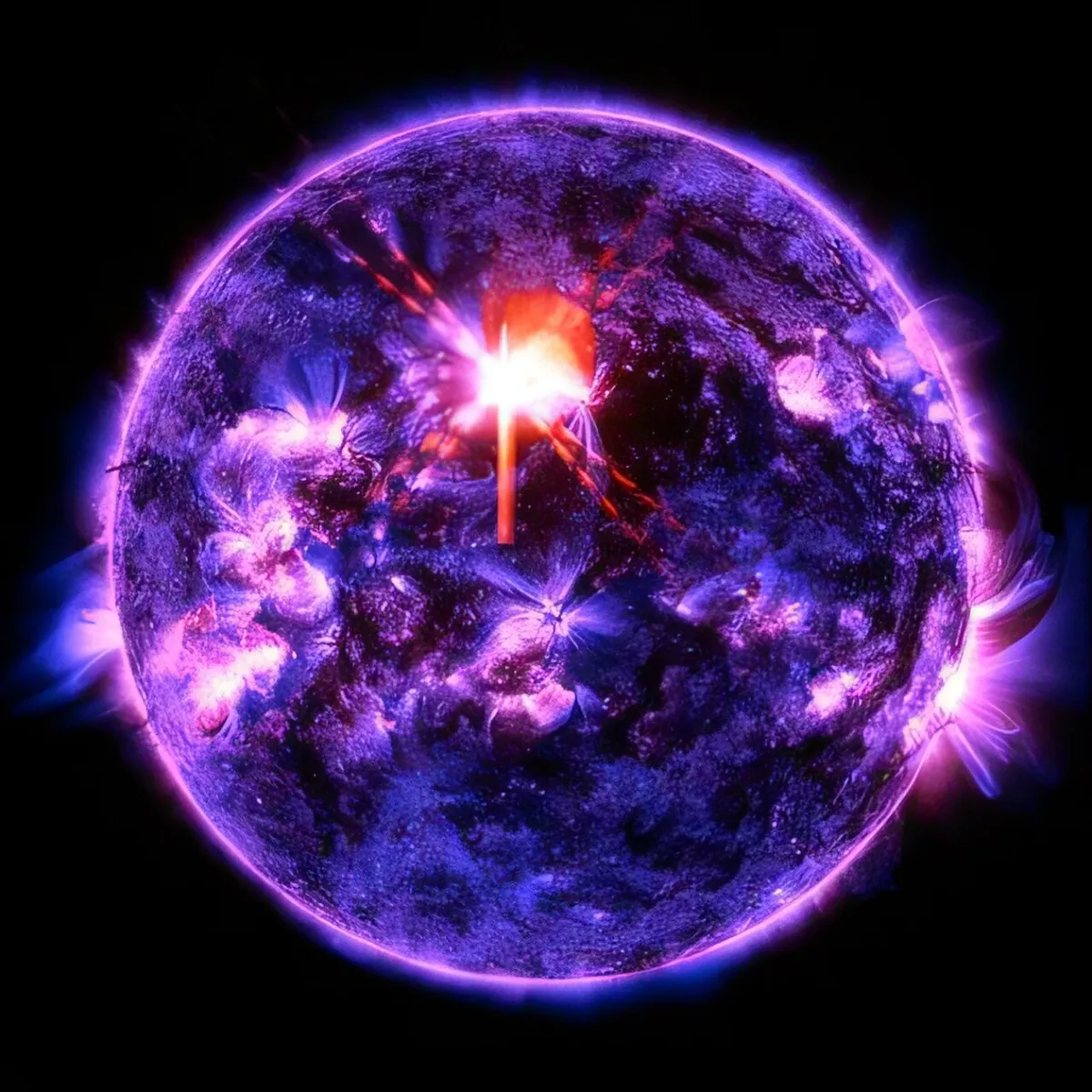
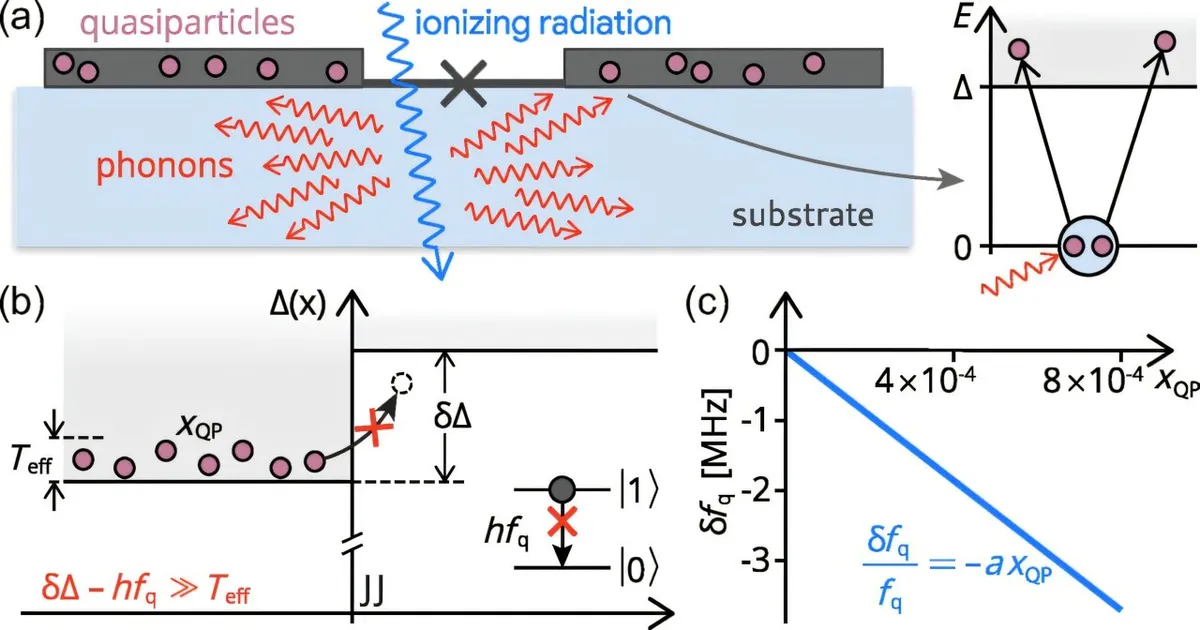
Imagine you've built a super-fortress of a computer chip, designed to keep rogue particles out. These particles — called quasiparticles — are basically cosmic dust bunnies, created when radiation from space (or even just the environment) zaps the chip's silicon base. They're tiny, but they're chaos agents for qubits, the fundamental building blocks of quantum computers.
To combat this, scientists developed something called "gap engineering." Think of it as building an energy wall around the sensitive bits of the qubit, making it harder for those pesky quasiparticles to waltz in and cause trouble.
We're a new kind of news feed.
Regular news is designed to drain you. We're a non-profit built to restore you. Every story we publish is scored for impact, progress, and hope.
Start Your News DetoxThe Wall Had a Blind Spot
But here's the rub: even with these defenses, the computer would occasionally throw a tantrum. Sudden "error bursts" would hit multiple qubits all at once, and no one knew why. It was like having a perfectly sealed vault that still somehow sprung a leak during a rainstorm.
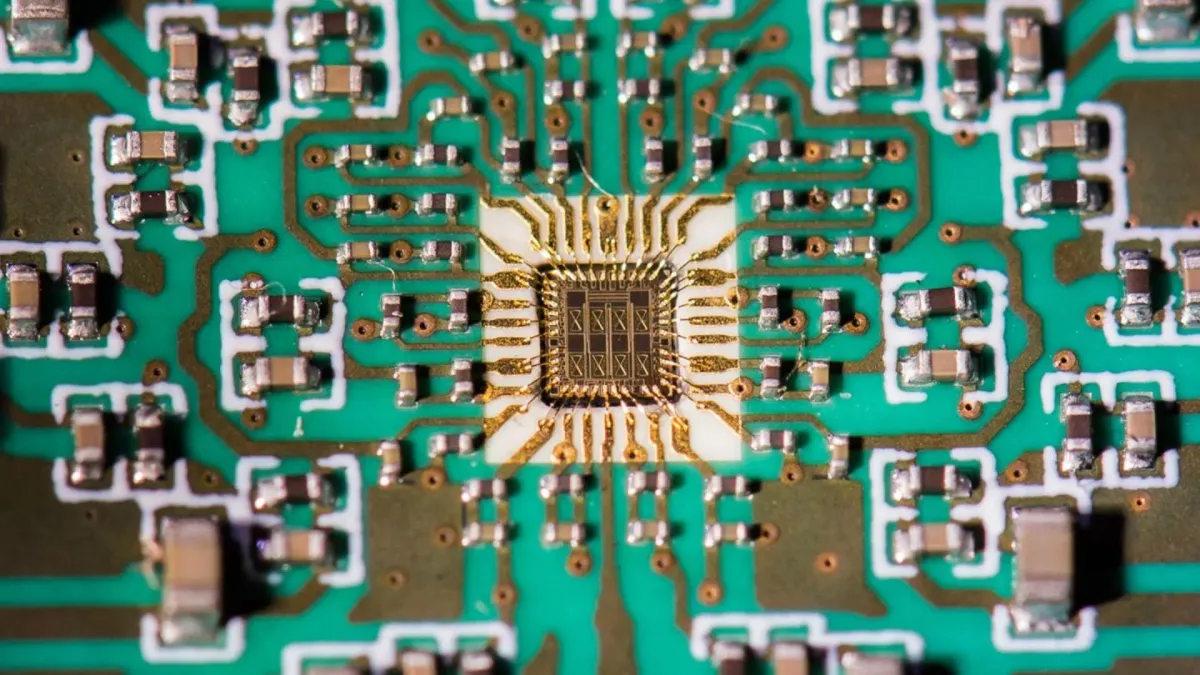
Enter Vladislav Kurilovich and his team. They set out to catch these bursts in the act, using a 72-qubit processor (dubbed "Willow") to take rapid-fire measurements every few microseconds. They published their findings in Physical Review X.
What they discovered was a new kind of sneaky error. Even if the quasiparticles couldn't physically get past the energy walls, they were still causing trouble. They were subtly shifting the qubits' frequencies, making them lose sync with the control pulses. This led to what are called "phase errors" — incorrect shifts in the qubits' quantum state.
Basically, the quasiparticles weren't breaking into the vault; they were just rattling the walls so hard that the sensitive instruments inside started miscalibrating. This explains why previous attempts to find the error failed; they were looking for a break-in, not a subtle vibration.
Good news, though: the Google researchers didn't just find the problem; they also developed a fix. They're using "echo pulses" — extra control operations that essentially cancel out these unwanted phase shifts. It's like having a sound-canceling headphone for your quantum computer, keeping things stable even when the universe tries to shake them up.
Which, if you think about it, is both impressive and slightly terrifying.