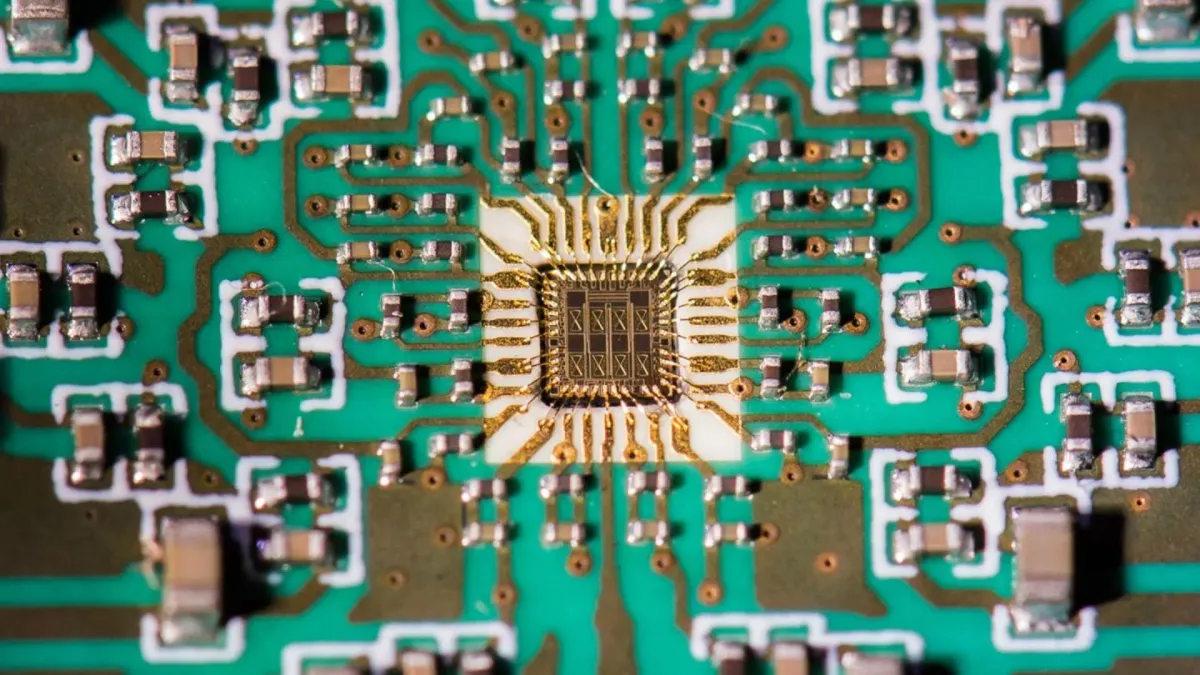
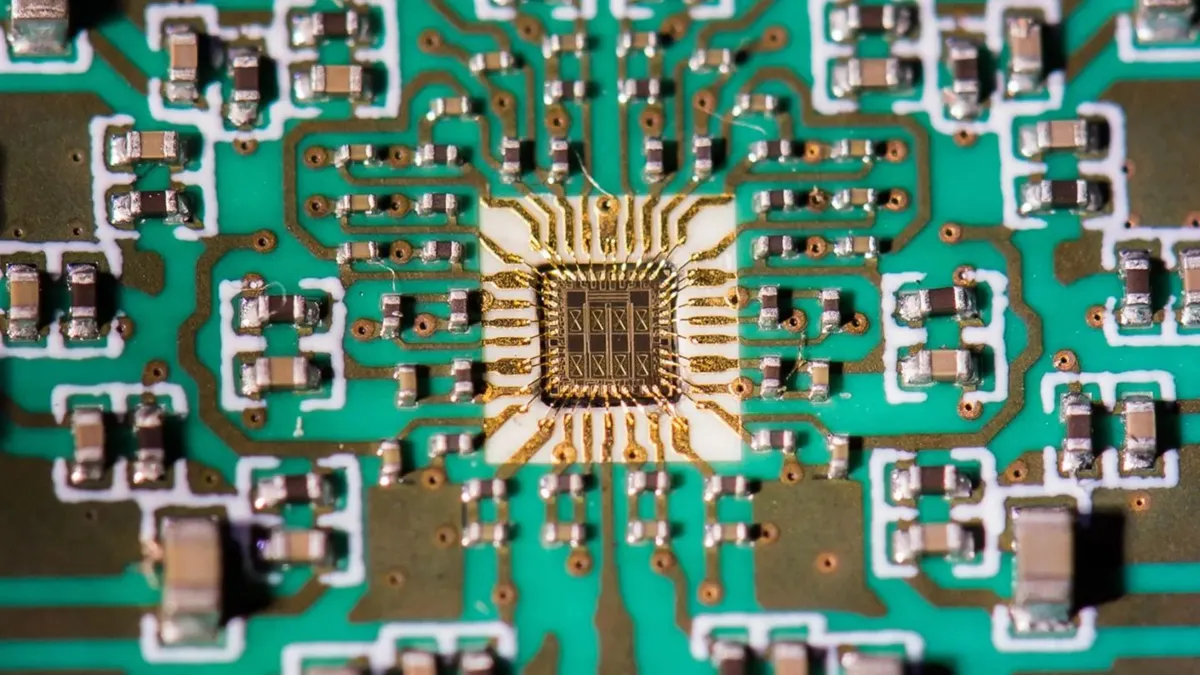
Scientists in Germany have created a new silicon-germanium chip. This chip sets a world record for how fast it can sample and process signals. This breakthrough could make data handling much better for communication, AI, and cloud systems.
The work comes from the Heinz Nixdorf Institute at Paderborn University. It is part of the PACE project. The researchers say their new chip has the best combination of sampling rate and bandwidth ever seen in a track-and-hold circuit. This circuit is key for turning analog signals into digital data.
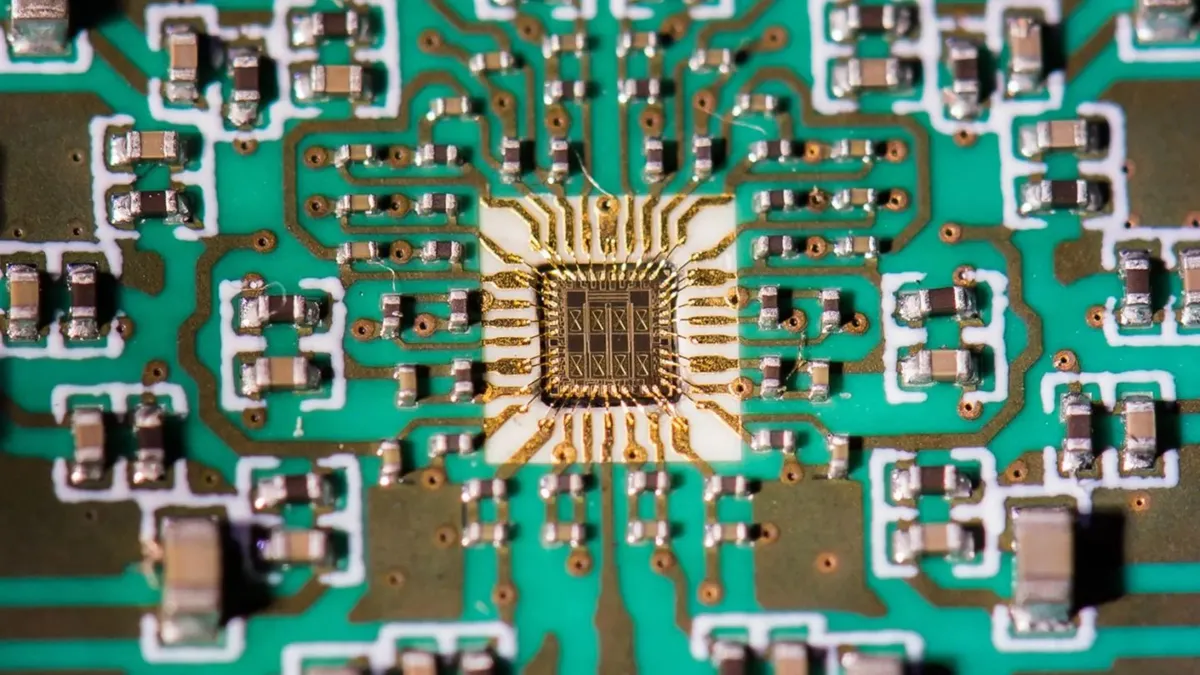
Simply put, the chip can grab very fast-changing signals and turn them into a digital format. This is vital for modern electronics that need to handle huge amounts of data instantly.
We're a new kind of news feed.
Regular news is designed to drain you. We're a non-profit built to restore you. Every story we publish is scored for impact, progress, and hope.
Start Your News DetoxThe team reports the system can process over 500 gigabits per second on one channel. This uses a method called quadrature amplitude modulation. For systems with many channels, the data rate could go beyond 100 terabits per second. This speed is important for long-distance communication networks.
Faster Data, Less Energy
The new chip uses silicon-germanium technology. This allows for faster switching speeds and uses less energy. This combination is crucial for new technologies like 5G and 6G networks, self-driving cars, and high-speed sensors.
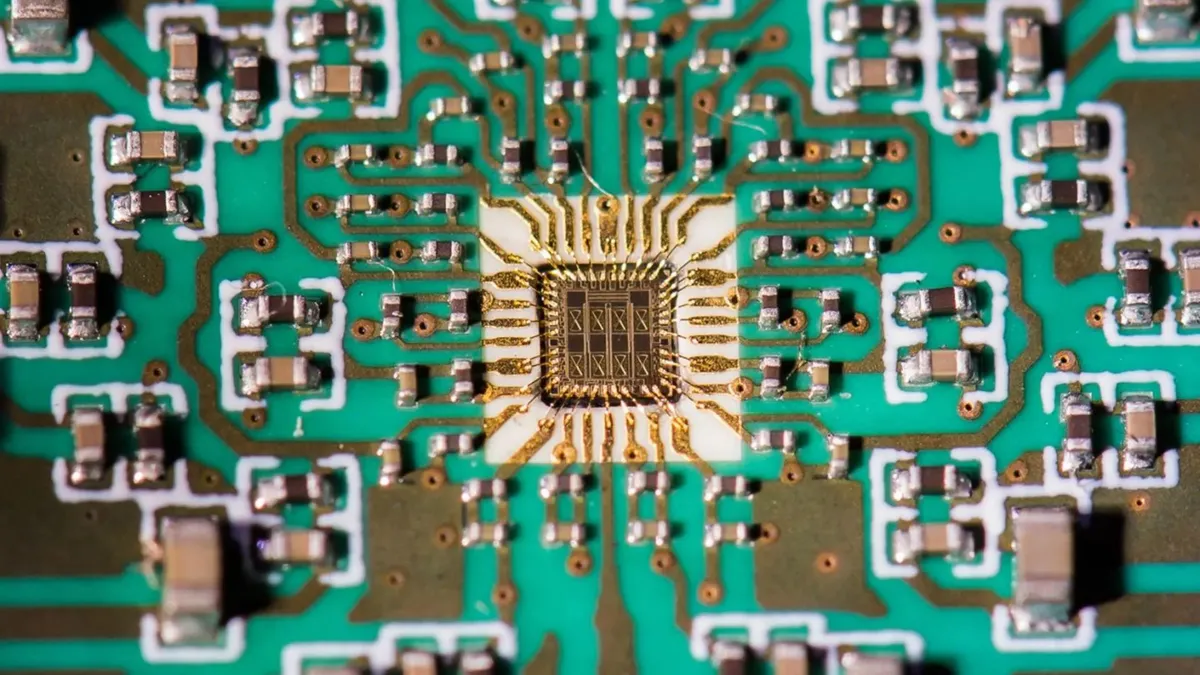
Silicon-based converters already work very fast. However, improving both bandwidth and sampling rate at the same time has been hard. The researchers focused on making both better to improve the system's overall performance.
Maxim Weizel, a research associate on the project, explained that transceivers act as "ambassadors" between analog and digital. They send digital data and receive data from outside.
More bandwidth means more data can be sent faster. This directly helps servers, cloud systems, and data centers. For example, network cards with higher bandwidth can make entire systems much more efficient.
Pushing Measurement Limits
The team also faced challenges in measuring performance at such high frequencies. Even small errors can cause signal problems, making accurate testing difficult.
Weizel noted they worked with extremely high frequencies, which need extreme precision. He added that even tiny errors caused disruptive reflections or "phase noise."
To fix this, the researchers used advanced simulations and powerful computers to check their design. The chip's performance was so strong it pushed existing measurement systems to their limits.
Weizel added that high speed is a competitive advantage, especially with AI. Large datasets and real-time communication need faster processing.
This development also shows how advanced semiconductor materials are pushing computing limits. Silicon-germanium combines silicon's ease of manufacturing with better electronic performance. This makes it good for future chips. As the need for faster data grows, these hybrid materials could be central to future communication and computing systems.
Several institutions worked together on this project. These include RWTH Aachen University, Karlsruhe Institute of Technology, and DESY.
Deep Dive & References: Electronic-Photonic Integrated Systems for Ultrafast Signal Processing - World Scientific, 2023