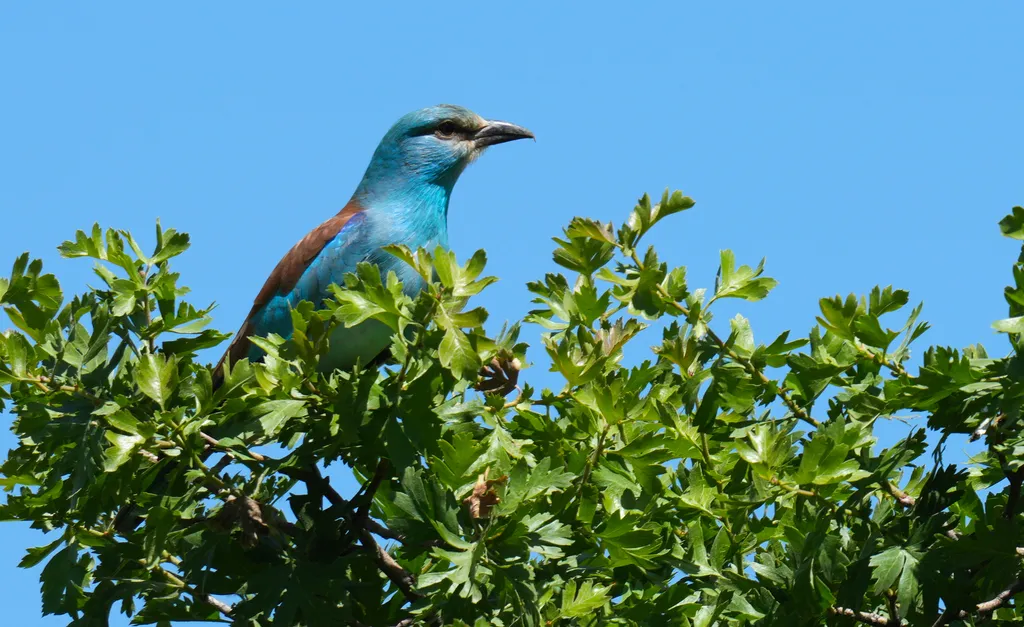
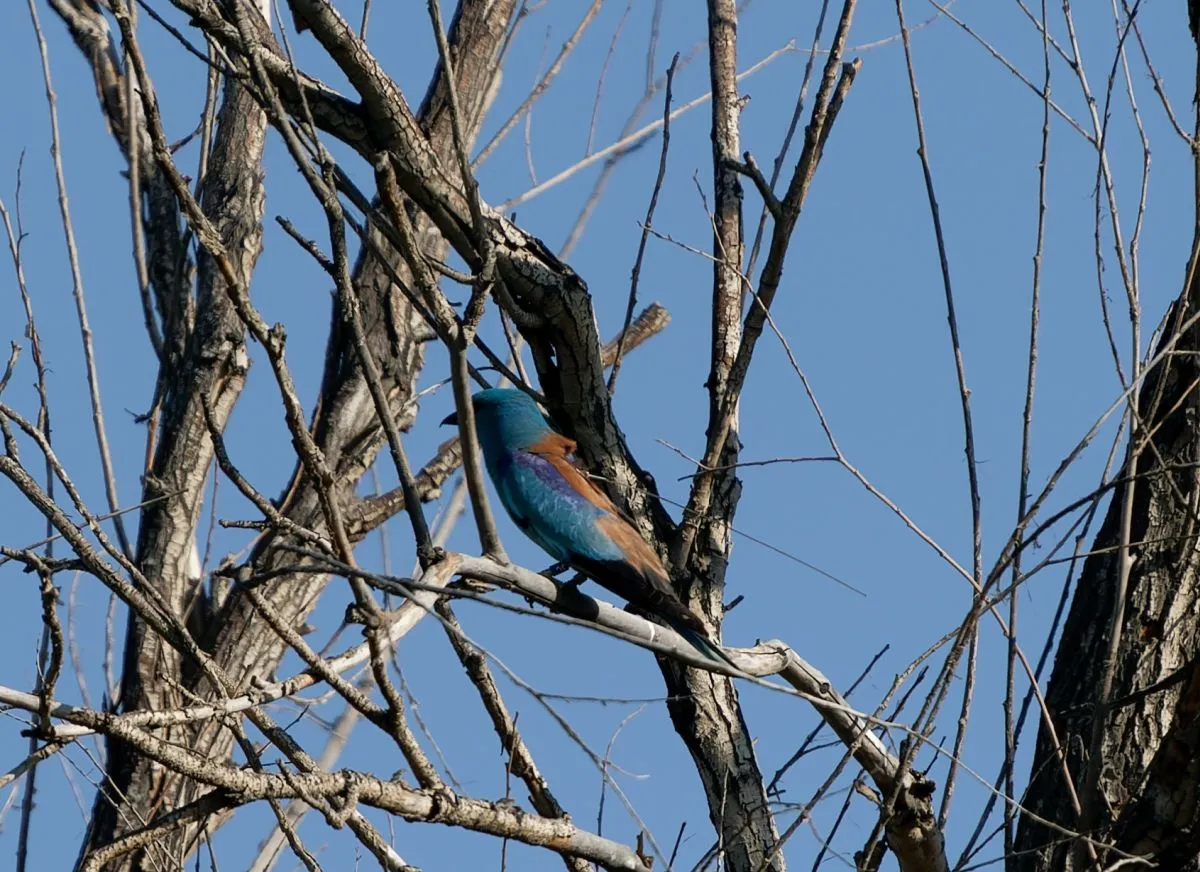
Turns out, even a small, brightly colored bird can be a master networker. Meet the European roller, a charming little feathered friend known for its vibrant blue and brown plumage, and, as we're now discovering, its truly mind-boggling commute.
For years, birdwatchers across Southern and South Africa have known these rollers as winter guests. Specifically, a subspecies called C. g. semenowi would pop by from November to March, then vanish. Where to? No one was entirely sure, though the general consensus was "somewhere in Central Asia," a casual 6,200 miles away. That's like flying from New York to Beijing, if Beijing were also your summer home.
The Great Roller Reveal
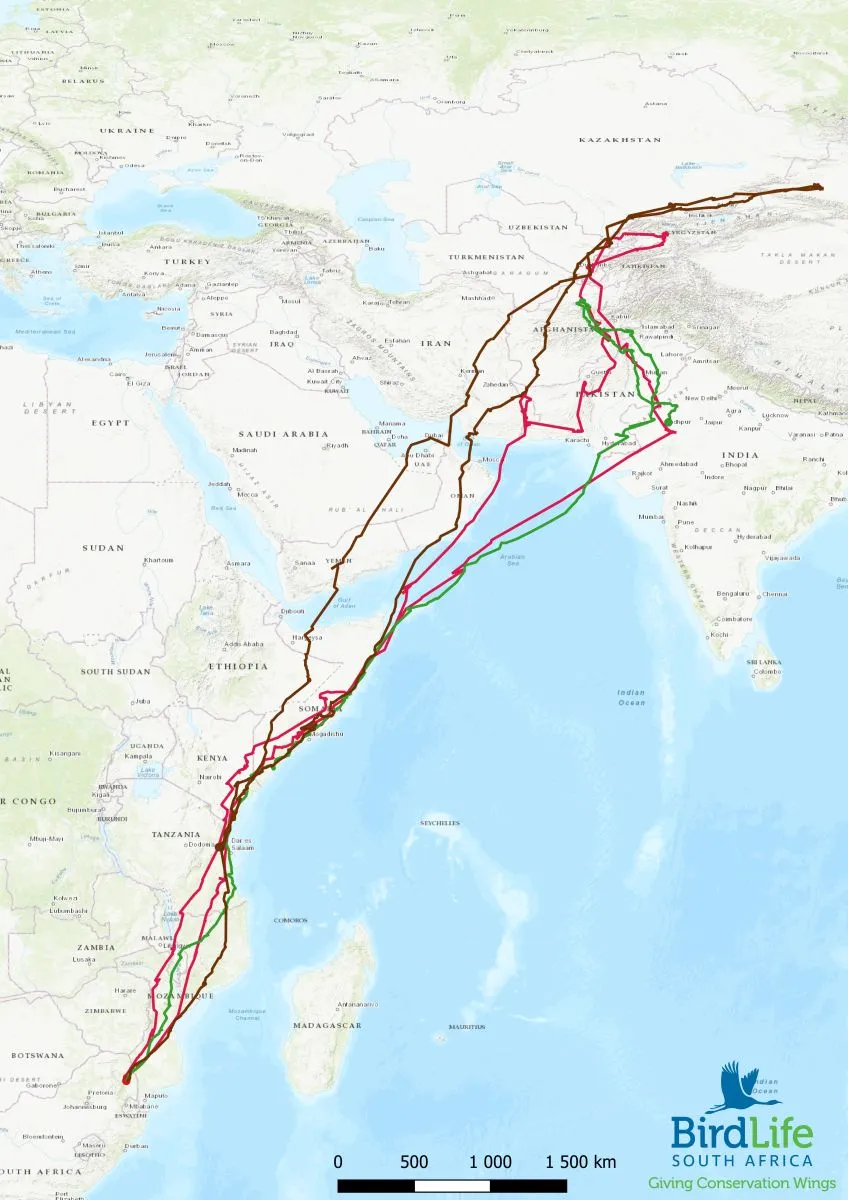
Enter the scientists at BirdLife South Africa. In 2024, they decided to get some answers, strapping tiny, 0.1-ounce trackers (lighter than a few paper clips) onto seven unsuspecting rollers. The goal: map their exact routes and stopovers on this epic journey.
We're a new kind of news feed.
Regular news is designed to drain you. We're a non-profit built to restore you. Every story we publish is scored for impact, progress, and hope.
Start Your News DetoxThe results were immediate, and frankly, a bit of a flex. These rollers weren't just going to Central Asia; they were taking the scenic route. Their flight path zigzagged north through Tanzania and Kenya, made a pit stop in Somalia (because why not?), then hopped across to Central Asia via Oman and India. One particularly ambitious bird decided to push the envelope all the way to China. Two others settled for Uzbekistan. Because apparently, that's where we are now: tracking individual birds across three continents with a device the size of a tic-tac.
But here's the kicker: tracking just these seven birds for a single year didn't just give us flight data. It sparked connections. BirdLife SA's tiny European Roller Monitoring Project is now chatting with bird clubs in Gujarat, India, and a Chinese researcher who studies rollers in Xinjiang. All because a few little birds decided to go on a very long vacation.
It’s a reminder that sometimes, the smallest creatures can build the biggest bridges. And all it took was a few dedicated scientists, some individual donors for those tiny trackers, and a whole lot of bird mileage.