Rare Fishing Cat Spotted in Cambodia
Fishing cats are unique predators found in the swamps and marshes of South and Southeast Asia. These cats are about twice the size of a housecat. They have dense, waterproof fur and partially webbed toes, making them excellent swimmers. They hunt fish, frogs, and other small animals, helping to keep the local ecosystem balanced.
Despite their importance, fishing cats have become very rare. Conservation International estimates fewer than 10,000 remain in the wild. The species is so elusive it's often considered "mythical." However, a trail camera in Pursat, Cambodia, recently captured footage of an adult fishing cat near Tonlé Sap, Southeast Asia’s largest freshwater lake.
Wetlands Restoration Brings Wildlife Back
Sony Oum, who leads Conservation International's work in Cambodia, called the sighting a "thrilling discovery." He noted it shows more than just the fishing cat's return. It highlights the community's hard work to restore their wetlands.
We're a new kind of news feed.
Regular news is designed to drain you. We're a non-profit built to restore you. Every story we publish is scored for impact, progress, and hope.
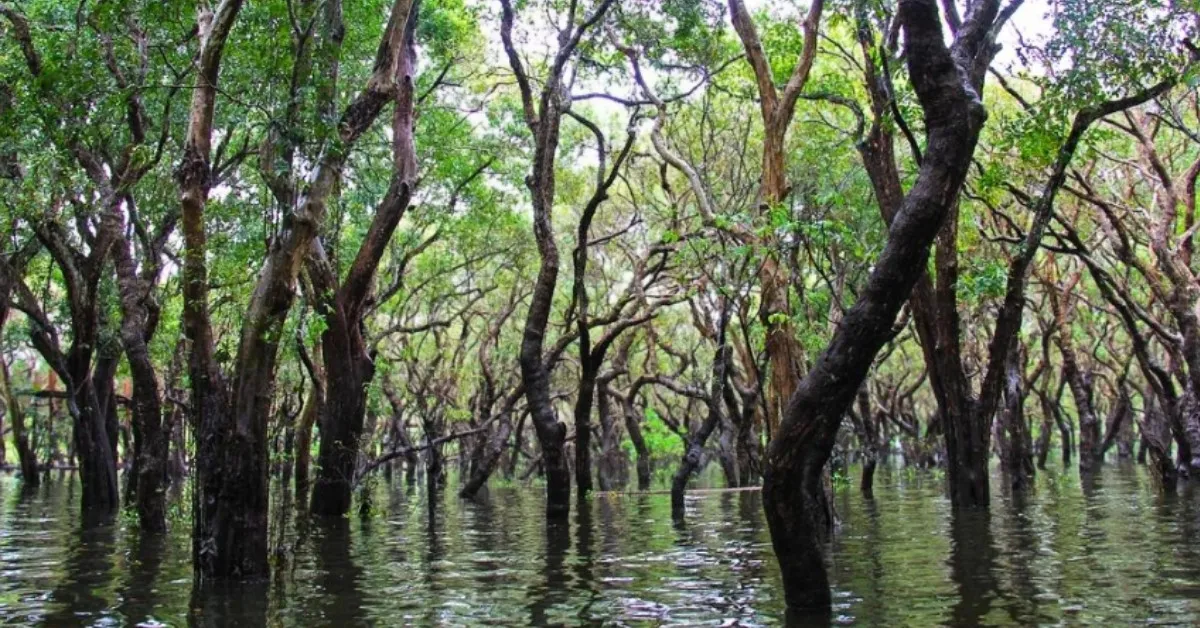
Start Your News DetoxFor 15 years, Conservation International has worked with the Royal Government of Cambodia and 16 local fishing communities. They have been restoring the Tonlé Sap. This effort includes removing invasive species like non-native mussels and water hyacinth. They also prevent pollution and overfishing. This partnership has led to 2,470 acres of forest growth. It has also brought back elusive wild cats like the fishing cat.
Oum explained that the cat's return suggests several positive changes. Fish are now abundant enough to support hunters. The flooded forests have regained the underbrush predators need for hiding. This indicates the wetlands are recovering.
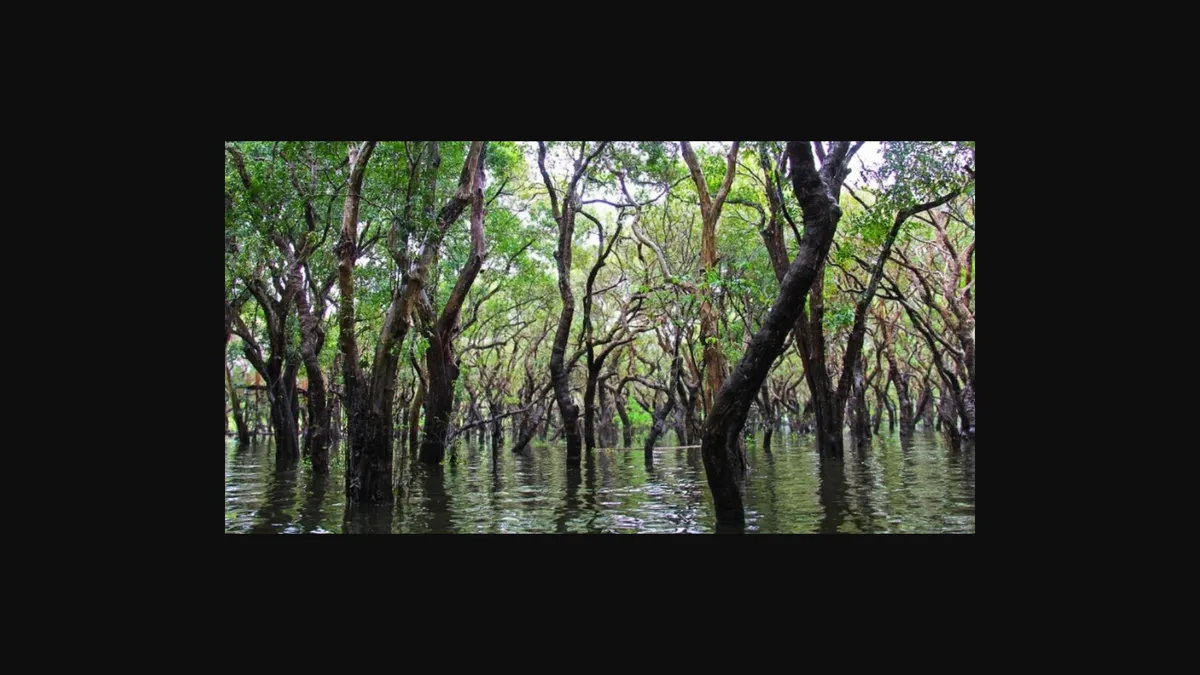
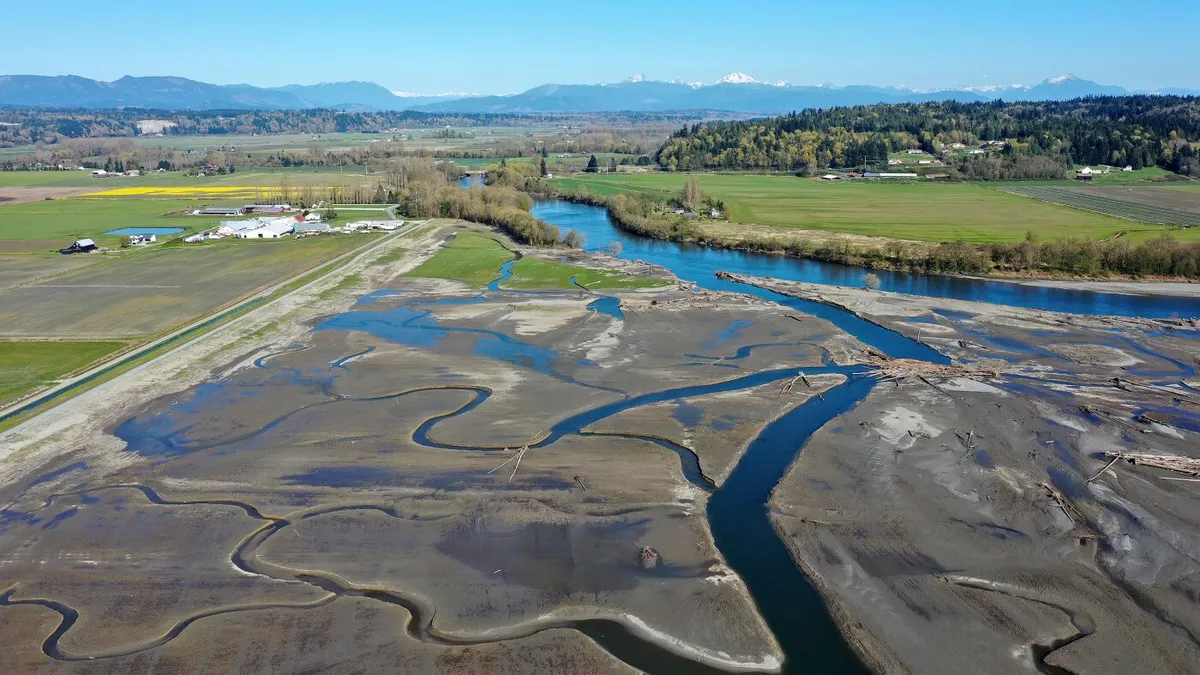
The work at Tonlé Sap benefits more than just one species. The lake is home to over 300 types of fish, 200 bird species, 40 reptile and amphibian species, and 50 mammal species. About 1.5 million local people also rely on the lake's forests for freshwater, food, and wood.
Oum noted that the flooded forests faced destruction not long ago. Today, restored swamp forests are bringing native wildlife home. This includes otters, birds, and the mysterious fishing cat.