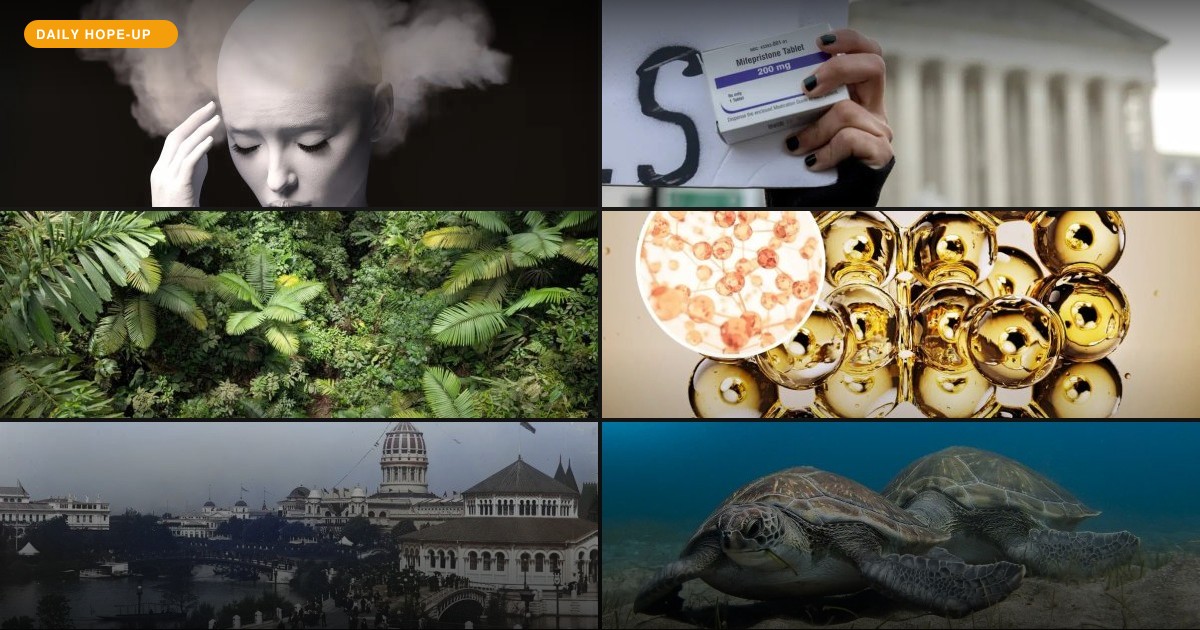
Today, it seems the world decided to take a deep breath and listen. Whether it was to the whispers of a forest, the quiet hum of a laboratory, or the distant echoes of human ambition, a theme emerged: sometimes, the most effective solutions aren't found in grand gestures, but in careful attention.
The Quiet Power of Listening
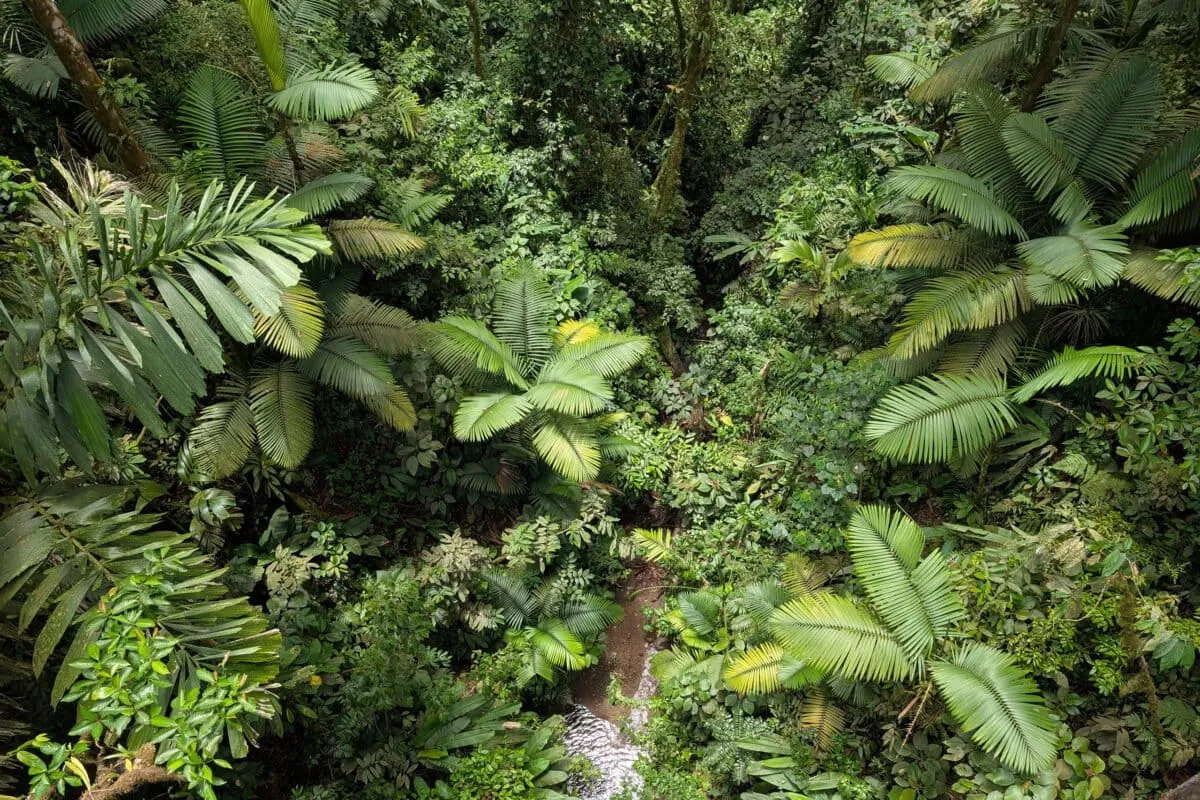
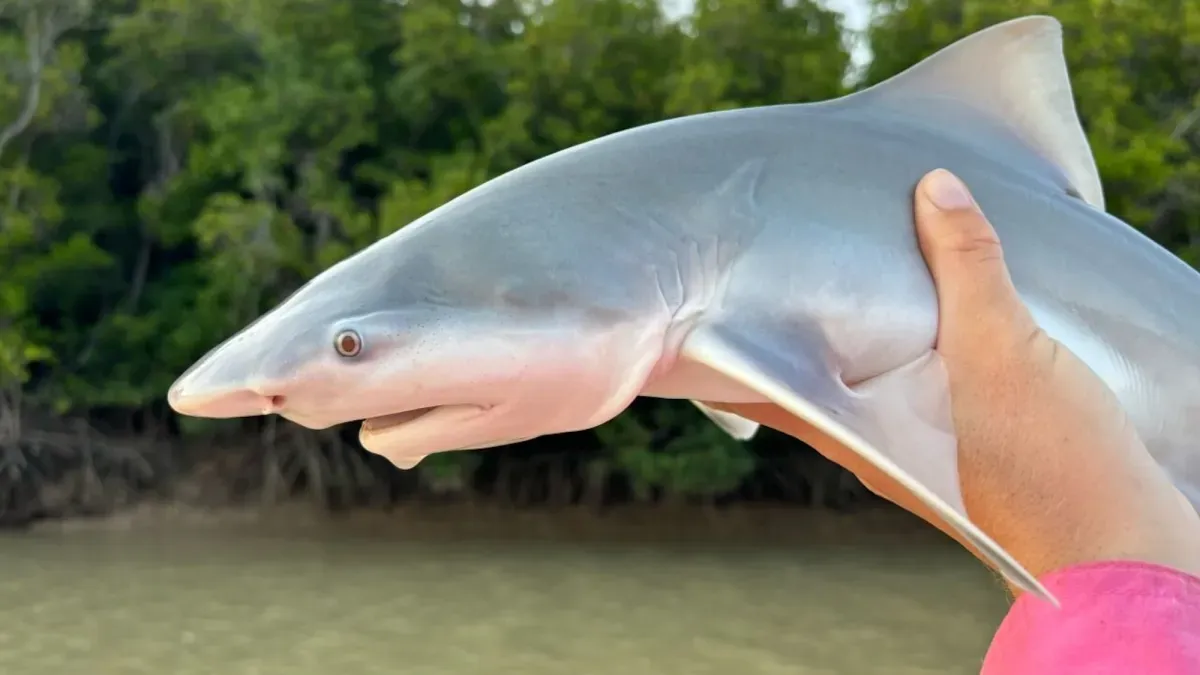
In Costa Rica, scientists aren't just looking at the trees; they're listening to the forests to gauge their health. Using sound to assess ecological well-being might sound like a new-age approach, but it's proving to be a robust method for monitoring the country's payment for ecosystem services program. Meanwhile, on the other side of the planet, researchers in Australia are using shark lasers to gather more accurate data on vulnerable species. It's less a Bond villain scenario and more a precise, technological ear tuned to the ocean's most elusive residents. This isn't just about collecting data; it's about understanding complex systems through unobtrusive, intelligent observation. If you've ever felt overwhelmed by the scale of environmental challenges, this week offers a reminder that sometimes, the most powerful tool is simply paying closer attention.
"How we feed the future is a critical challenge of our time. Yet too often, the focus remains on land, forgetting that the ocean is already a vital source of nutrition for billions of people." — Read the full story
Wait—What is Brightcast?We're a new kind of news feed.
Regular news is designed to drain you. We're a non-profit built to restore you. Every story we publish is scored for impact, progress, and hope.
Start Your News Detox
The Wisdom of Slowing Down
Sometimes, the fastest way to get where you're going is to take your time. Japanese scientists discovered the secret to faster chemistry: just slow down. By carefully tuning molecular flow in nanoreactors, they're achieving better catalytic performance, overturning the conventional wisdom that unhindered access is best. This counter-intuitive approach echoes a wisdom that's been around for centuries, if not millennia. In Nepal's plains, farmers are still using ancient earthen grain bins to outsmart climate change. These handmade pots, passed down through generations, keep grain safe from extreme heat and insect infestation, proving that sometimes, the most advanced solutions are the ones that have stood the test of time. If you've been feeling the pressure to constantly accelerate, remember that deliberate, thoughtful pacing can often yield superior results.
The Unsung Heroes of the Water
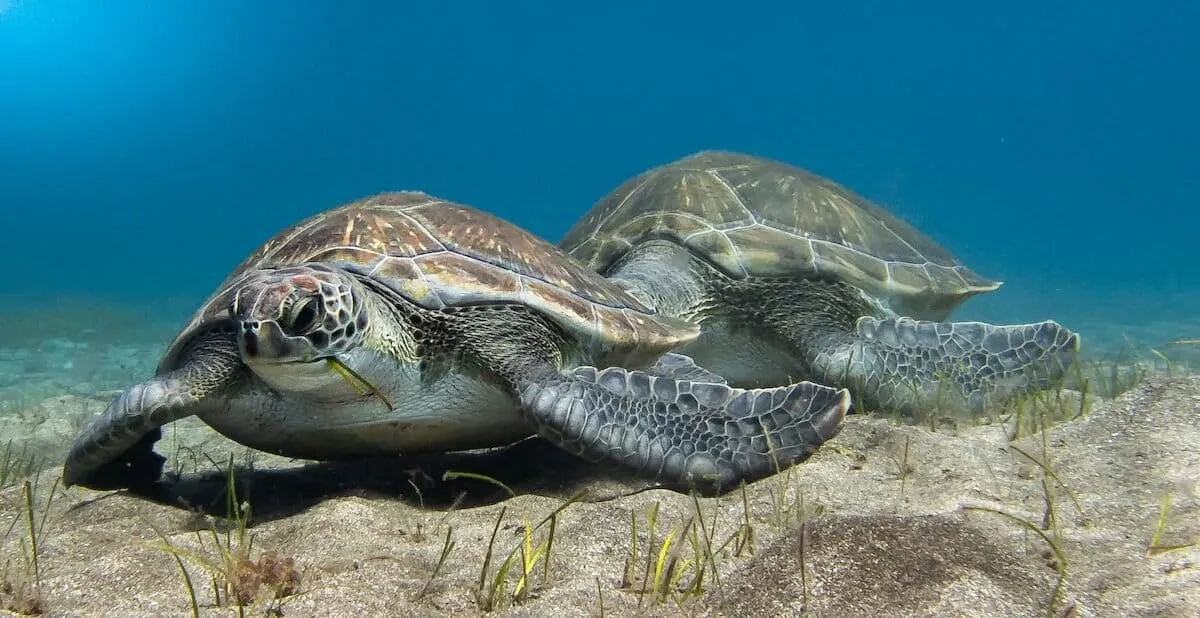
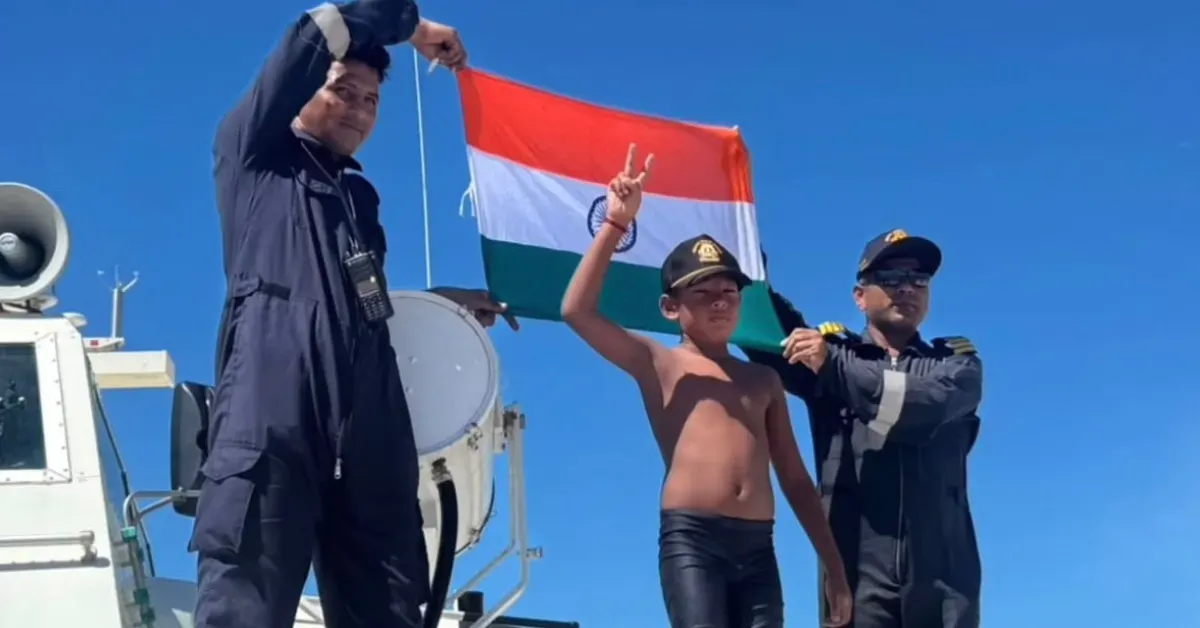
While we're all busy on land, the ocean had a pretty good day. Ghana just made a bold move, creating its first ocean reserve. At the size of New York City, this isn't a small gesture; it's a significant commitment to securing its future food sources and biodiversity. And speaking of big commitments, a 7-year-old from Ranchi, India, Ishank Singh, became the youngest person to swim from Sri Lanka to India in under 10 hours. This isn't just a record; it's a testament to human resilience and the boundless spirit that pushes us to explore and protect the vastness of our world. If you needed a reminder that individual actions can create ripples of impact, look no further than these stories of determination and foresight.
Hope stat: 60% — of the world's marine ecosystems are under pressure, making Ghana's new reserve a vital step in reversing the trend.
Watch this space: The growing trend of nations recognizing the economic and ecological value of protecting their marine resources.