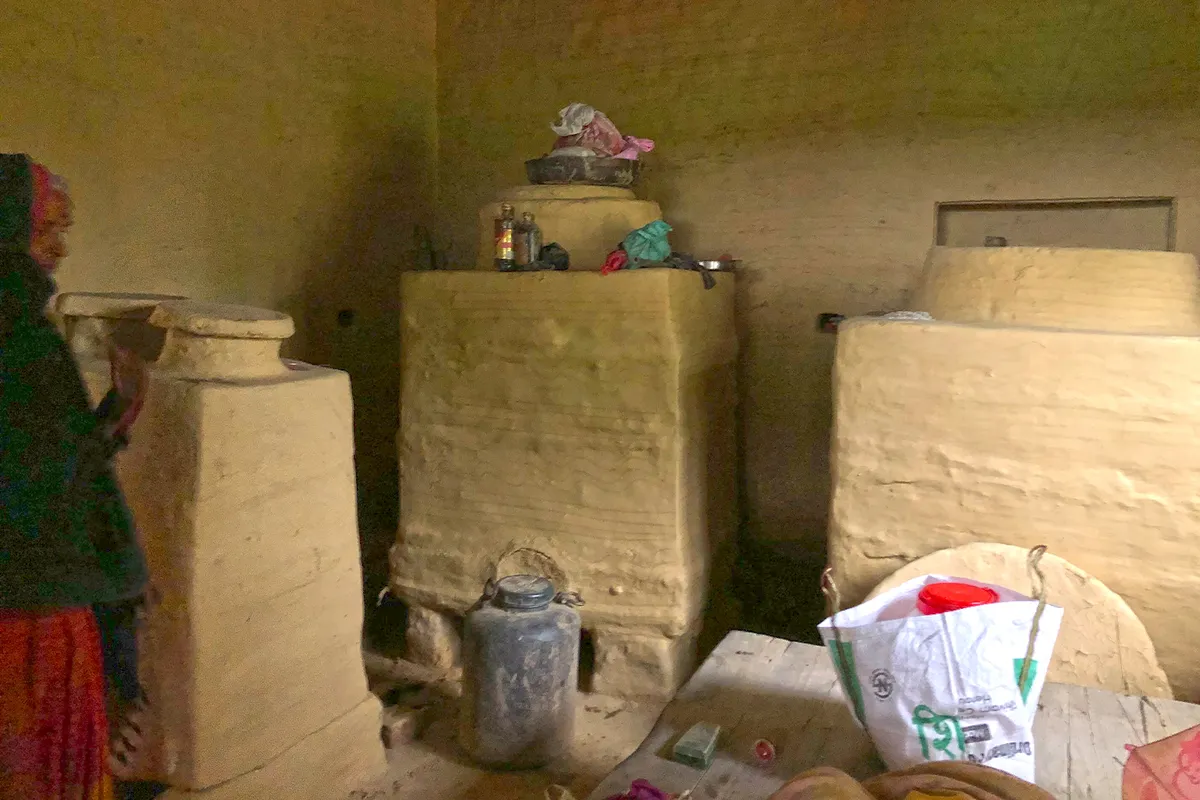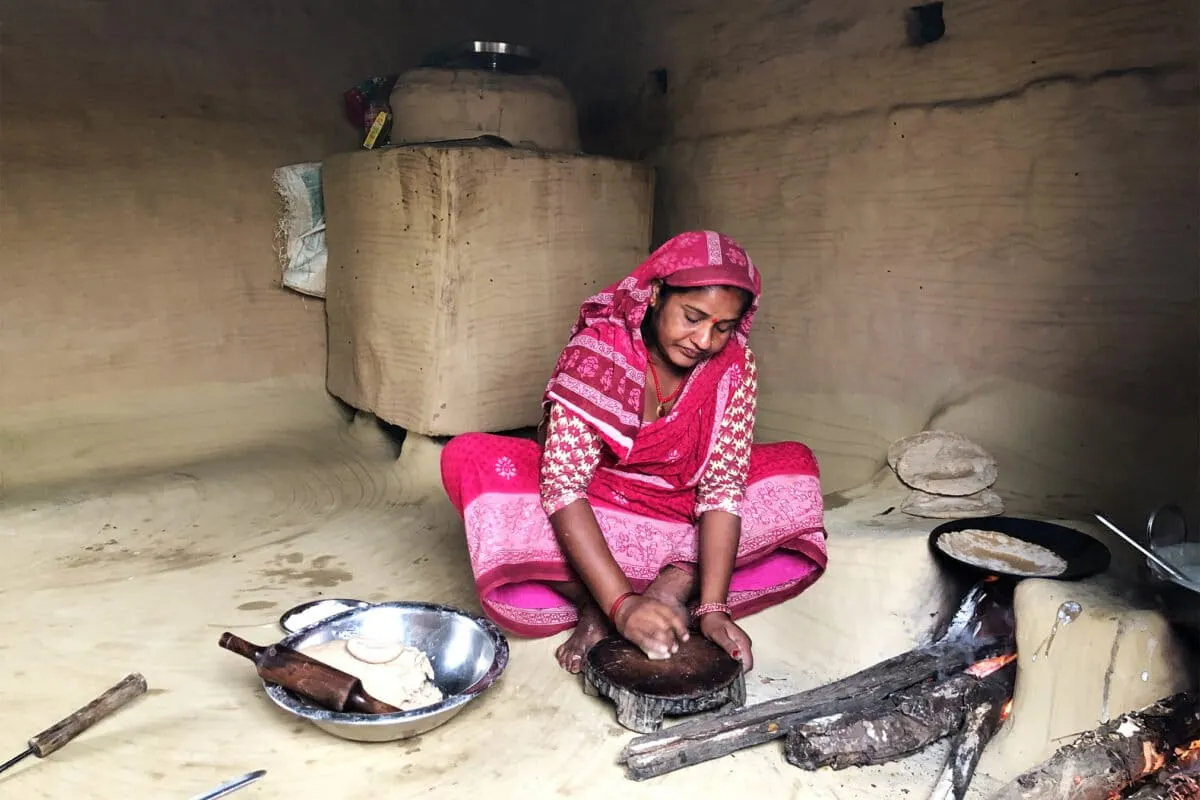
As Nepal’s summer heat cranks up, most farmers are doing the annual will-my-grain-survive-this? dance. But not Chattrapati Yadav. In the western plains of Dang, this 70-year-old has a secret weapon: giant, handmade earthen pots that have been keeping food safe for generations. And they’re still going strong.
Yadav learned the craft from her mother, then passed it down to her own daughters and granddaughters. She points to a cylindrical vessel, then a rectangular one, dryly noting, “My granddaughter made this one, and that one was made by my mother-in-law.” Talk about family heirlooms.

These traditional seed storage bins, known as dehari, are a staple in Indigenous communities like the Tharu and Yadav across Nepal’s Terai region. This isn't just old-school tech; it's ancestral craftsmanship refined over centuries. And here’s the kicker: they’re still incredibly effective, even as climate change throws curveballs like extreme heat and unexpected floods.
We're a new kind of news feed.
Regular news is designed to drain you. We're a non-profit built to restore you. Every story we publish is scored for impact, progress, and hope.
Start Your News DetoxTurns out, the best solutions are often the simplest. Yadav explains that they use only local materials: mud, rice husk, and a bit of dung. “We don’t use anything that isn’t available here,” she says. Because apparently, the perfect climate-controlled storage unit doesn't need a single microchip.
It takes about a week to construct a dehari and a month for it to properly dry. Once complete, if kept dry, these bins can outlast the person who made them. Which, if you think about it, is both impressive and slightly terrifying for anyone who's ever had a plastic storage container crack after a year. Take that, Tupperware.