Black gram, or urad, isn't just a pantry staple in India – it's a quiet powerhouse. This protein-packed pulse crop not only makes its way into everything from dal to dosa but also moonlights as a soil fertility improver. Basically, it's the overachiever of the legume world. And with the right moves, even small-scale farmers can turn a tidy profit while giving their land a little love.
The Dirt on Getting it Right
First up: timing is everything. Black gram typically prefers the monsoon season, making it a kharif crop. But if you've got irrigation, summer works too. Just don't drown it – black gram is apparently not a fan of soggy feet, which can stop seeds from sprouting altogether. So, no planting in what looks like a rice paddy, unless you're actually growing rice.
Ideal real estate for this crop? Well-drained sandy loam or loamy soil. If you're stuck with heavy clay, make sure it drains like a champion. Farmers usually give the field a good two or three plows, aiming for a perfectly fine, level seedbed. This VIP treatment helps seeds sprout beautifully and roots dig in deep. A little well-rotted farmyard manure doesn't hurt either; think of it as a five-star meal for the soil.
We're a new kind of news feed.
Regular news is designed to drain you. We're a non-profit built to restore you. Every story we publish is scored for impact, progress, and hope.
Start Your News DetoxNext, the genetic lottery. High-quality, certified seeds are non-negotiable. We're talking about disease-free, uniform seeds from varieties known to thrive in your specific region. And before they even hit the dirt, these seeds get a special spa treatment: a dip in rhizobium culture or biofertilizer. This helps the plants naturally become nitrogen-fixing superheroes, boosting growth without a ton of chemical intervention.
Seeds go into the prepared field, not too deep, and with enough elbow room. Proper spacing isn't just polite; it's essential for sunlight, air circulation, and keeping pests and diseases from throwing a party. Around 30 centimeters between rows is a common sweet spot in India, giving each plant its moment in the sun.
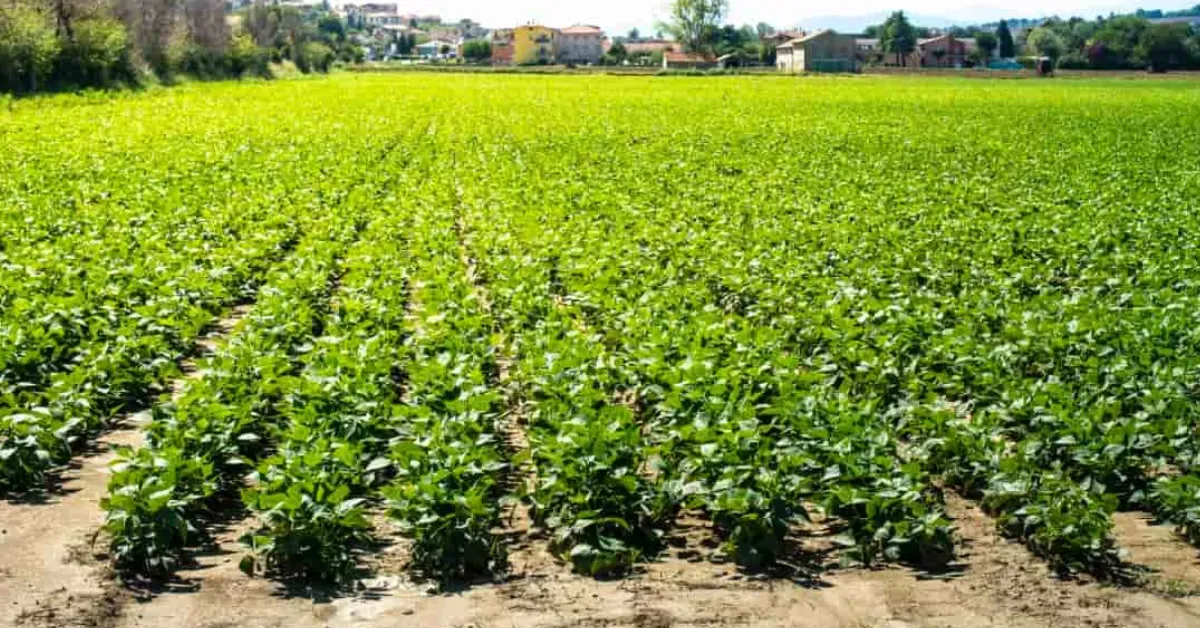
Black gram is surprisingly low-maintenance when it comes to water. It's more of a 'less is more' kind of plant, as too much H2O can actually harm its roots. Light irrigation during dry spells is key, especially when the plants are flowering and forming pods. Stress them out then, and your yield will feel it.
Weeds are the ultimate party crashers, hogging nutrients, water, and sunlight. The first weeding usually happens two to three weeks after planting, with a potential encore two weeks later. Manual weeding or a bit of shallow tilling usually does the trick, keeping the field pristine.
As for the usual suspects in the pest department – aphids, whiteflies, and pod borers – regular field checks are your best defense. Eco-friendly options like neem-based sprays are the go-to for keeping the creepy crawlies in check. Plus, rotating crops and keeping the field tidy are like a secret handshake for healthier plants.
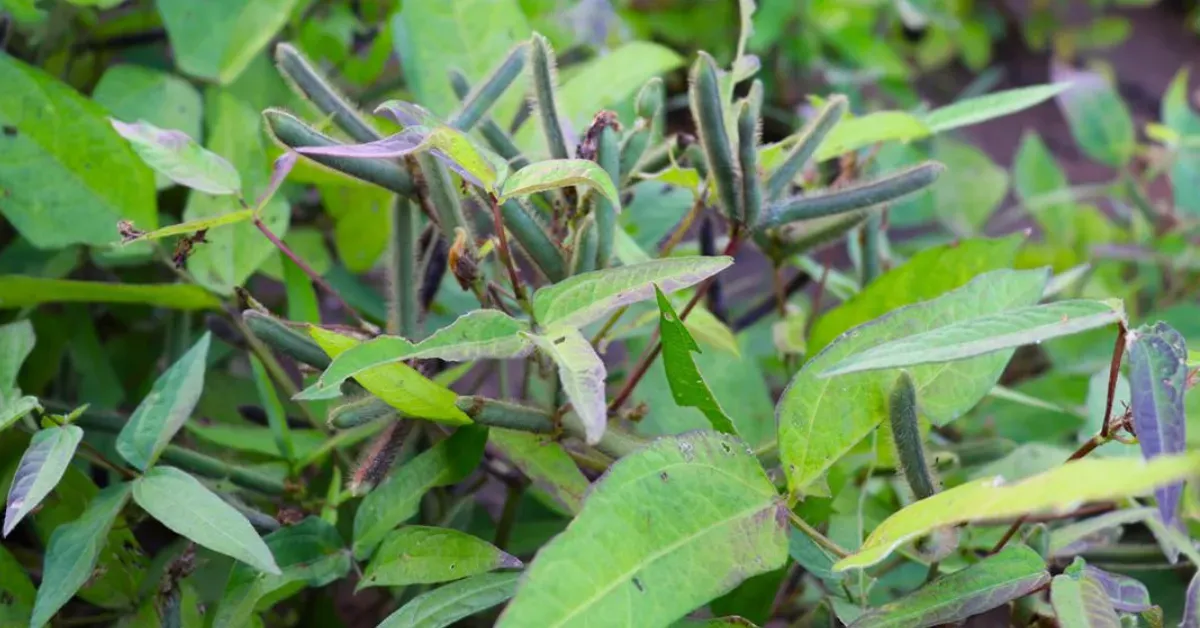
When the plants are busy flowering and developing pods, they need a balanced diet and consistent moisture. Any hiccups here directly impact the final harvest. Sometimes, a foliar spray of micronutrients can give them that extra push, ensuring a bountiful pod set.
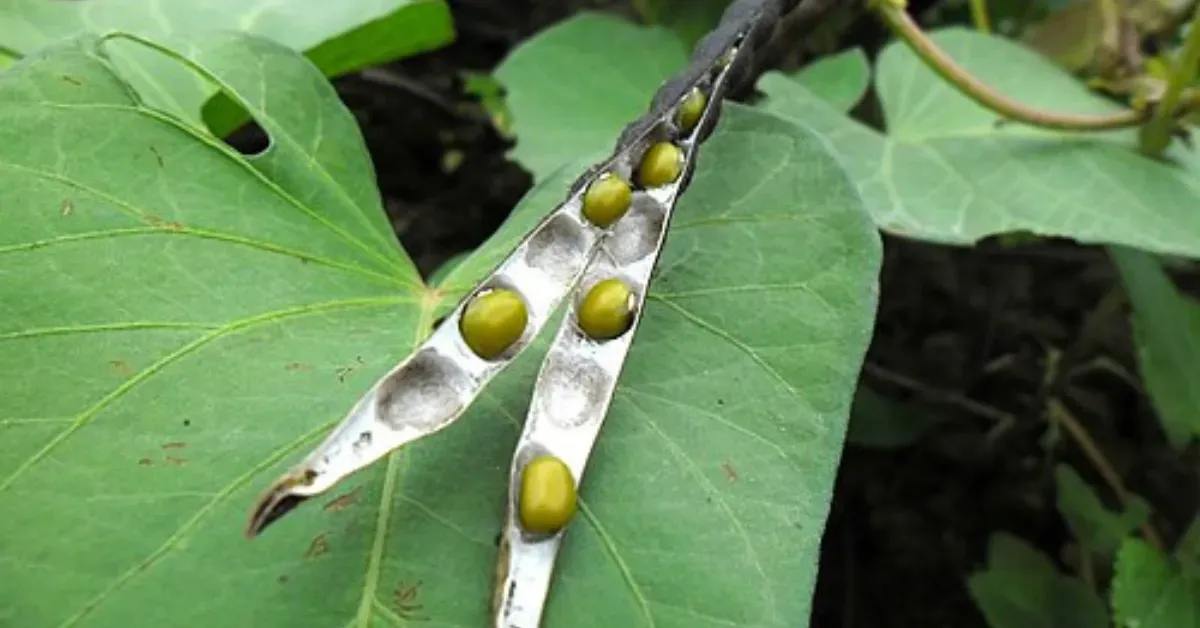
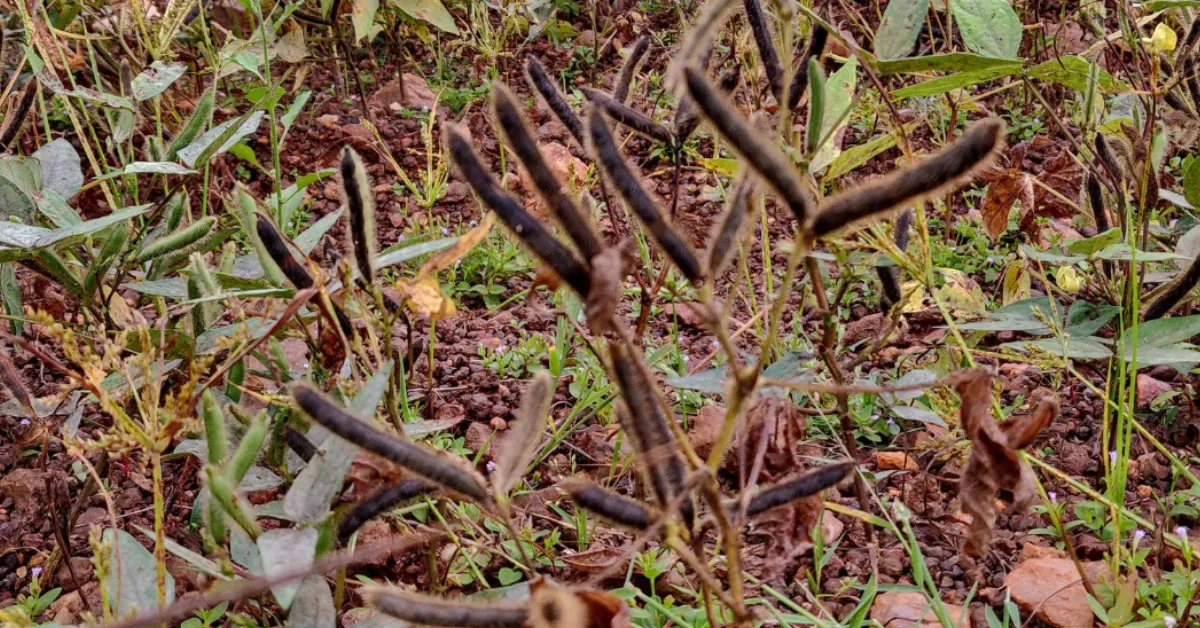
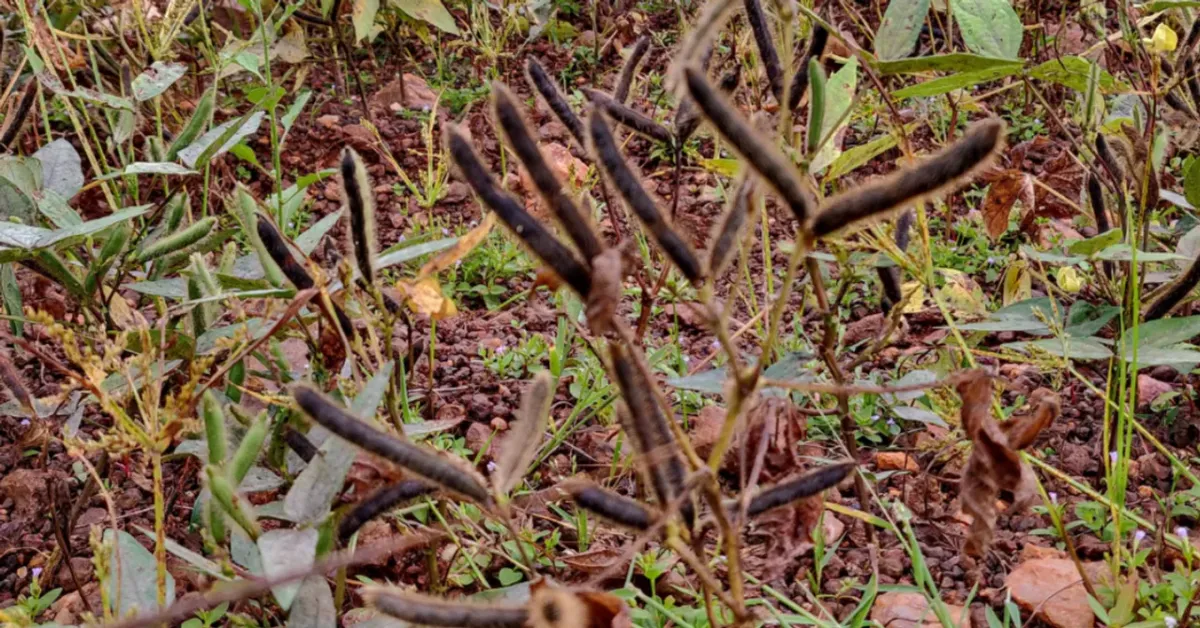
Finally, harvest time. You'll know it's ready when most of the pods have turned black and dried up. Don't drag your feet, though; waiting too long can lead to shattering pods and lost seeds. The plants get cut at the base, sun-dried, and then threshed. Proper drying is crucial for keeping the seeds happy and extending their shelf life.
Once threshed and cleaned, these precious grains need a cool, dry place to chill. Airtight containers or traditional storage methods keep them safe from moisture and pests, ensuring they're good for both eating and future planting. Because who doesn't love a crop that keeps on giving?
So, black gram farming: not just simple, but potentially quite rewarding. Every single step, from the first plow to the final storage, plays a part in a successful yield. Pay attention, time things right, and you're not just growing food; you're also growing a healthier planet. And that, if you ask us, is a win-win-win.