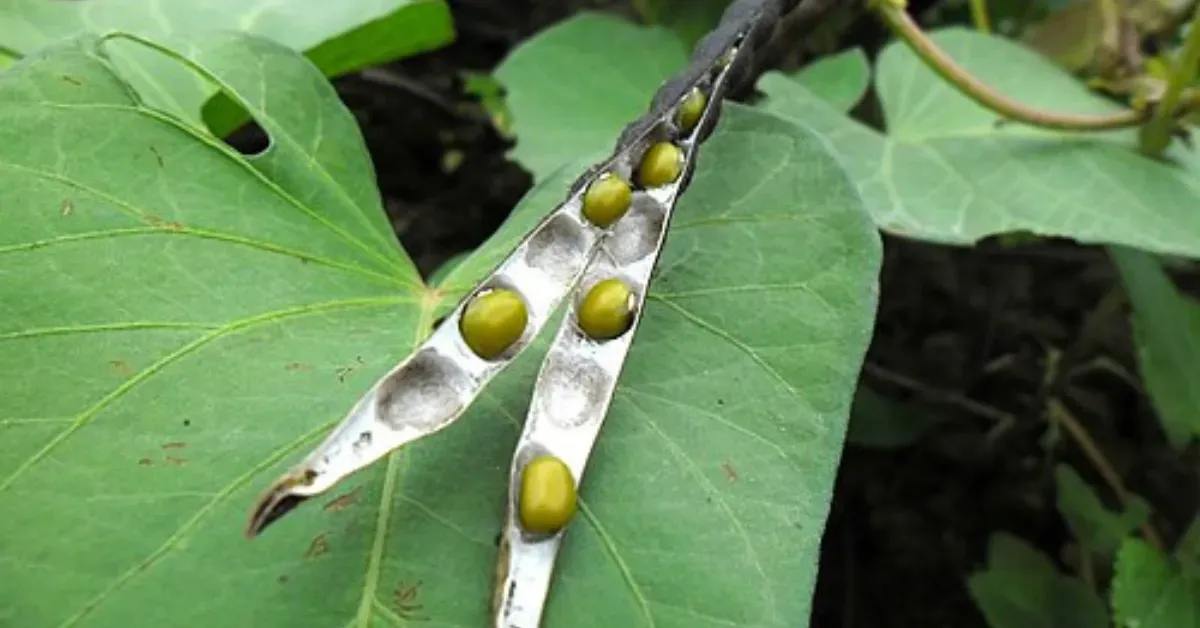
Summer usually means a battle against the elements for most plants, a desperate scramble for shade and moisture. But then there's moong dal, the unassuming hero of the scorching season. It practically sips water and rockets from seed to snack in a blink, making it less a crop and more a low-maintenance, soil-enriching marvel.
Basically, it's the chill friend who actually enjoys the blistering heat, delivers a solid harvest, and improves your life in the process. All in just a couple of months.
Planting for Peak Performance
If you're thinking of getting into the moong game, timing is everything. Experts suggest waiting until the mercury consistently hovers between a balmy 25°C and 35°C during the day. Think early to mid-summer for most regions – that's your sweet spot.
We're a new kind of news feed.
Regular news is designed to drain you. We're a non-profit built to restore you. Every story we publish is scored for impact, progress, and hope.
Start Your News DetoxPick a patch that's a sun worshipper, getting at least five to six hours of direct rays daily. And drainage? Absolutely crucial. Moong dal hates wet feet more than you hate your phone dying mid-scroll. Avoid any spots that turn into impromptu puddles after a rain shower.
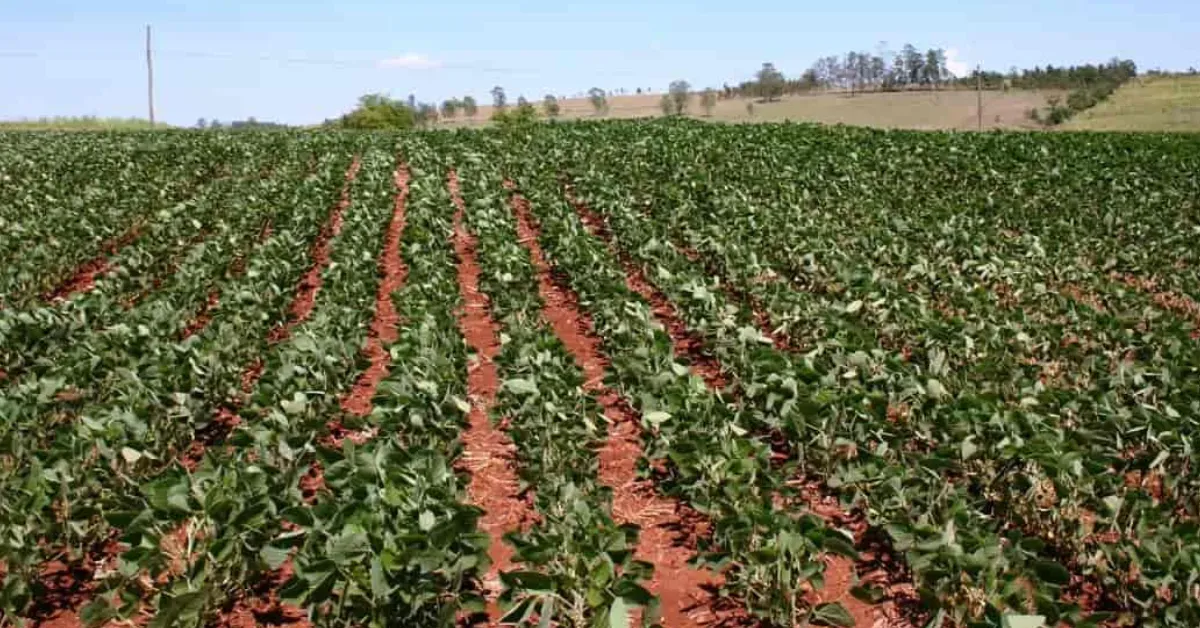
Before you even think about seeds, grab a spade. Dig or till the soil a good 15 to 20 cm deep; this gives those roots room to stretch out like they're on vacation. Clear out any pesky weeds, stones, or the ghostly remains of last season's crops. Then, a modest helping of compost or well-rotted manure will do wonders. Resist the urge to go wild with nitrogen fertilizer – this clever bean actually makes its own. The goal here is light, crumbly soil that lets water pass through like a polite guest.
The Low-Maintenance Life of a Moong Bean
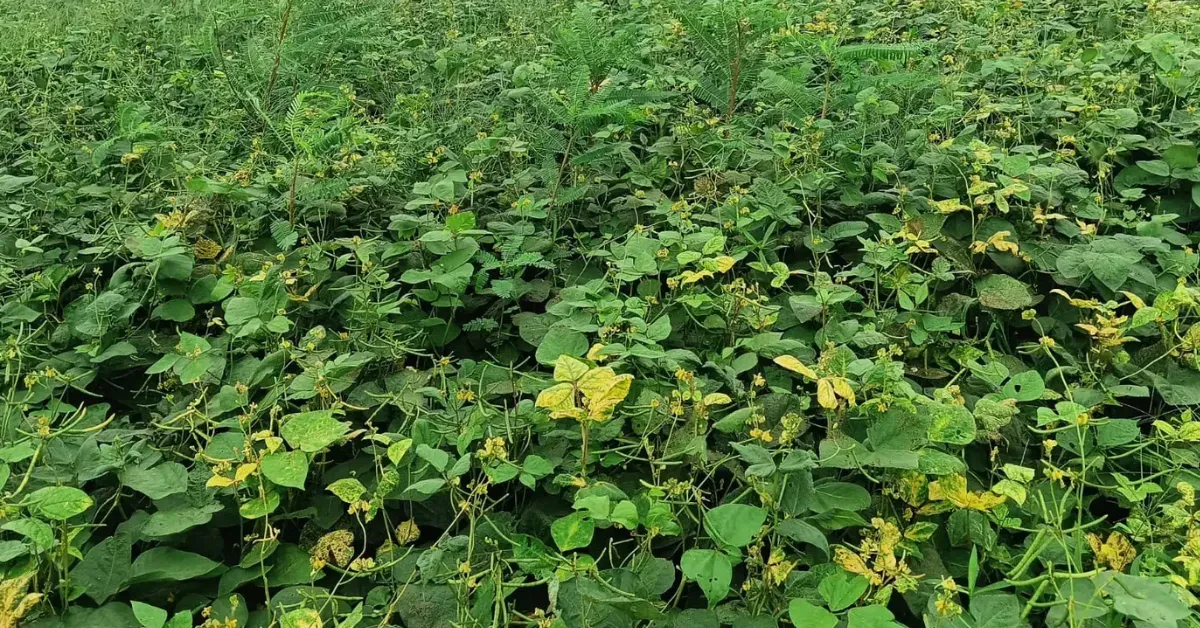
Forget the fuss of transplanting; moong dal prefers to go straight into the ground. Pop those seeds about two to three centimeters deep, giving each plant 10 to 15 cm of personal space, and rows a comfortable 25 to 30 cm apart. A light watering after covering them up is all it takes. Then, sit back and watch the magic: sprouts typically pop up within four to seven days.
This is where moong dal truly shines: it's a water minimalist. Compared to most crops, it needs shockingly little. Think once every three to four days in dry spells, but always check the soil first. If it's still a bit damp, hold off. Even better, reduce watering when the flowers bloom and the pods start forming. Overwatering is the express lane to root rot and a disappointing pod count.
And weeds? Only a concern for the first couple of weeks. A round or two of manual weeding early on is usually enough. Once these plants spread their leaves, they're like tiny, green bouncers, naturally suppressing most unwanted guests. Healthy plants will start flaunting their flowers in about 30 to 40 days, with pods following shortly after.
The Grand Finale: Harvest
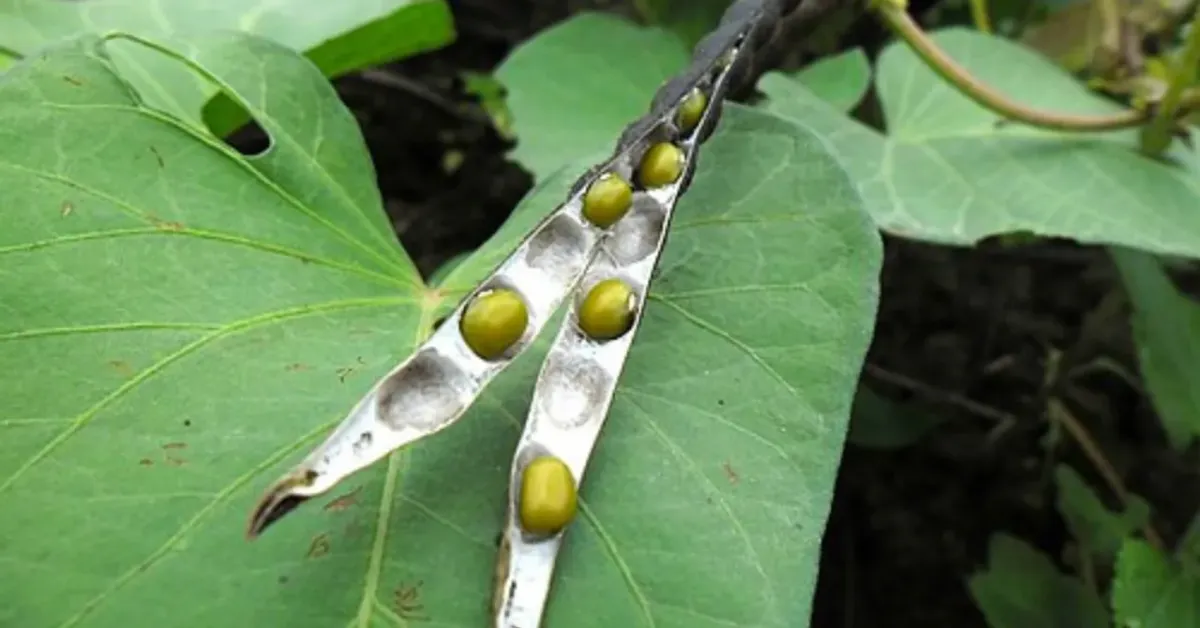
In a speedy 60 to 70 days, your moong dal is ready for its close-up. You'll know it's time when most of the pods on the plant have turned a satisfying shade of brown and look nice and dry. You can either pick the pods individually or, for the truly efficient, uproot the entire plant. After harvesting, give them a sunbath for two to three days to fully dry out. Then, it's threshing or shelling time to get to those precious beans. Timing is key here – wait too long, and the pods might split, scattering your hard-earned harvest.
So there you have it: a practical, low-fuss summer crop that not only gives you a tasty yield but also leaves your soil healthier than it found it. Because who doesn't love a multi-tasker that thrives under pressure?