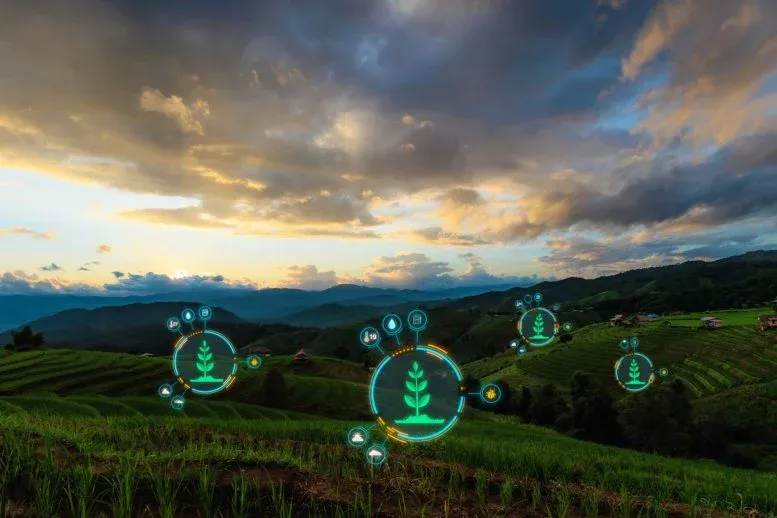
Imagine your farm, but it's also a highly advanced data center. That's precision agriculture in a nutshell: farming supercharged by GPS, sensors, drones, and even a little AI. The goal? To give every plant, every inch of soil, exactly what it needs, when it needs it. Because apparently, we've decided farming should be as precise as a Swiss watch.
This isn't about guesswork anymore. Farmers are getting real-time intel on soil quality, crop health, pest invasions, and even the temperature fluctuations across their fields. Armed with this data, they can deploy water, fertilizer, and pesticides with surgical accuracy. The payoff? Less waste, bigger yields, and a fatter bottom line. Which, if you think about it, is both impressive and slightly terrifying.
The Tech That Makes Dirt Smart
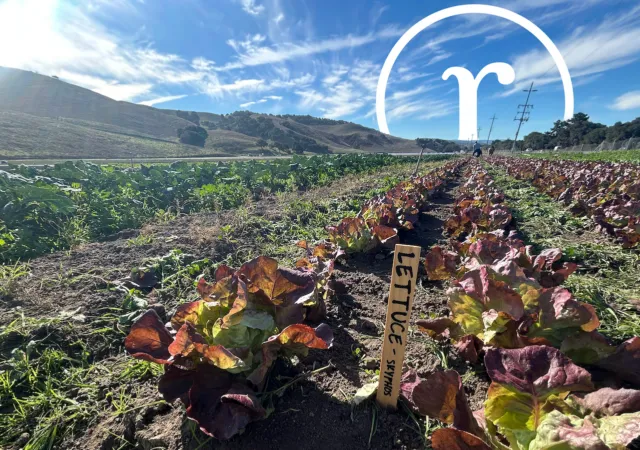
These high-tech tools can work solo or as a formidable team. Take GPS-guided tractors, for instance. They're not just driving in straight lines; they're ensuring every drop of herbicide hits its mark, no overlaps, no missed patches. Then there are yield monitoring systems, gobbling up data from farm equipment and GPS to inform critical decisions: when to plant, when to fertilize, when to harvest. It’s like having a hyper-efficient farm manager who never sleeps.
We're a new kind of news feed.
Regular news is designed to drain you. We're a non-profit built to restore you. Every story we publish is scored for impact, progress, and hope.
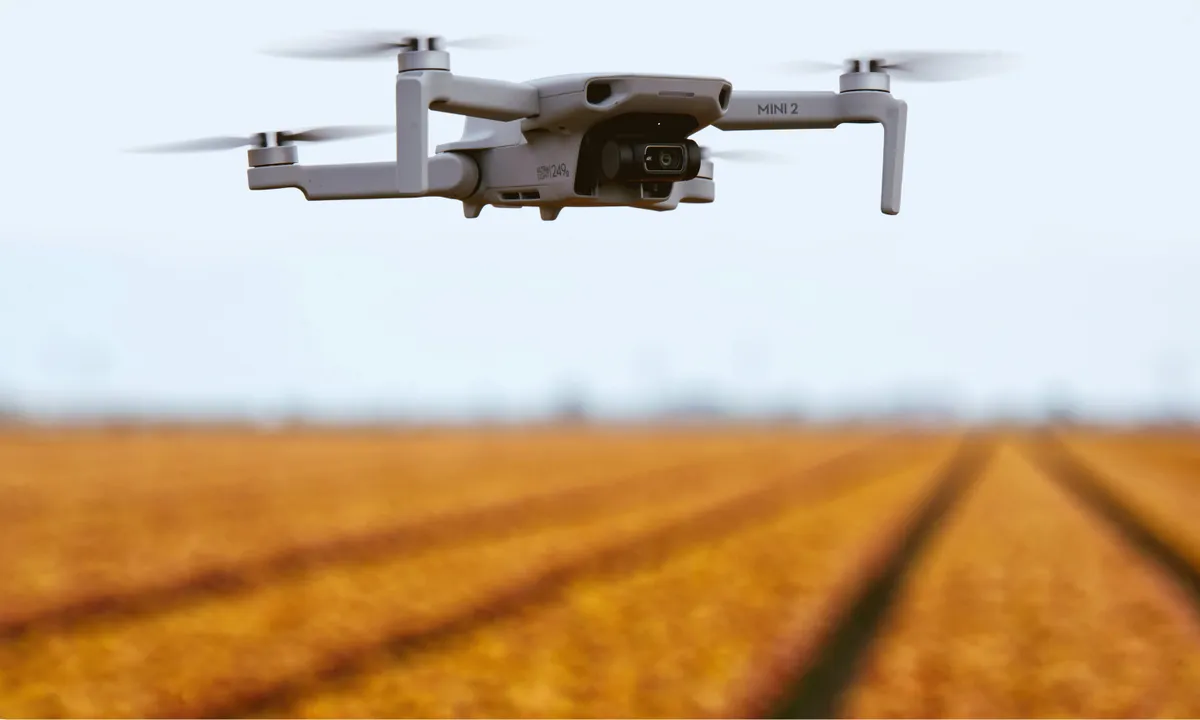
Start Your News DetoxDrones, those buzzing little eyes in the sky, snap detailed images that reveal crop health and highlight variations you’d never spot from the ground. This intel then feeds into “variable rate technology,” which adjusts how much fertilizer or pesticide is sprayed, moment by moment, as the tractor rolls across the field. Because one size clearly does not fit all, especially when it comes to hungry crops.
This digital farming sector is booming, by the way. It was valued at up to $30 billion in 2025 and is expected to double in the next decade. Let that satisfying number sink in.
The Catch: Not Everyone's Invited to the Tech Party
Sounds like a win-win, right? Well, here’s the rub. All this fancy tech comes with a hefty price tag, needs solid internet infrastructure, and demands a certain level of technical savvy. These barriers mean that most small farms — which, let's remember, make up about 85% of farms worldwide — are largely left out. It’s the larger, more capital-intensive operations that are leading the charge, creating a growing divide.
Experts at the International Panel of Experts on Sustainable Food Systems (IPES) are warning that this trend could actually worsen existing inequalities. They point out that big agribusiness and tech companies are increasingly calling the shots, shaping everything from what technologies get developed to how food production decisions are made. In their words, these companies are "shaping what the future of farming looks like."
And what about sustainability? The jury's still out. While precision agriculture could reduce inputs and emissions, the evidence is mixed. As Celize Christy from the HEAL Food Alliance notes, it's easy to confuse efficiency with sustainability. These internet-connected, energy-hungry devices generate their own significant global emissions. Which, if you think about it, is a bit of an inconvenient truth.
Ultimately, innovation is vital, but its benefits hinge on how it’s developed and managed. IPES suggests "reclaiming innovation for people and planet," meaning more public oversight and a rethinking of what "innovation" truly means. HEAL Food Alliance pushes for regenerative practices that improve soil and strengthen local economies. Because as Christy puts it, "Climate solutions should serve communities, not corporations." And that, it seems, is something we can all get behind.