California, land of tech giants and avocado toast, is also the world's fourth-largest economy. You'd think that would come with a certain level of smug satisfaction. But according to Kristin Coates, CEO of Regenerative California, the Golden State's systems are still, well, a bit extractive.
Coates and her team looked at California's history of leading the charge on everything from social movements to ecological progress and wondered: What if the state applied that same ambition to regeneration? What if it built an economy that actually gave back to communities and the land?
The Salad Bowl Experiment
To test this decidedly un-extractive vision, they picked Monterey County. A place that, in a twist of economic irony, manages to be both the wealthiest and poorest county in California. It's also home to the Salinas Valley, lovingly known as the "salad bowl of the world." Because apparently, that's where we are now.
We're a new kind of news feed.
Regular news is designed to drain you. We're a non-profit built to restore you. Every story we publish is scored for impact, progress, and hope.
Start Your News DetoxThey started by doing the unthinkable for an economic initiative: talking to actual community members. Two big ideas floated to the top: a massive shift to regenerative organic farming and a revitalization of the "blue economy" — everything ocean-related. Which, for a coastal state, makes a lot of sense.
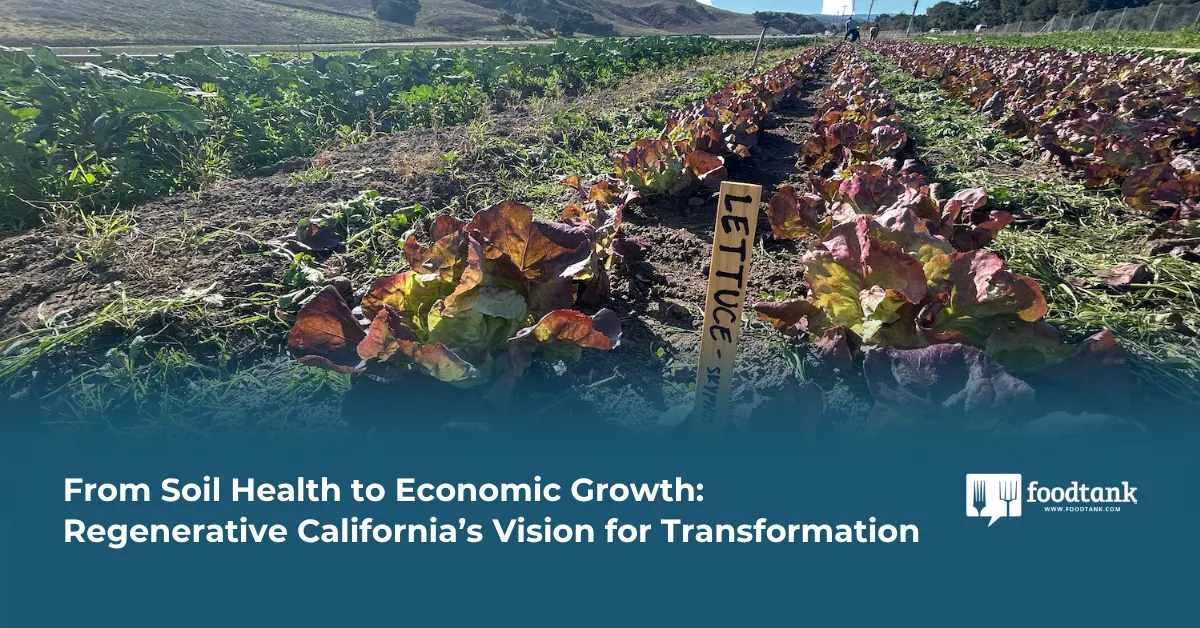
To kick things off, Regenerative California developed a 70-acre demonstration farm aptly named Regenerate 68! Farm, located just off Highway 68. Coates calls it their "Petri dish" for experimentation. Because while 70 acres won't feed all of California, it's a mighty fine place to figure out how to grow nutrient-rich crops while also, you know, regenerating the soil.
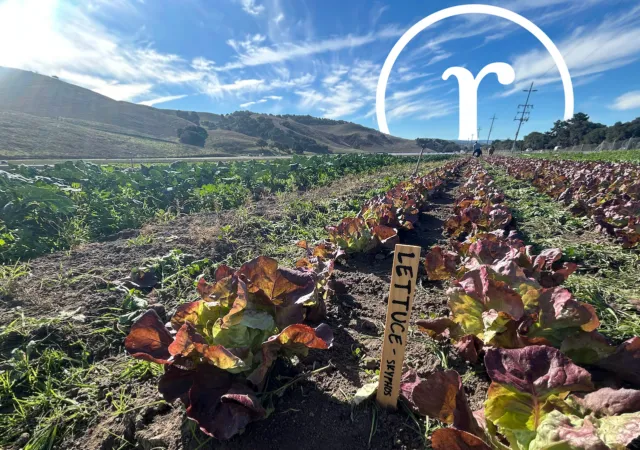
It's also part of a larger ranch managed by the Big Sur Land Trust, proving that you can grow food and conserve land at the same time. The goal is to track the farm's environmental progress by 2026, alongside the social and economic perks for local farmers and buyers. Because what good is a healthy ecosystem if the people in it aren't thriving too?
Coates admits that what works on one farm might not work on another. But the lessons learned? Those can scale. She envisions a "flywheel effect" where California leads the charge, and other regions take notice. In fact, a dozen other areas are already keen to join the regenerative revolution. Meaning, soon, your local salad bowl might be getting a whole lot greener.