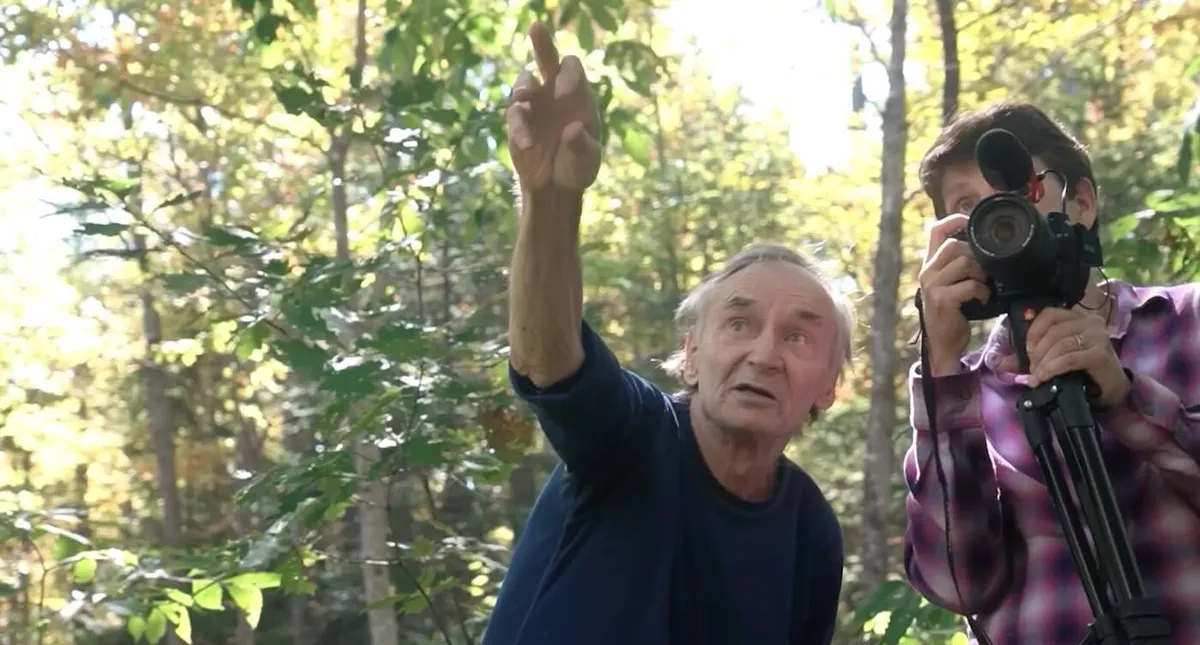
For decades, the prevailing wisdom in Western forestry was pretty straightforward: trees are in a ruthless, every-plant-for-itself competition. Then, in 1997, a forester and scientist named Suzanne Simard dropped a bombshell. Her research showed that different tree species share resources. They're connected. They help each other out. Which, if you think about it, makes industrial clear-cutting look less like efficient management and more like ripping out a critical organ.
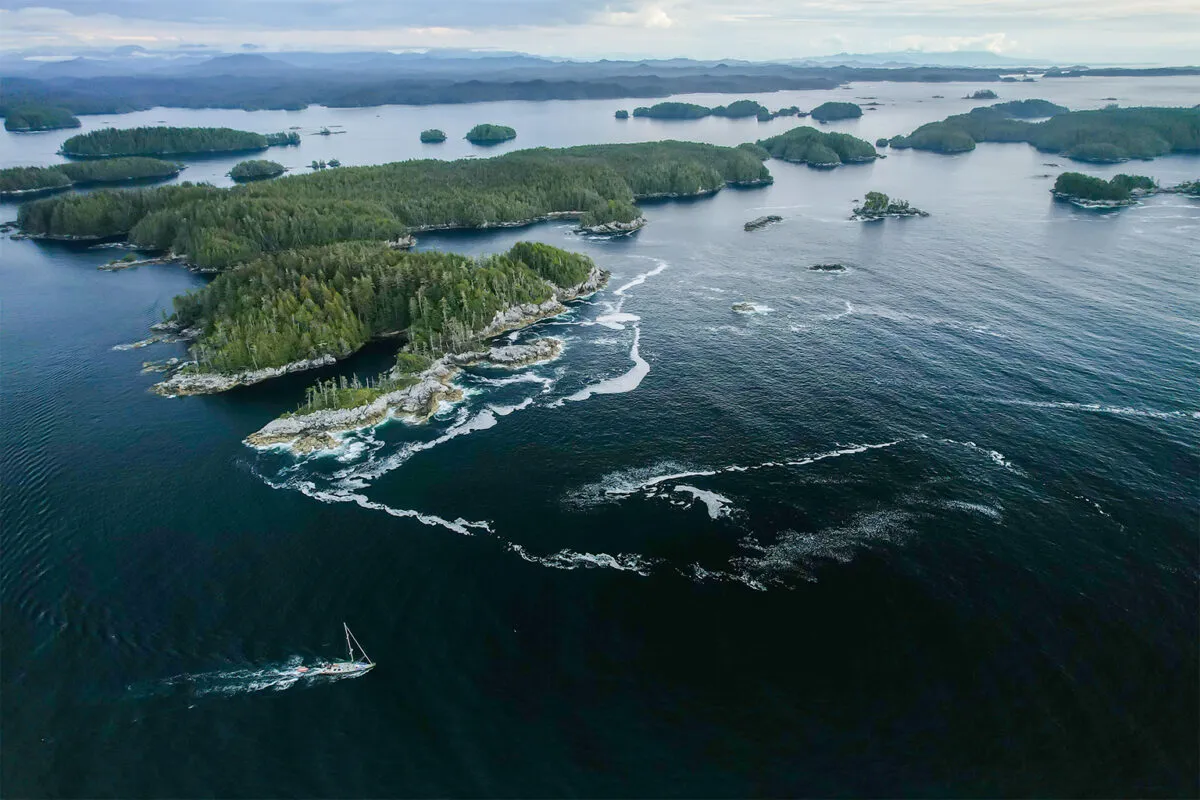
Fast forward to today, and Simard is making an even more profound point: Indigenous knowledge isn't just helpful for forests, it's absolutely essential for their survival. Environmental reporter Erica Gies recently spent time with Simard and her team, diving into the aptly named Mother Tree Project. Their mission? Figure out how to manage forests in a way that benefits everyone — trees, animals, and the humans who depend on them.
The Forest as Family, Not Just Timber
Gies shared her insights on the Mongabay Newscast, explaining why Simard is such a fierce advocate for Indigenous knowledge systems. The core principle? Reciprocity. It's a concept that sounds revolutionary to some, but is simply common sense to others: if you take, you must also give back.
We're a new kind of news feed.
Regular news is designed to drain you. We're a non-profit built to restore you. Every story we publish is scored for impact, progress, and hope.
Start Your News DetoxSimard’s own perspective shifted dramatically after encountering a paper by fisheries ecologist Teresa Sm’hayetsk Ryan, who now collaborates with Simard. The big takeaway for Simard? Humans aren't just visitors or exploiters of the forest; they're an integral part of its intricate web of relationships. This isn't just about sustainable harvesting; it's about a deep, mutual responsibility to care for the entire system.
Because, as anyone who’s ever tried to get something for nothing knows, if you overexploit a resource without giving back, those resources tend to, well, run out. And when it comes to the lungs of our planet, that’s a lesson we probably shouldn’t learn the hard way.