Taiwan is about the size of Maryland, yet somehow manages to feed 23 million people and pull in a cool $18 billion in agricultural goods each year. Which, if you think about it, is both impressive and slightly terrifying for anyone who's ever tried to grow a tomato.
Here’s the kicker: the average Taiwanese farm is less than a single hectare. To put that into perspective, British farms average 87 hectares, and American farms clock in at a whopping 187. Imagine trying to run a global food operation on what amounts to a large backyard.
Most of the island is mountainous, leaving only about a quarter of its land arable, primarily on the southwestern Chianan Plain. This means Taiwan has a mere 0.03 hectares of farmland per person. That's half the amount per person in the UK and a tenth of what the US boasts. Clearly, they've perfected the art of the agricultural Tetris.
We're a new kind of news feed.
Regular news is designed to drain you. We're a non-profit built to restore you. Every story we publish is scored for impact, progress, and hope.
Start Your News DetoxThe Patchwork Quilt of Yunlin County
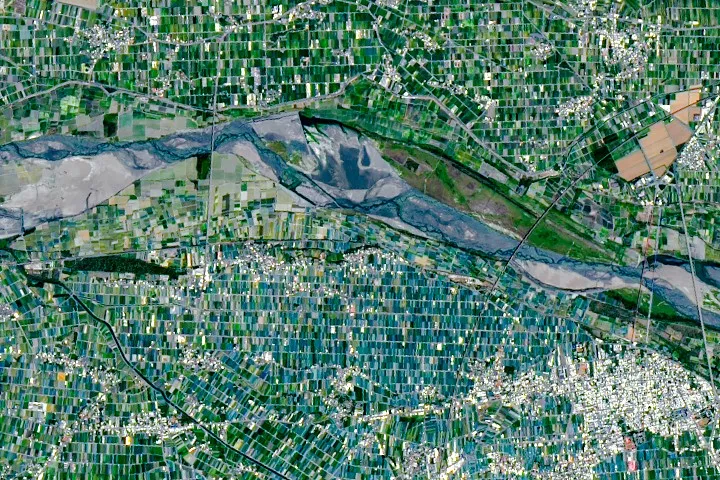
Satellite images of Yunlin County in southwestern Taiwan, one of the island's most productive agricultural regions, perfectly illustrate this small-scale farming. It looks like a meticulous, multi-colored patchwork quilt from above. These tiny plots are a legacy of past policies limiting farm size and a cultural tradition of dividing land through generations. Because apparently that's where we are now: farming for ants, but making it work.
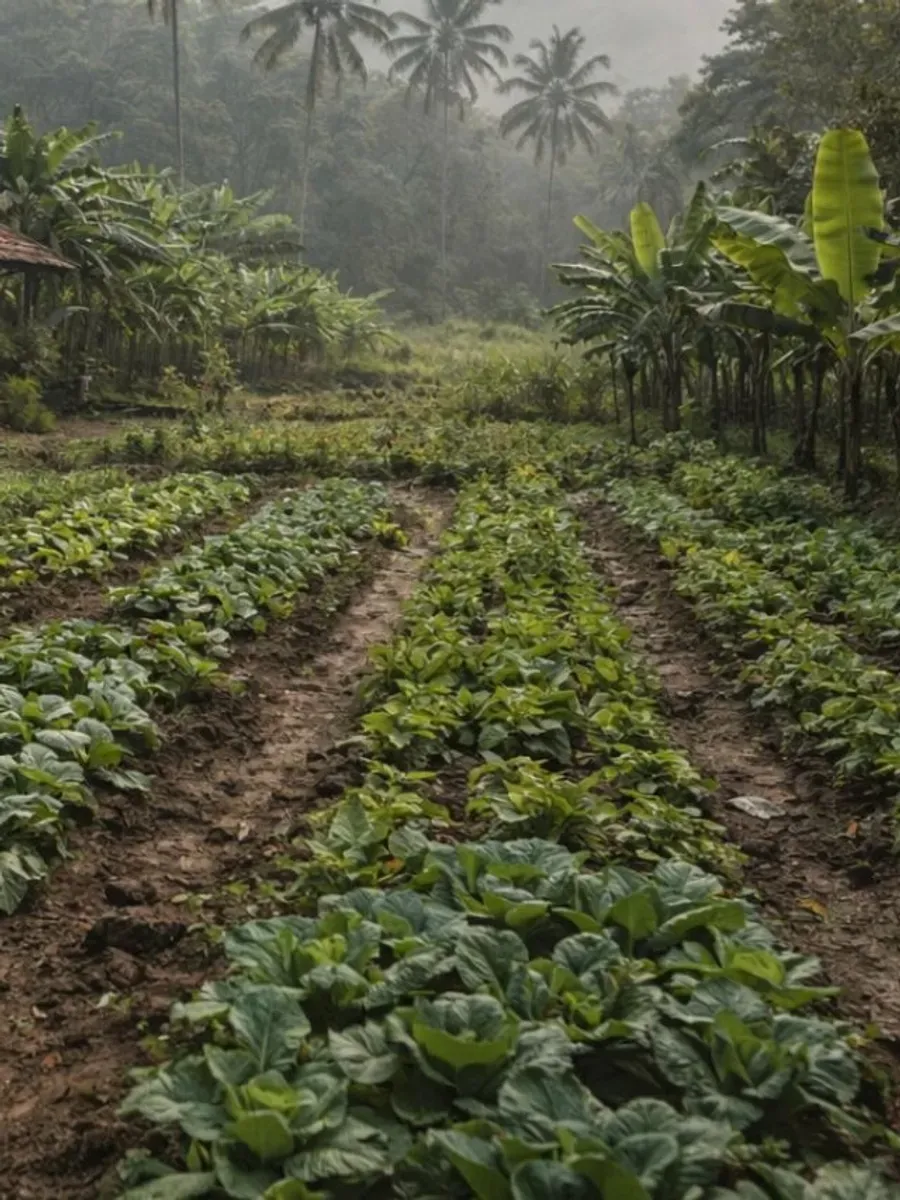
Yunlin County is mostly flat, blessed with fertile soil and easy irrigation, sitting along the Zhoushui and Beigang rivers' floodplains. It’s a major agricultural hub, growing everything from rice and sweet potatoes to peanuts, corn, sugarcane, garlic, scallions, coffee, and a dizzying array of fruits and leafy greens. Oh, and it also raises millions of pigs. More than any other county on the island, in fact.
Most of these crops grow in small, rectangular plots, neatly separated by roads and irrigation canals. Sugarcane is the exception. Back when Japan controlled Taiwan in the early 1900s, huge sugarcane plantations were established. After World War II, these became part of the Taiwan Sugar Corporation. So, those larger plots you see north of Baozhong? A sweet, sprawling relic of the past.
While sugarcane production has declined, Taiwan Sugar Corporation still grows it around Baozhong. They even run a railway that hauls the harvested cane to Huwei, home to one of Taiwan's last remaining sugar refineries. The island once had a vast network of these sugar railways; now, the Huwei line is the sole survivor. Let that satisfying number sink in.
Another unique visual in Yunlin's landscape pops up around Xiluo, where fields often appear greenish-blue. This isn't some exotic crop but rather farmers' clever use of shade nets. These nets protect specialty crops like vegetables, fruit, and flowers from heat, sun, heavy rains, and pests. It’s a striking contrast to the darker green regions where rice reigns supreme. A little agricultural fashion statement, if you will.
Taiwan's agricultural prowess proves that when you're short on space, you get creative. And apparently, you also get really good at farming. Who knew going small could yield such enormous results?