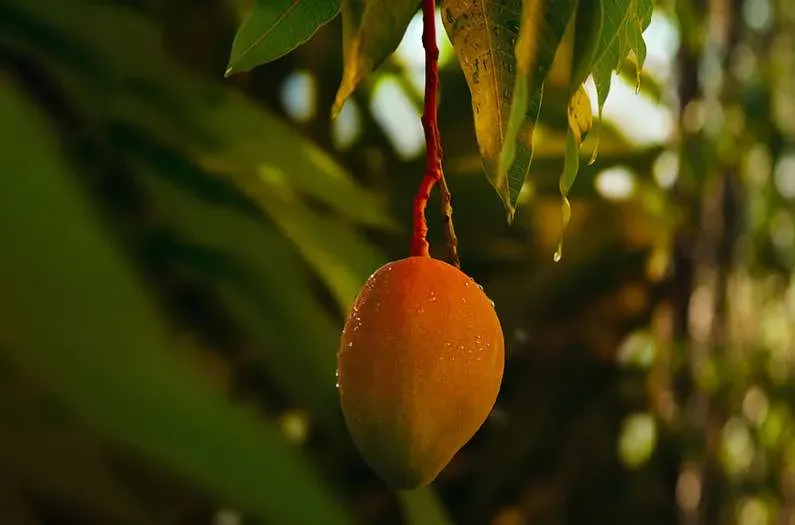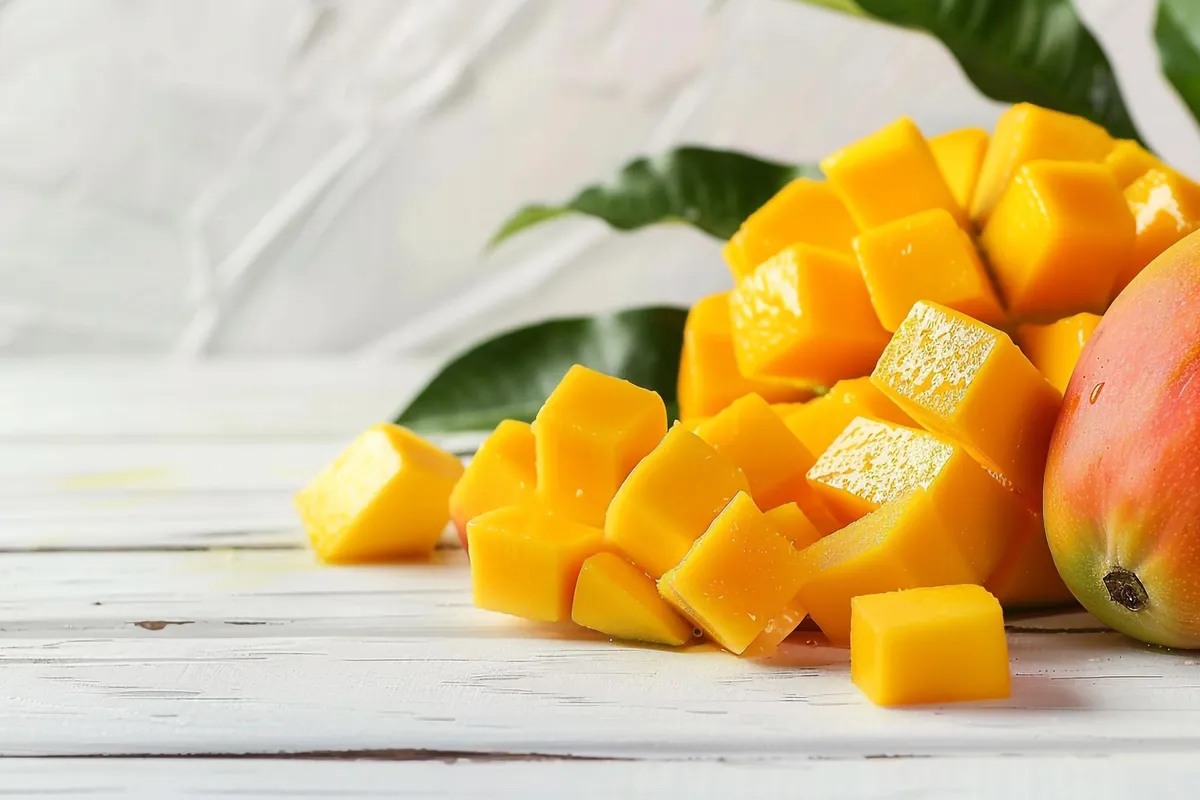
For years, the humble mango has been a bit of a diva when it comes to travel. Pick it too early, and it's a rock. Pick it ripe, and it's mush by the time it gets to your fruit bowl. But a new study suggests we've been getting its preferred travel conditions all wrong, and the fix is surprisingly simple: a very specific cool temperature.
Turns out, 12 °C (that's 54°F for those of us who prefer our thermostats in Fahrenheit) is the magic number for 'Tainong No.1' mangoes. This precise chill helps them stay firm, ripen at a dignified pace, and even ward off the existential stress of being a fruit on a journey. Who knew mangoes had such specific demands?
The Goldilocks Zone for Tropical Fruit
Mangoes, glorious as they are, are notoriously quick to spoil. They just keep ripening after they're picked, like they're on some kind of botanical deadline. For years, many tropical supply chains have been shipping these beauties at a balmy 26–30°C (79–86°F), essentially fast-tracking them to overripe oblivion. Cooling helps, but too much cold means freezer burn and damaged fruit. It's a narrow window.
We're a new kind of news feed.
Regular news is designed to drain you. We're a non-profit built to restore you. Every story we publish is scored for impact, progress, and hope.
Start Your News DetoxEnter the research team led by Yuanzhi Shao and Wen Li at Hainan University. Published in Tropical Plants, their work pinpointed 12 °C as the sweet spot. It's cool enough to slow things down, but not so cold it triggers the mango's internal "I'm dying!" alarm.
Inside the mango, this temperature helps maintain a delicate balance. It keeps those pesky reactive oxygen species (the things that cause aging and cell damage) in check and actually boosts the fruit's natural antioxidants. Basically, it gives the mango a tiny, internal spa day, helping it manage the stresses of being a delicious, in-demand fruit.
The team meticulously tracked mangoes stored at both the optimal 12 °C and a steamy 30 °C over 24 days. The results were clear: the warmer mangoes sprinted towards ripeness, turning yellow, spiking in sugar, and then quickly declining. The cooler ones, however, took their time. Color changes were gradual, sugar levels remained stable, and acidity held on longer.
Microscopic images revealed the secret: at 12 °C, the mangoes maintained strong cell walls and ample starch reserves. The warmer ones? Early cell breakdown, weak walls, and less energy. That's the difference between a firm, flavorful fruit and one that’s heading for the compost bin.
This seemingly small temperature tweak could have massive implications for how mangoes — and potentially other tropical fruits — travel the globe. Growers could harvest earlier, ship farther, and consumers could finally get a mango that ripens on their counter, not in transit. Fewer spoiled fruits, more happy eaters, and less food waste. Because who among us hasn't mourned a perfectly good mango gone bad too soon? The mango, it seems, just needed a little more chill.