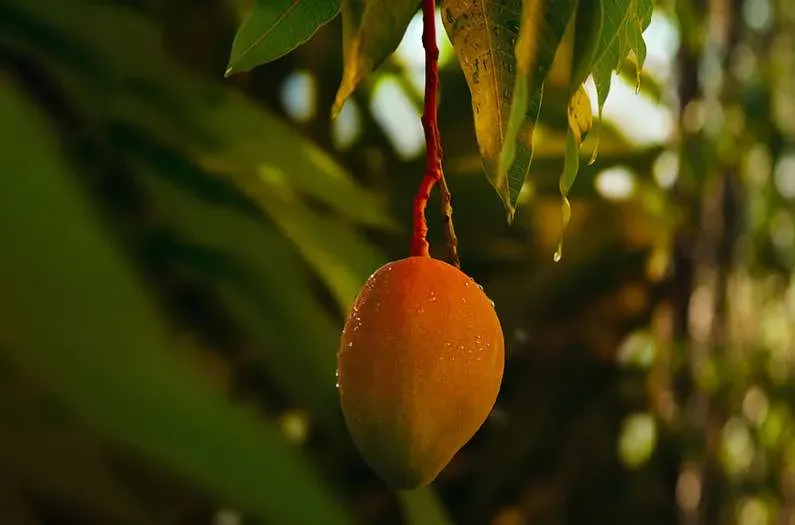
You know trees are good for the planet. They suck up carbon, provide shade, and generally just make things look nicer. But what if they could also make farmers five times richer? Because, apparently, that’s where we are now.
A new study out of India has dropped a rather satisfying number: farms that mix fruit trees with regular crops are raking in nearly five times more profit than their traditional, annual-crop-only counterparts. And yes, they're still doing all that good carbon-sucking work.
The Sweet Spot for Soil and Wallets
Researchers headed to India's Vindhyan region, a semi-arid zone that isn't exactly famous for its lush conditions. Think low rainfall, less-than-ideal soil. They set up seven different farming systems to see what stuck.
We're a new kind of news feed.
Regular news is designed to drain you. We're a non-profit built to restore you. Every story we publish is scored for impact, progress, and hope.
Start Your News DetoxThey tried pure orchards of mango, guava, and Indian gooseberry. They even threw in a teak tree plantation and a traditional farm that just rotated mung beans and wheat. But the real magic happened in the plots where mango or guava trees were mixed right in with those wheat and mung bean fields.
When it came to carbon storage, the trees were the undisputed champions. A pure mango orchard held a staggering 46.63 tons of carbon per hectare. The guava-only plot was the CO2-gobbling king, pulling in almost 8 tons per hectare annually. Traditional annual crop farms? Not so much.
But here’s the kicker: while pure orchards were great for the planet, the mixed farms were the economic superstars. Those plots with mango trees mingled with wheat and mung beans didn't just store a lot of carbon; they pulled in over $4,800 per hectare each year. That's almost five times what farmers made from just growing annual crops.
So, it turns out that balancing environmental good with economic prosperity isn't just a pipe dream. Sometimes, the best solution is just a really well-placed fruit tree. Which, if you think about it, is both impressive and slightly delicious.