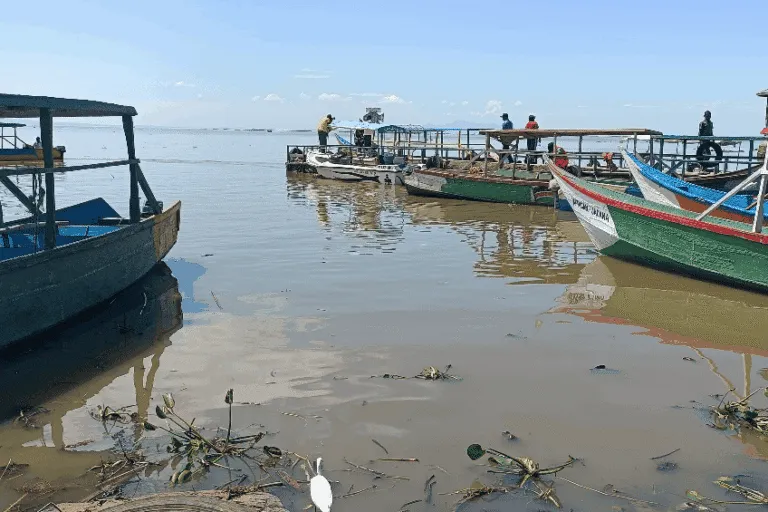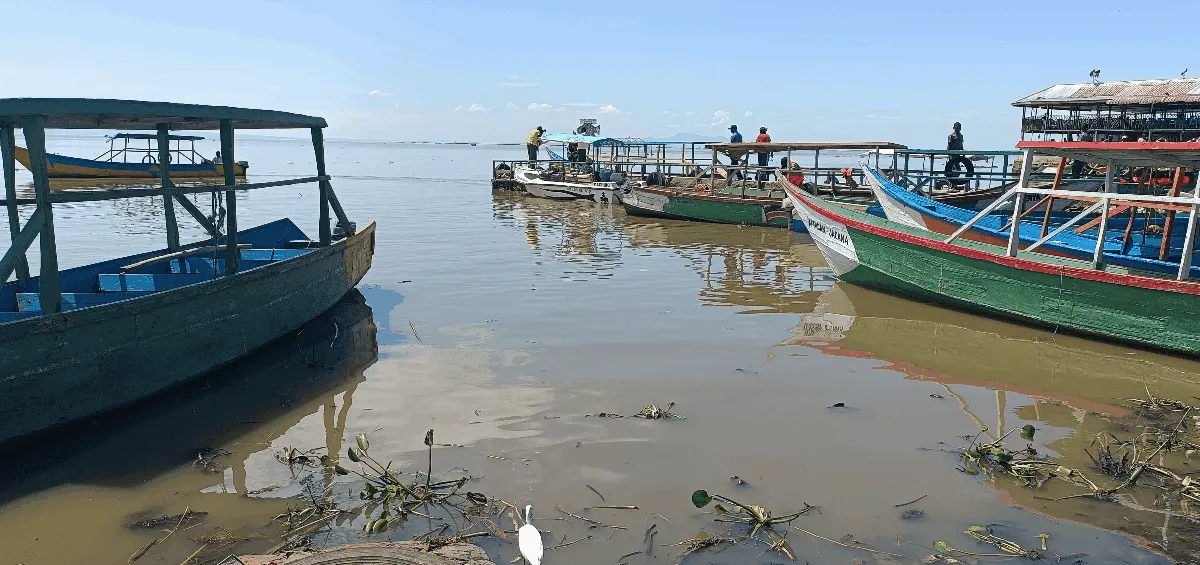
Picture this: a serene morning on Lake Victoria, Kenya. Birds are chirping, a gentle breeze is ruffling the water, and an African sacred ibis is out for its breakfast. This little slice of paradise at Dunga Beach is soon to be bustling, but for now, it's just nature doing its thing.
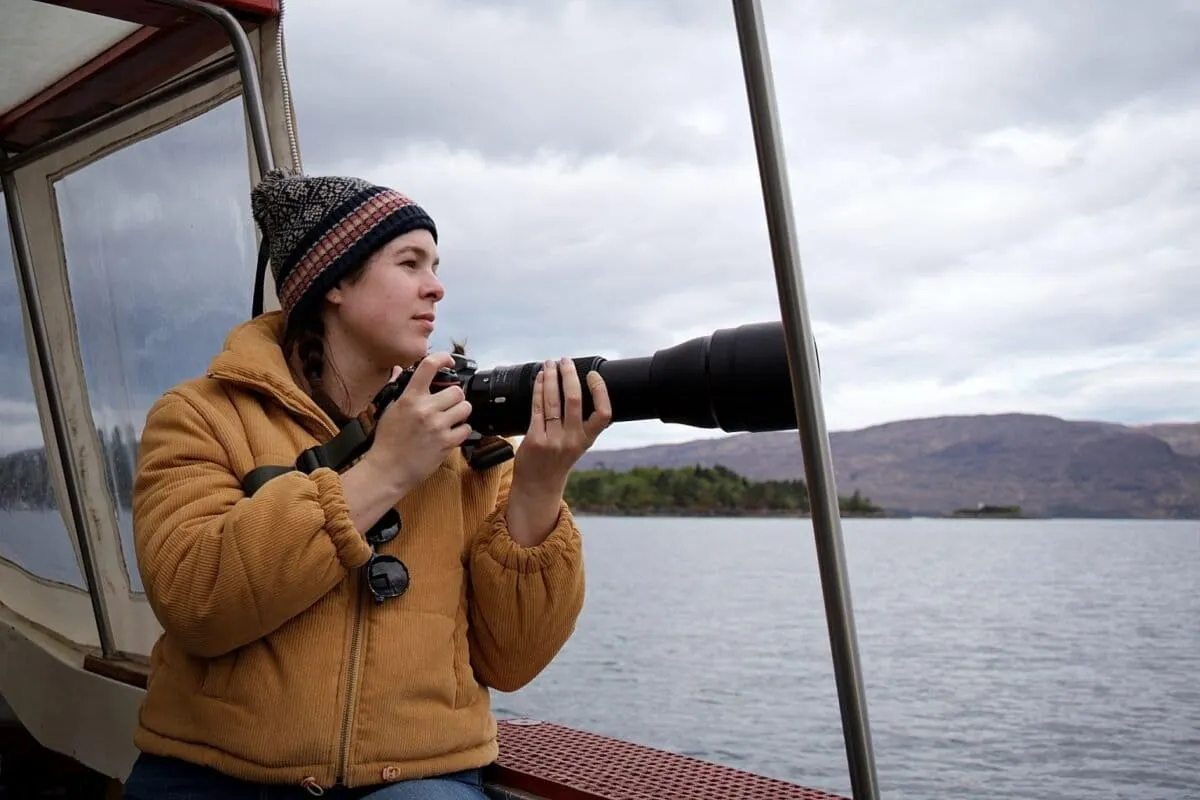
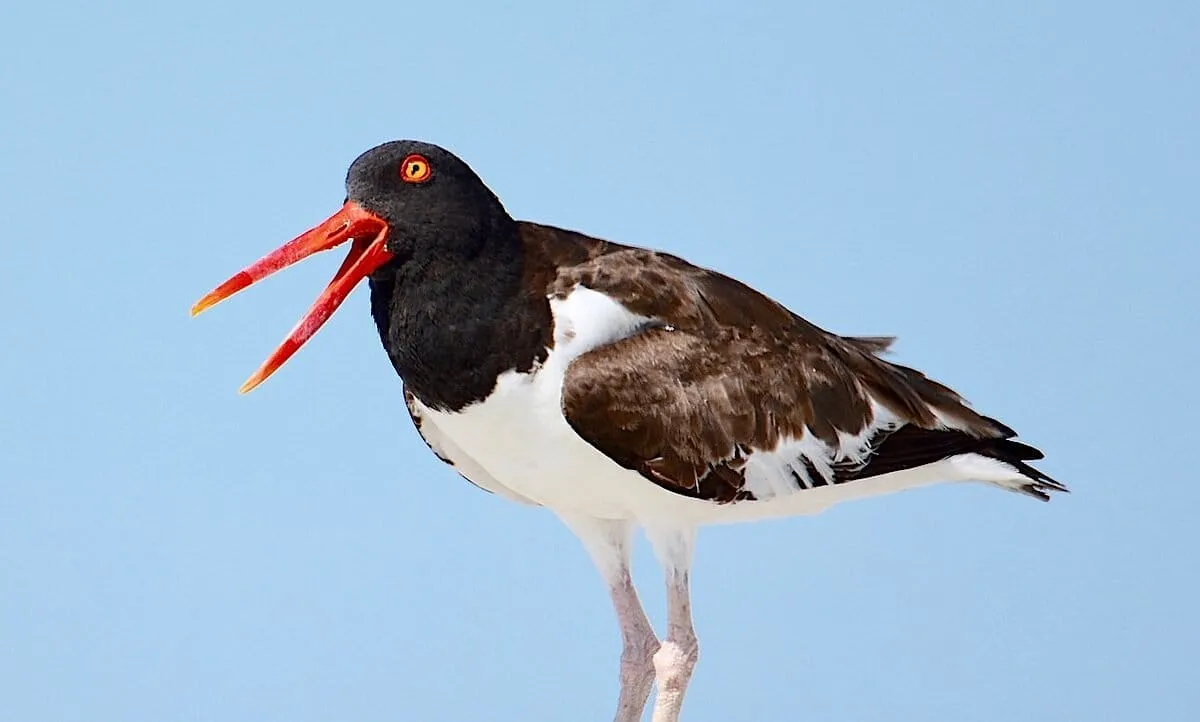
Leading tourists along a wooden boardwalk is Victor Ochieng' Didi, 32, a man on a mission. His visitors? Keen bird-watchers hoping to catch a glimpse of the elusive papyrus gonolek. This near-threatened species decided the wetlands of Central and East Africa were the place to be, and Dunga is one of its last strongholds.

That boardwalk, and the very existence of these bird-watching opportunities, isn't just a happy accident. It's the result of years of grit, particularly from a cohort of young conservationists. They're working to protect what scientists have dubbed a Key Biodiversity Area (KBA) — a fancy term for a place that's ridiculously important for the planet's health.
We're a new kind of news feed.
Regular news is designed to drain you. We're a non-profit built to restore you. Every story we publish is scored for impact, progress, and hope.
Start Your News DetoxMore Than Just Pretty Birds
Beyond being a five-star resort for rare birds, the Dunga wetland is also a carbon-absorbing superhero, quietly sucking up emissions from the atmosphere. It's the kind of place that reminds you nature is just showing off sometimes.
Efforts to protect Dunga have been a bit of a rollercoaster, but activists are pushing for it to become a gazetted wetland under Kenyan law. Essentially, they want the government to put a big, official 'DO NOT DISTURB' sign on it, ensuring its protection for the long haul. Because, let's be honest, a place this vital (and this scenic) deserves all the help it can get.