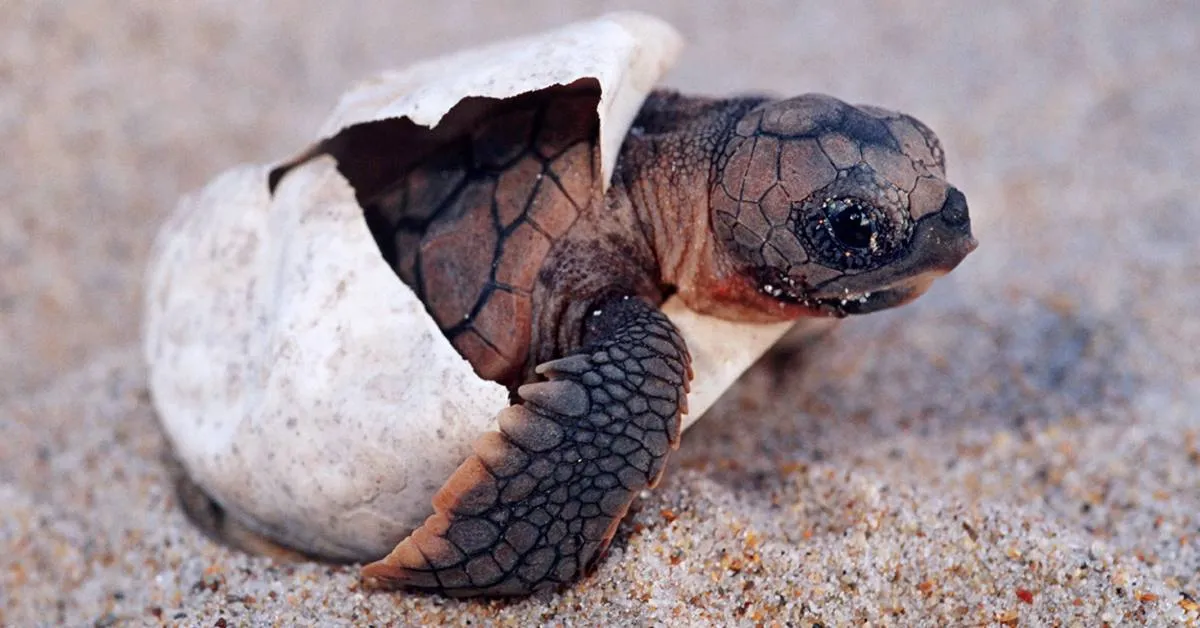
There are fewer than 1,000 Eastern Pacific leatherback sea turtles left in the world. Let that truly alarming number sink in. These ancient mariners, the largest turtles on Earth, journey from Mexico all the way down to Ecuador to lay their eggs.
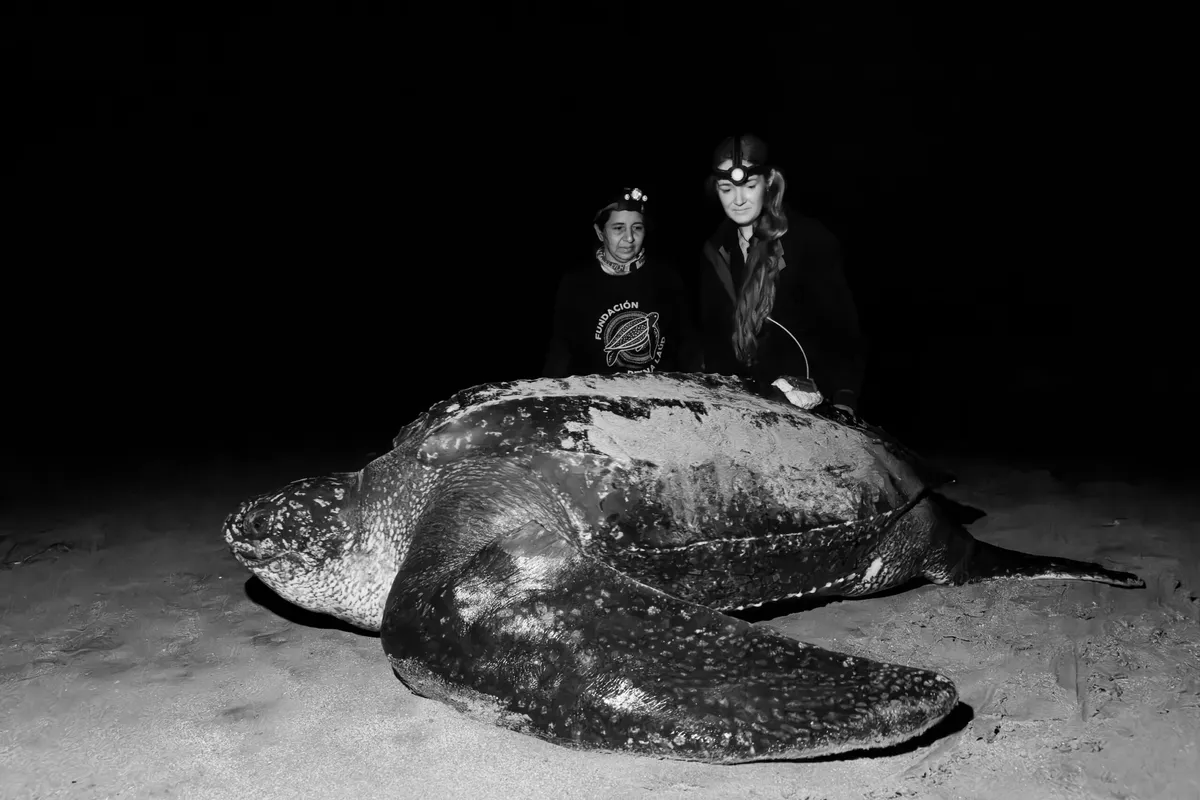
And now, scientists have successfully tagged the first nesting leatherback ever recorded at the southernmost point of their nesting range in Ecuador. Her name is Lucero, which means "morning star" in Spanish, and she's estimated to be between 25 and 40 years old. Which, if you think about it, is both impressive and slightly terrifying for an animal that's been around for literal millennia.

The Great Turtle Stakeout
This wasn't a casual stroll on the beach. Researchers from Ecuador's Fundacion Reina Laud spotted Lucero heading for a remote nesting spot and immediately called in marine conservation biologist Callie Veelenturf, founder of the U.S.-based Leatherback Project. The catch? They had no idea where on the long, isolated beach Lucero would decide to grace them with her presence.
We're a new kind of news feed.
Regular news is designed to drain you. We're a non-profit built to restore you. Every story we publish is scored for impact, progress, and hope.
Start Your News DetoxSo, naturally, they deployed a human chain of spotters, equipped with radios, spread out along the entire shoreline. Veelenturf called it "quite an adventure," which is probably an understatement for spending multiple nights on a beach, waiting for a giant, critically endangered reptile to make an appearance.
When sea turtles lay their eggs, they enter a kind of trance. They're so focused on the monumental task at hand that they barely notice their surroundings. This was the team's window. They carefully attached a satellite tag to Lucero's shell. Now, every time she surfaces for air, the tag pings a satellite, broadcasting her location. It's like a very high-stakes, very slow-moving game of Marco Polo.
The hope is that Lucero will spill all her secrets — where she migrates, what she eats, where she hangs out. This intel is absolutely vital for crafting conservation plans to protect her dwindling species. Because a world without these magnificent creatures? That's a morning star we definitely don't want to see fade.