Malasen Hamida has spent 25 years fighting for her community in Kibera, Kenya. She's a Nubian Muslim woman, an environmental activist, and a three-time parliamentary candidate who's not giving up on 2027. If anyone knows how to turn trash into… well, not treasure, but at least a cleaner neighborhood, it's her.
Kibera, which ironically means "land of forests" in the language of the Nubians who named it, is now Kenya's largest informal settlement. It was originally granted to the Nubian community by the British colonial government, a thank you note for their ancestors' service in the King's African Rifles. What started as a sprawling 4,197 acres has shrunk to a mere 288 acres under Nubian ownership. Urbanization, forced evictions, land-grabbing, and government projects have all taken their bite, and the community has never seen a dime in compensation.
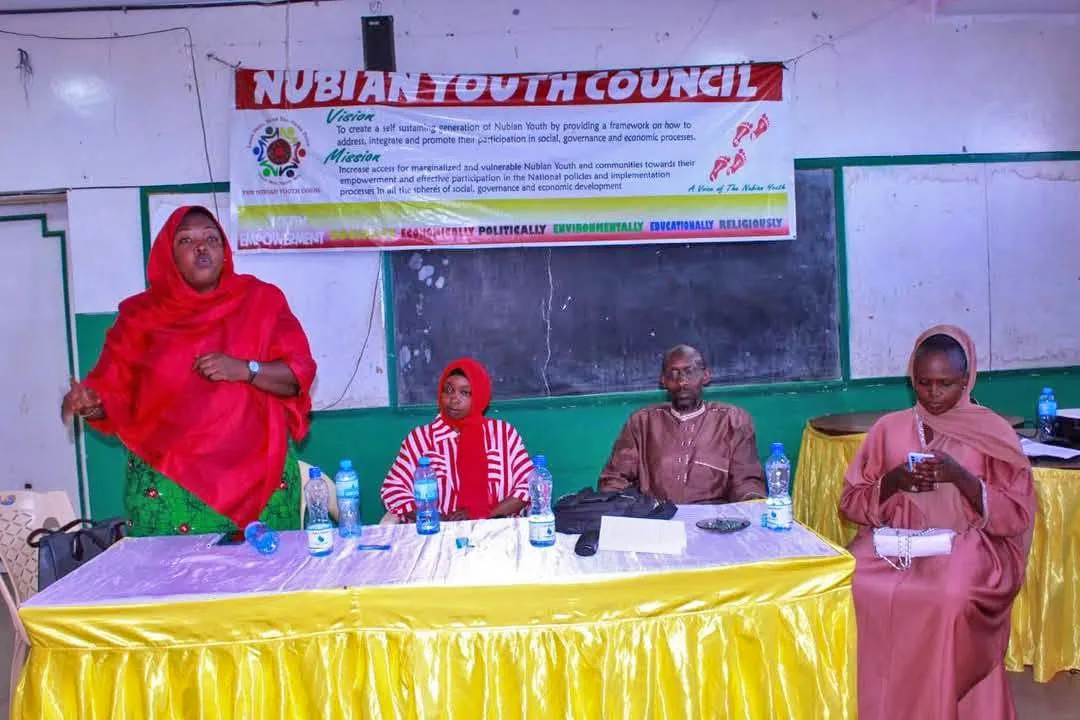
The Mazingira Women Initiative: Where Activism Meets Cleanliness
Hamida's answer to this encroaching chaos is the Mazingira Women Initiative. "Mazingira" is Swahili for environment or nature, and her group tackles everything from waste management and smart farming to land rights and, naturally, women's leadership. Because who better to clean up a mess than the people who usually end up dealing with it?
We're a new kind of news feed.
Regular news is designed to drain you. We're a non-profit built to restore you. Every story we publish is scored for impact, progress, and hope.
Start Your News DetoxRecently, Hamida was spotted leaving Kibera's largest mosque, stopping every few feet to greet someone. It's clear her roots run deep. And if you needed more proof of her dedication, just look at her home compound — a pristine oasis in a settlement often overwhelmed by waste. It’s a subtle flex, but a powerful one, showing exactly what’s possible when someone decides to actually do something about the problem.