Marine biologist Katherine Sayler loves sea turtles for their amazing resilience. Sayler works for Defenders of Wildlife, a group that protects endangered species.
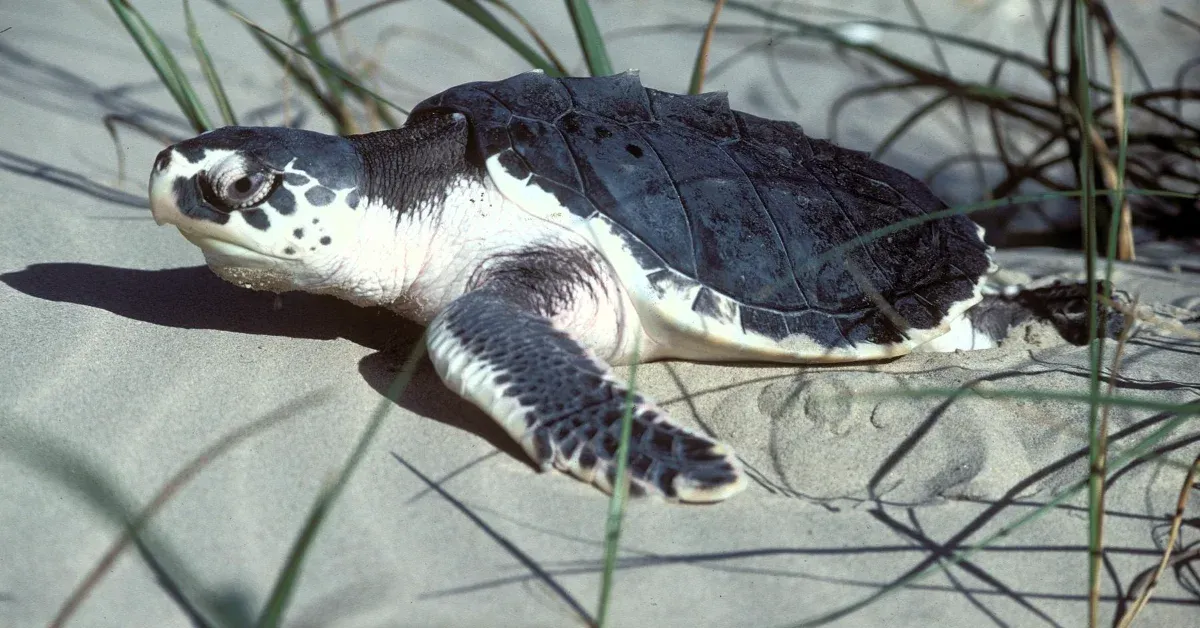
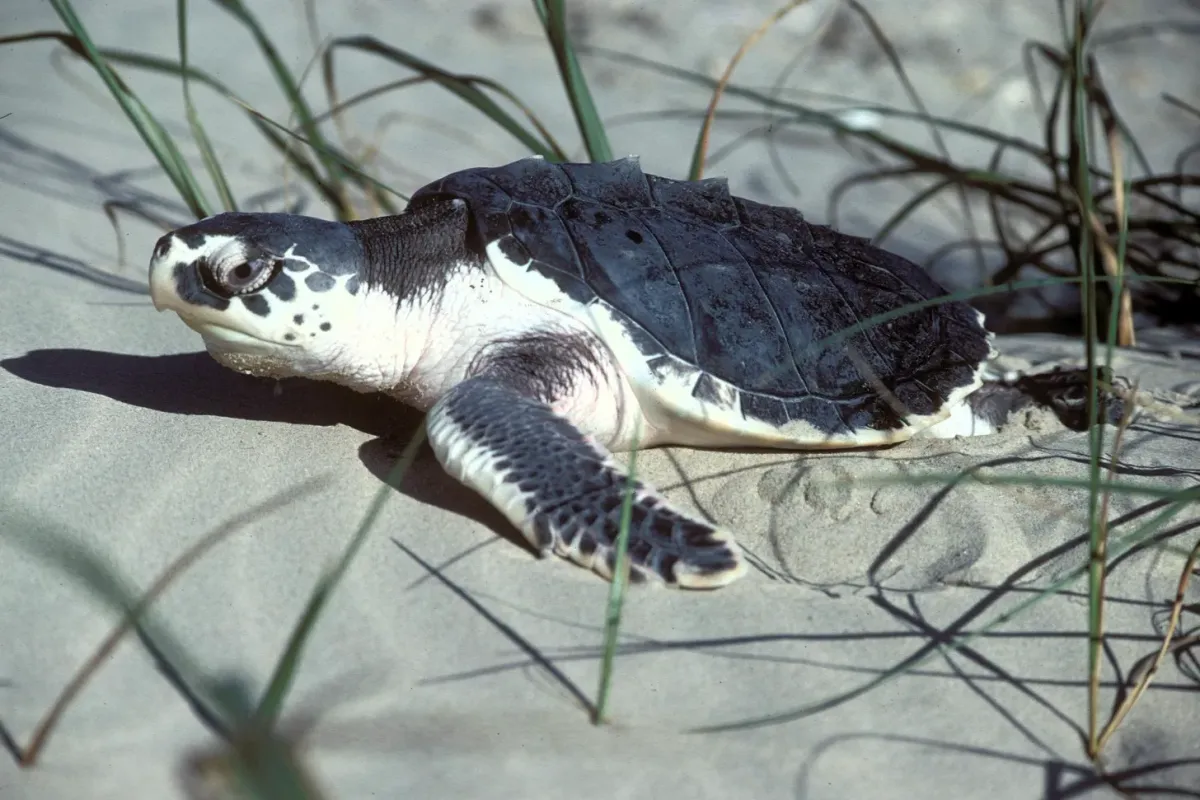
Kemp’s ridley sea turtles are the most endangered sea turtle in the world. They are also the smallest of the seven sea turtle species.
Today, these turtles live in the warm, shallow waters of the Gulf of Mexico and the northwestern Atlantic Ocean. But they once faced extinction.
We're a new kind of news feed.
Regular news is designed to drain you. We're a non-profit built to restore you. Every story we publish is scored for impact, progress, and hope.
Start Your News DetoxA History of Decline and Recovery
Most Kemp’s ridley turtles nest on one Mexican beach: Rancho Nuevo in Tamaulipas. Here, thousands of females come ashore together to lay eggs. This event is called an arribada, or "arrival by sea."
In 1947, a video showed tens of thousands of Kemp’s ridleys nesting near Rancho Nuevo in a single day.
Decades ago, people collected eggs for food. This, along with damaged coastlines and accidental capture in fishing gear, caused the turtle population to drop sharply.
Between the 1940s and 1985, Kemp’s ridley sea turtles declined by 99%. Sayler noted they went from over 121,000 nests to just 702 nests.
"Since the 1990s, they’ve been in recovery," Sayler said.
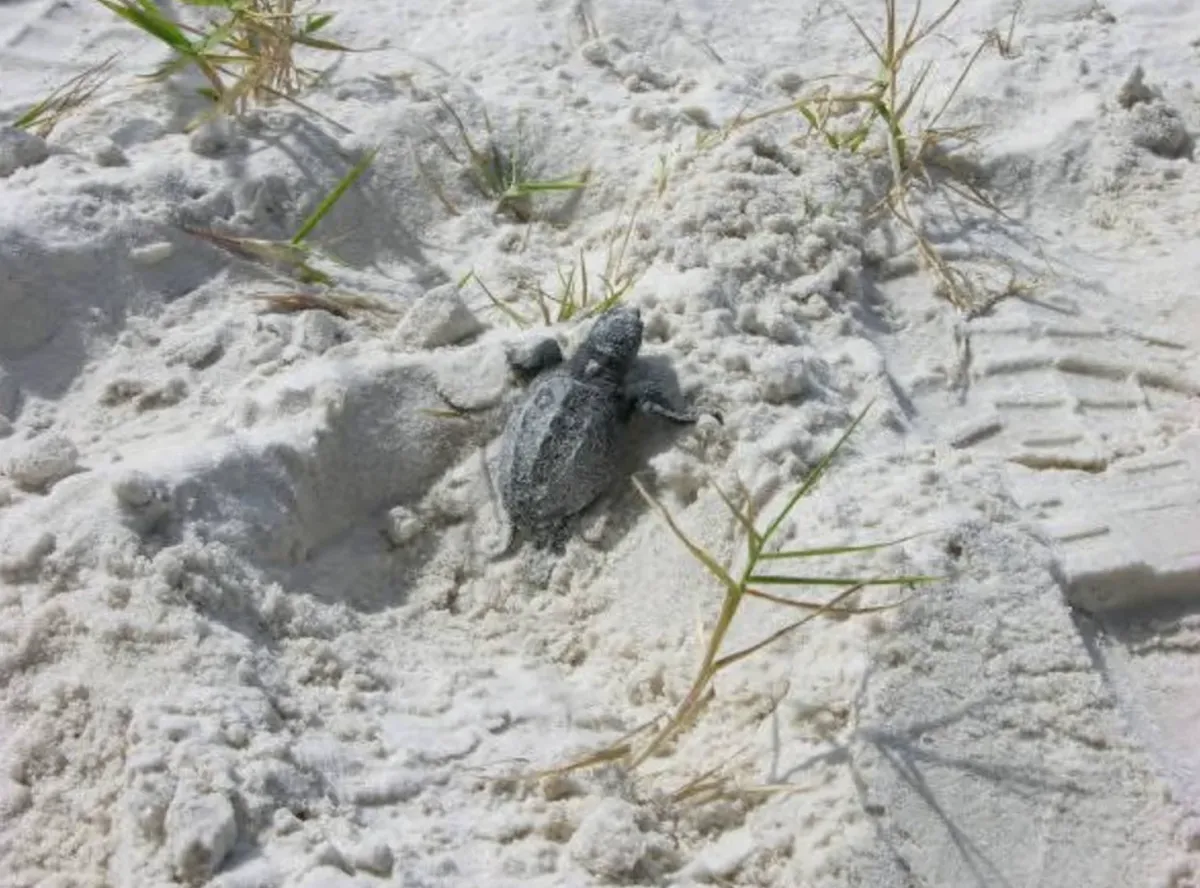
Today, there are an estimated 7,000 to 9,000 nesting female Kemp's ridleys. This means tens of thousands of nests globally each year.
Sayler credits this rebound to "thoughtful people taking action on their own beaches, conservation organizations, protection under the Endangered Species Act, and international conservation."
She finds it incredible how these turtles have overcome such significant population swings.
How to Help Sea Turtles
Even though the world’s rarest sea turtle is recovering, their future is still uncertain. Many actions can help them and other sea turtle species.
Sayler advises people to "keep beaches dark, flat, and clean." She emphasizes that this is a key action everyday people can take to help sea turtles thrive.