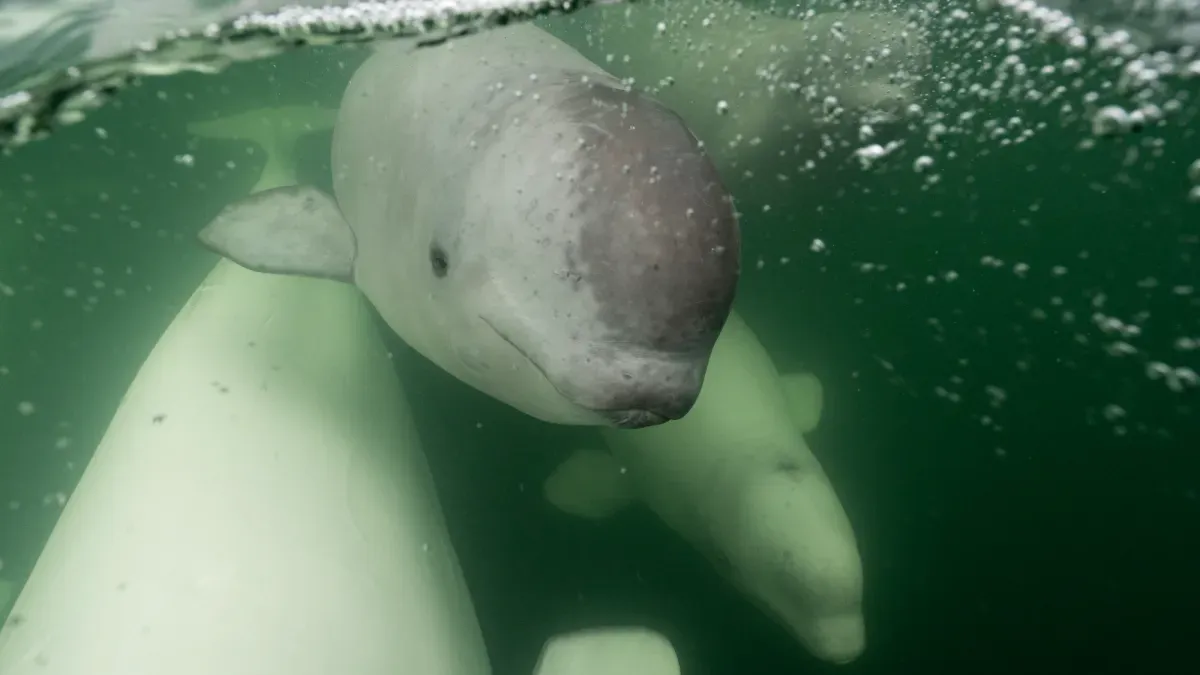
If the summer heat has you feeling a bit… melty, we have just the thing. The annual Beluga Cam is back, just in time for you to pretend you're somewhere much, much cooler. It launched on Arctic Sea Ice Day, because apparently that's where we are now — celebrating the ice before it, well, isn't.
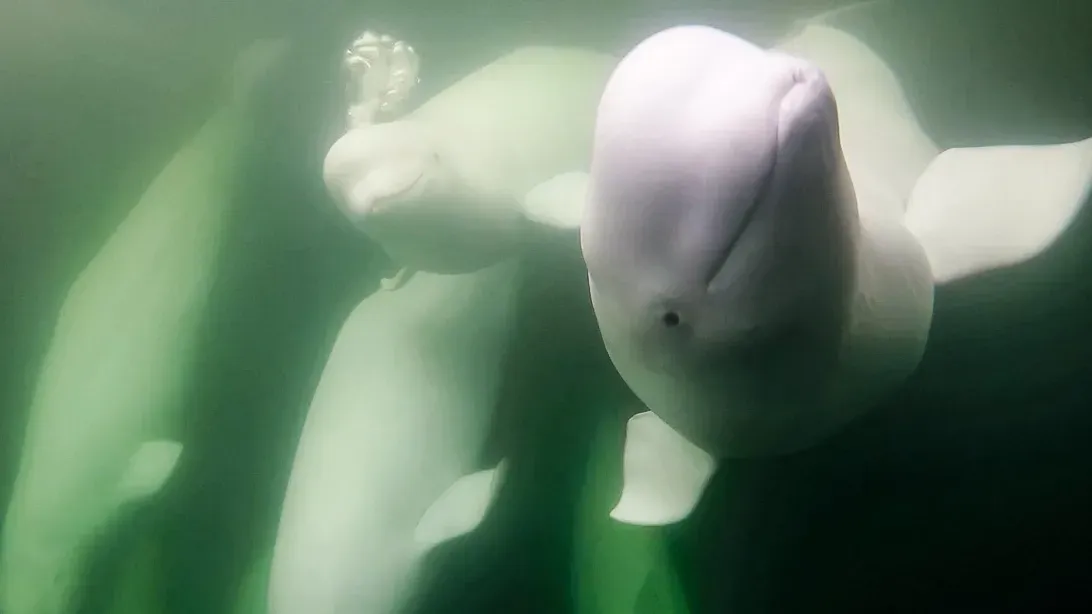
Every summer, when the Arctic ice decides to take a break, a casual 57,000 beluga whales — the Delphinapterus leucas if you're fancy — head south to the Canadian waters. They set up shop in the Churchill River, which flows into Hudson Bay. Think of it as their summer spa retreat: a safe, shallow spot to eat, shed some skin (yes, really), and introduce the next generation of belugas to the world.
Your New Favorite Reality Show
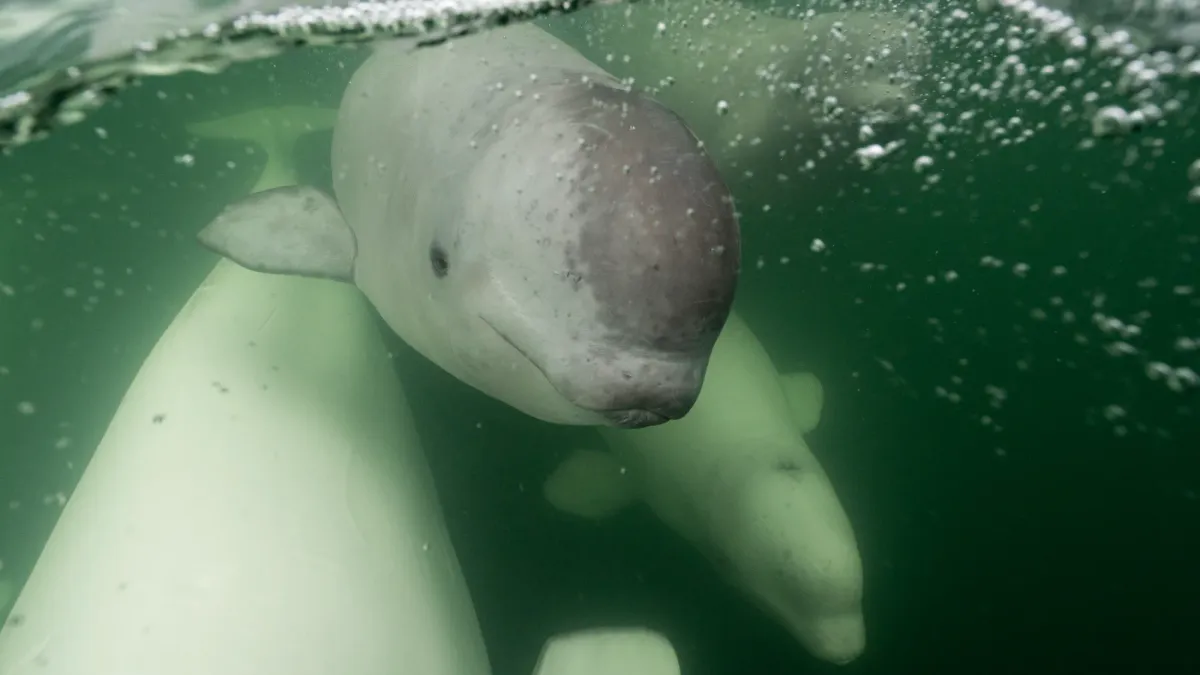
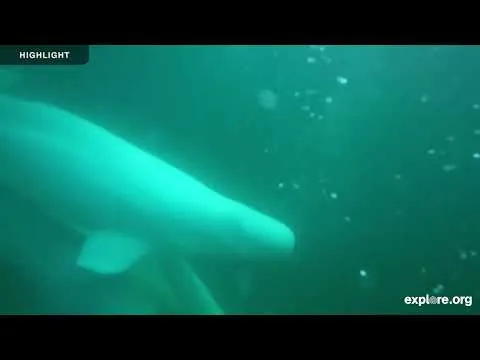
Polar Bears International (PBI) and explore.org are your VIP pass holders, offering two different views from a vessel affectionately known as "The Sea Canary" (also the Beluga Boat). These live cameras let you not just see, but hear the belugas living their best lives. Because apparently, they're quite the chatty bunch.
We're a new kind of news feed.
Regular news is designed to drain you. We're a non-profit built to restore you. Every story we publish is scored for impact, progress, and hope.
Start Your News DetoxPBI biologist Alysa McCall notes you'll catch plenty of family groups, with moms diligently herding their calves. The whales, being the natural performers they are, often follow the boat, swimming right up to the camera with their babies in tow, basically "talking" all day long. Above water, below water, it's all happening. A special hydrophone even lets you eavesdrop on their many sounds. Which, if you think about it, is both impressive and slightly terrifying.
This isn't just for your viewing pleasure, though. The cam feeds into the Beluga Bits Citizen Science Project. Over 40,000 volunteers have already helped classify more than 10 million beluga photos. This helps scientists study a species that's notoriously camera-shy in the wild. Volunteers have even stumbled upon two jellyfish species never before seen in Hudson Bay. Talk about finding Nemo, plus a few friends.
Beyond the Belugas: Polar Bear Paparazzi
Arctic Sea Ice Day also marked the launch of the first Svalbard Polar Bear Tracker. This project, in partnership with the Norwegian Polar Institute, is now following two Barents Sea polar bears (Ursus maritimus) around Svalbard, an archipelago chilling between mainland Norway and the North Pole. Because if you're going to track something, why not track the biggest land predators on the planet?
This new tracker builds on the decade-long success of the Hudson Bay Polar Bear Tracker. That one, created with the University of Alberta and Environment and Climate Change Canada, recently got an update, so you can now watch an animation of the bears' year-round paths. You might even spot Hope, a polar bear mom who adopted a cub back in autumn 2025. Because even polar bears need a good origin story.
Krista Wright, PBI Executive Director, reminds us that what happens in the Arctic doesn't stay in the Arctic. Every bit of warming matters for wildlife and our global climate. So, while you're enjoying your beluga fix, maybe spare a thought for their ice-dependent neighbors. And perhaps turn down the AC just a touch.