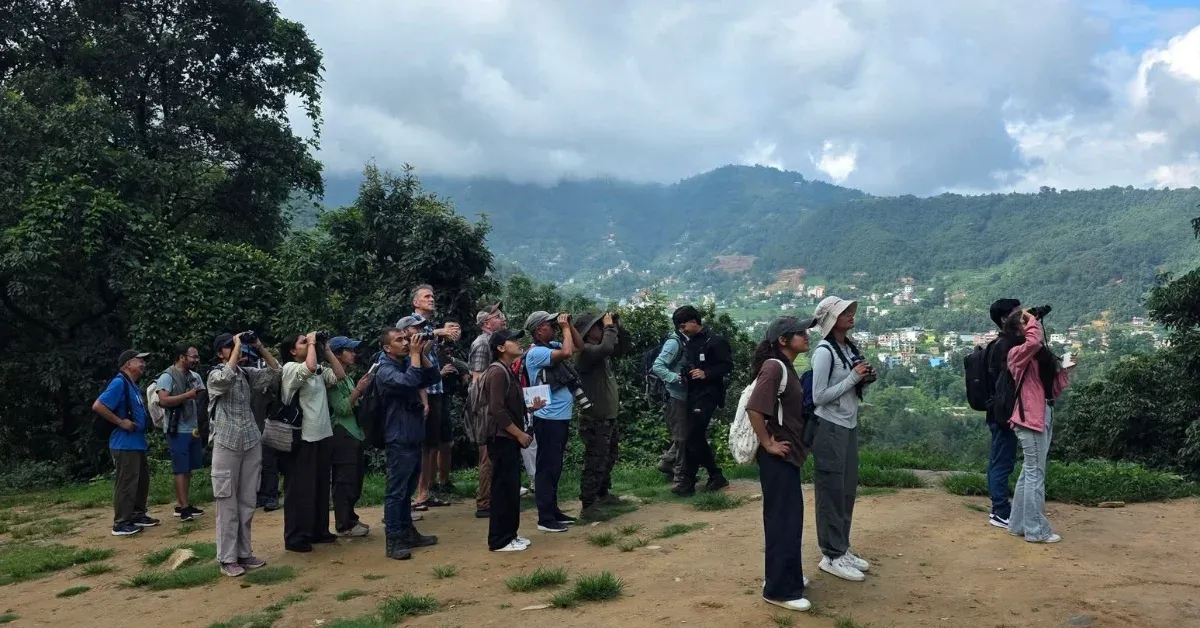
Birdwatching is growing in popularity in Nepal, especially among young people. This trend helps protect biodiversity by getting the public involved and collecting important ecological data.
Researchers say that records from birdwatchers fill gaps in data about bird populations and their habitats. Birdwatching also helps promote local places and creates economic activity. However, Nepal's potential as a birdwatching destination is still largely untapped.
From Hunter to Conservationist
Shankar Tiwari grew up near Chitwan National Park in central Nepal. As a child, he and his friends used to hunt birds for fun. Years later, a hotel guest took Tiwari birdwatching. This experience changed him from a hunter into a bird lover.
We're a new kind of news feed.
Regular news is designed to drain you. We're a non-profit built to restore you. Every story we publish is scored for impact, progress, and hope.
Start Your News DetoxHe saw a black-hooded oriole (Oriolus xanthornus) through binoculars for the first time. Its bright yellow and black feathers and red eyes sparked a lifelong passion for birds.
Today, 57-year-old Tiwari is a top birdwatching guide in Nepal. He is also a key member of the country's growing birdwatching community. This community helps conserve birds and promotes birdwatching as a tourist attraction.
Tiwari noted that the birdwatching community has grown a lot. This has raised awareness about birds and helps track changes in their habitats and populations over time.
The Importance of Data Sharing
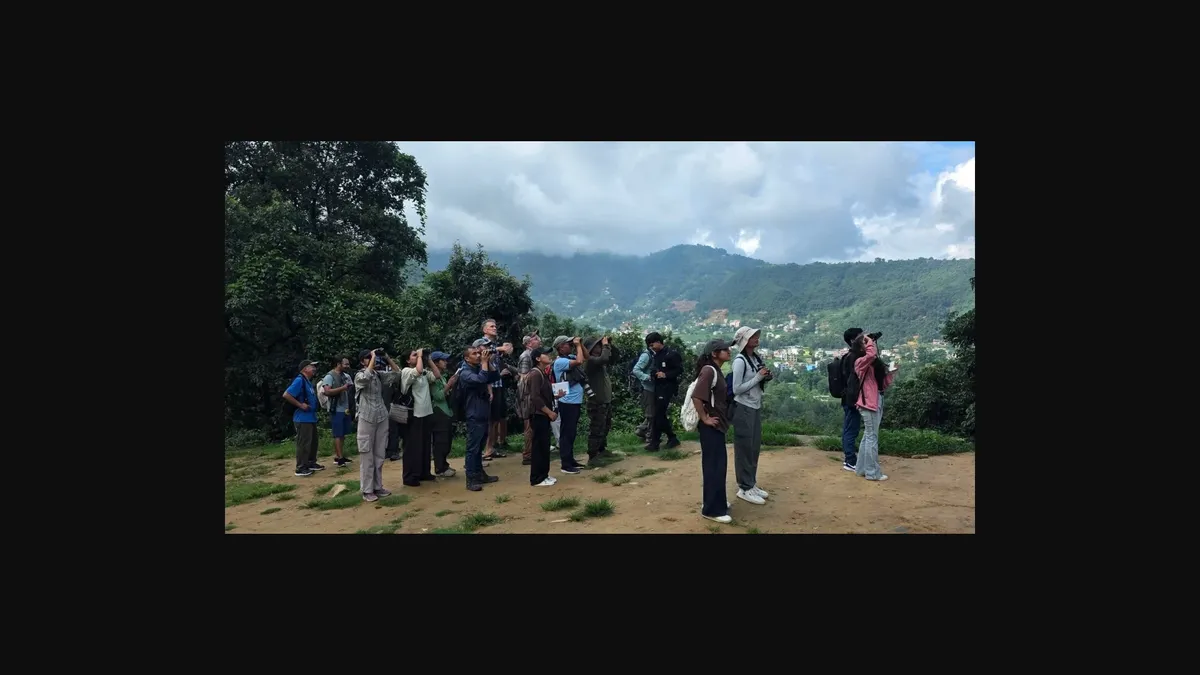
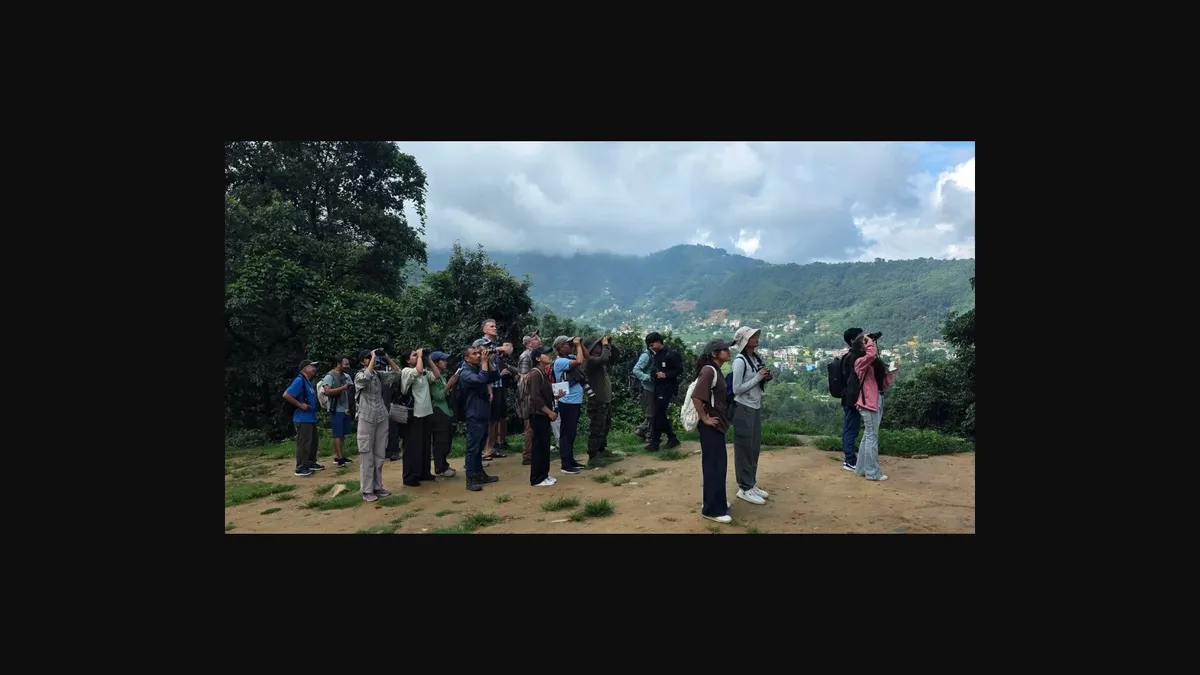
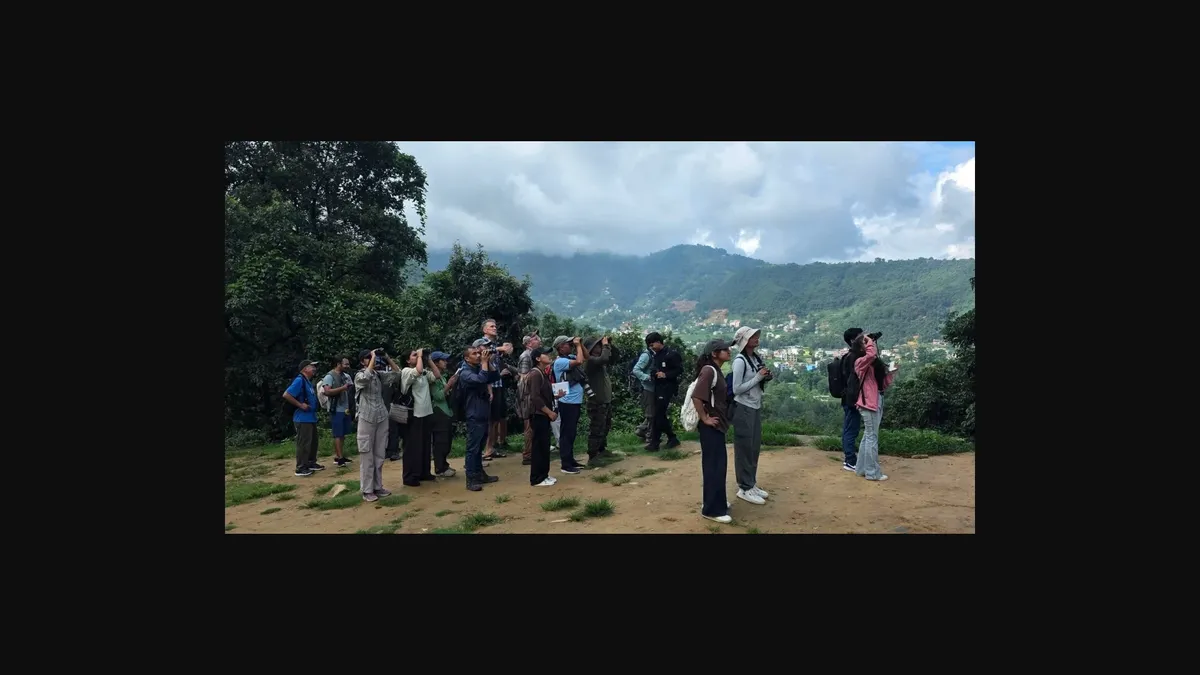
A new study shows that birdwatching is becoming more popular in Nepal, especially with young people. This trend helps biodiversity conservation through public involvement and data collection. In Kathmandu, groups like Bird Conservation Nepal (BCN) and Friends of Birds hold weekend events that attract many birdwatchers.
However, despite its growing popularity, public participation and data sharing are still limited.
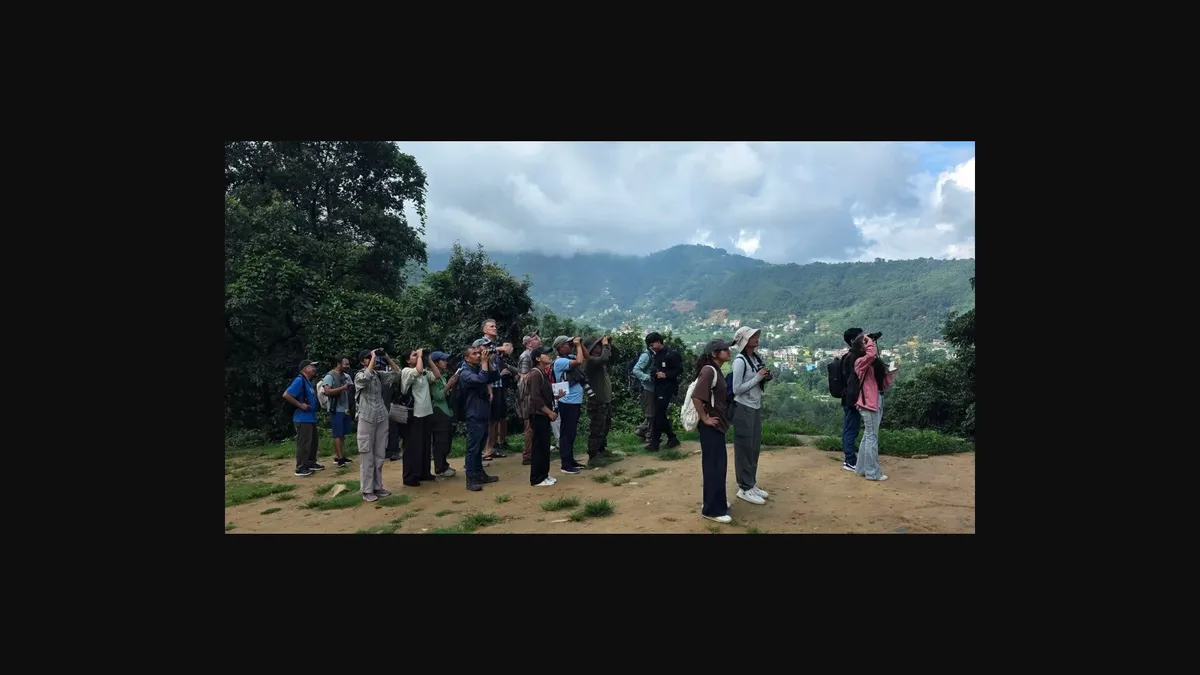
A survey of 135 birdwatchers, led by researcher Kamal Raj Gosai, found that only 37% shared their records with platforms like eBird or conservation groups. About 46% kept their data private.
Hem Bahadur Katuwal, a co-author of the study, explained that many birdwatchers, especially young university students, might not fully understand why data sharing is important for conservation. He said birdwatchers should record their observations, including the species, number of birds seen, and location.
This data helps fill gaps related to bird populations and habitats. It also helps establish trends and assess if birds are in danger when compiling the national Red Data List of birds.
Nepal has over 900 bird species. Forty of these are globally threatened, and 172 are nationally threatened. The country is also home to the spiny babbler (Turdoides nipalensis), which is the only bird species found only in Nepal.
Conservationists like Ishana Thapa, CEO of BCN, say that increasing urbanization and development in Nepal, along with climate change, are harming bird habitats and populations.
A survey along Kathmandu’s Bagmati River corridor between 2021 and 2022 found only 67 bird species. Historically, over 100 species were seen there.
Tiwari noted that large flocks of birds once seen in Koshi Tappu Wildlife Reserve, a prime birdwatching spot, are now much smaller. Duck species like the northern pintail (Anas acuta), gadwall (Mareca strepera), Baer’s pochard (Aythya baeri), and common goldeneye (Bucephala clangula) have decreased significantly due to human activity.
Thapa explained that data from birdwatching groups can record habitat conditions and disturbances. This information helps in advocating for and lobbying to protect bird habitats. Tiwari, as a birdwatcher, shares his data with relevant organizations.
Birdwatcher data helps assess bird species status and document new species. Tiwari actively shares information on eBird and with groups like BCN. He leads Nepal's "species leader" ranking on eBird with 516 sightings. Recently, in 2024, he documented the white-cheeked starling (Spodiopsar cineraceus), Naumann’s thrush (Turdus naumanni), and spotted flycatcher (Muscicapa striata) for the first time in Nepal through photographs.
Tapping into Birdwatching Tourism
Nepal has many resident and migratory birds, from forests around Kathmandu to national parks like Chitwan, Bardiya, and Koshi Tappu. Conservationists and tourism businesses see Nepal as a birdwatching haven, but its potential is largely untapped.
Katuwal’s study suggests that birdwatching can boost local destinations and create economic benefits through tourism. The survey showed that birdwatchers spent up to $260 per trip.
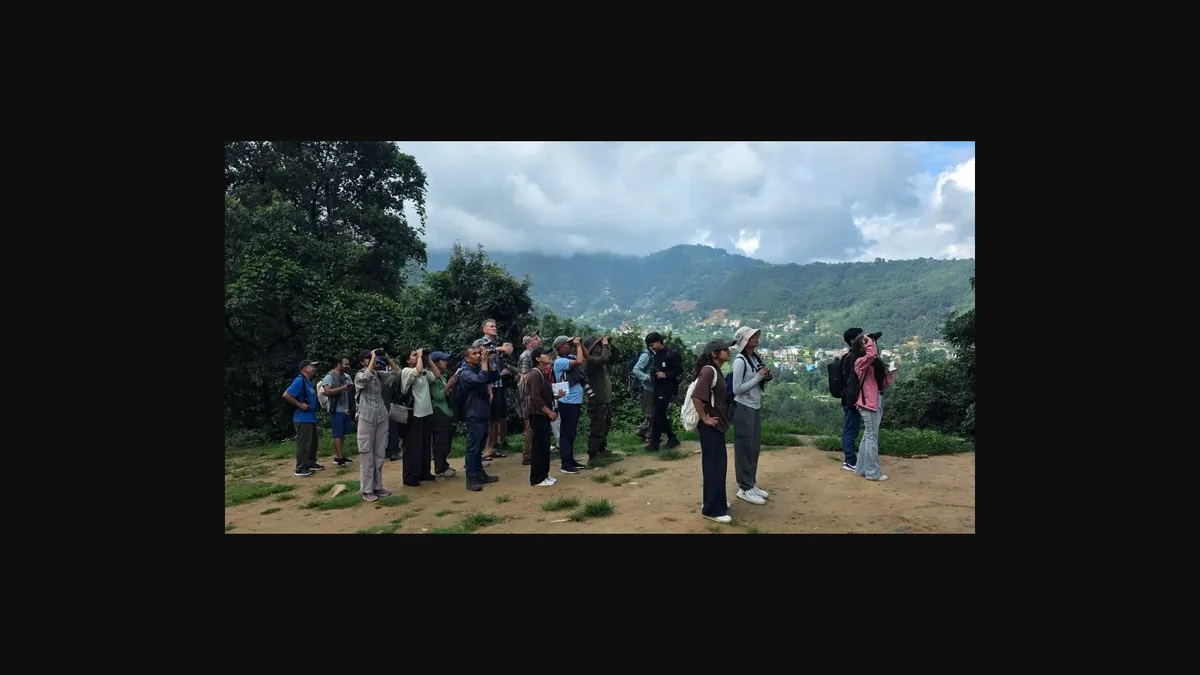
Katuwal pointed out that Nepal has many bird species, but there is no data on birdwatching tourists. Also, Nepal is not promoted as a birdwatching destination.
Thapa from BCN agrees. She believes government bodies should actively promote Nepal for birdwatching, similar to how they promote trekking and religious tourism. She also urged Nepal to participate in international bird fairs. For example, the Nepal Tourism Board promotes Lumbini, Buddha’s birthplace, for religious tourism. They could also promote it for birdwatchers, as it is known for the threatened sarus crane (Antigone antigone).
Thapa said this is a low-investment effort that could greatly benefit the tourism sector. Currently, promotion is mostly done by individuals or private tourism businesses.
Tiwari noted that many birdwatching enthusiasts are making this effort. He founded Travel Nepal, an ecotourism organization for birdwatching tourists. While the numbers are lower than for trekking and sightseeing, he finds it encouraging to see Nepal on global birdwatching lists.
He feels he is playing a small part in promoting bird tourism in Nepal. He also feels he is making amends for his childhood actions. He said, "As kids, we didn’t know, so we killed birds. I’m very remorseful. So now I’m involved in bird conservation, raising awareness and getting more people to see and know about birds.”
Deep Dive & References
Birdwatching in Nepal: Status, Challenges, and Opportunities for Conservation and Tourism - Diversity, 2024