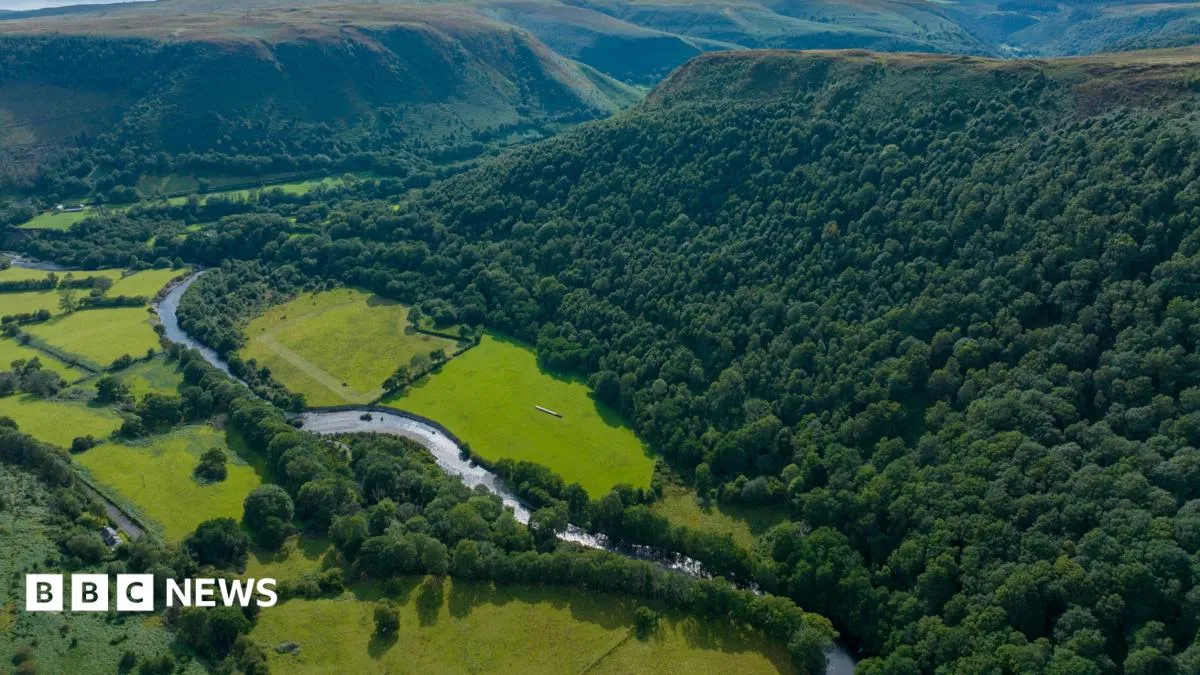
A charity has bought a 96-hectare area in Carmarthenshire, Wales. The RSPB hopes to reconnect two landscapes that are home to rare habitats and wildlife.
The RSPB announced the purchase of this "vital missing link" by the River Tywi. This area sits between two parts of the bird conservation charity's Gwenffrwd-Dinas nature reserve in the Elenydd.
Reconnecting Habitats for Wildlife
This purchase will allow conservationists to reconnect the fragmented landscape. This is the first time in 60 years these areas will be linked. It will help wildlife move across different areas, creating stronger, more diverse, and sustainable ecosystems.
We're a new kind of news feed.
Regular news is designed to drain you. We're a non-profit built to restore you. Every story we publish is scored for impact, progress, and hope.
Start Your News DetoxThe landscape has important habitats. These include rare Atlantic oak woodlands, also called Celtic rainforests, as well as ffridd (upland fringe), ancient woodland, and peat bogs.
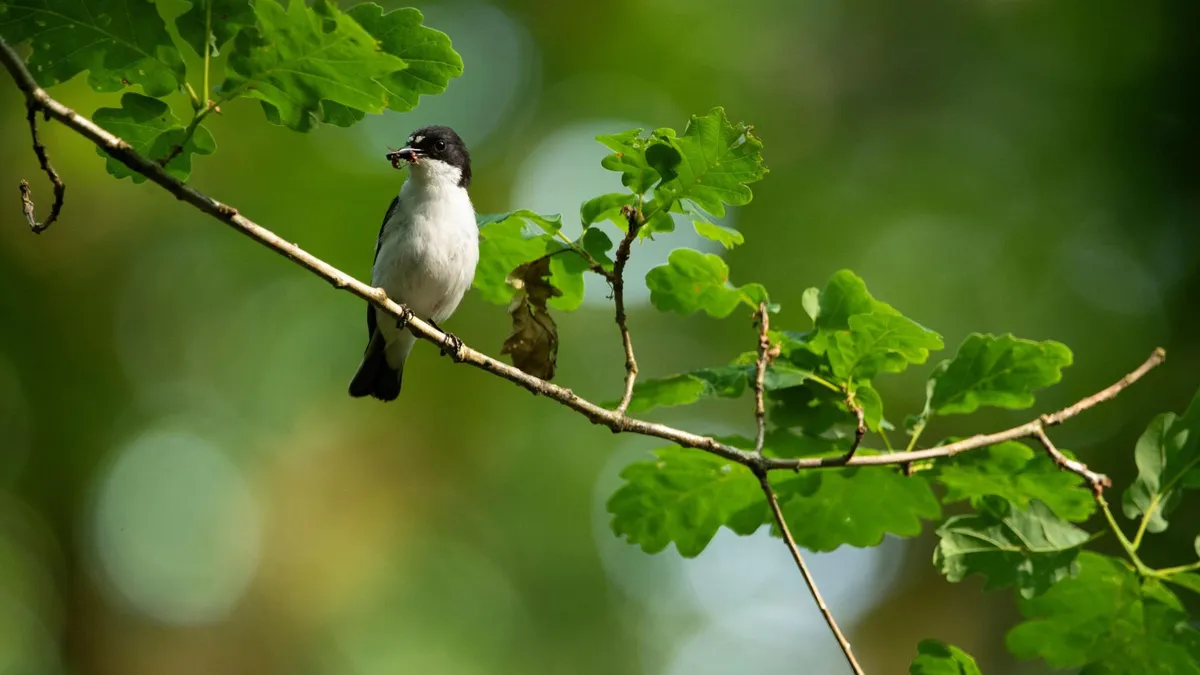
RSPB Cymru said better connections between these habitats will greatly benefit pied flycatchers. These summer migrant birds thrive in oak woodlands. Other wildlife, like endangered hen harriers, cuckoos, wood warblers, pine martens, and whinchats, will also benefit.
The Gallt-y-bere purchase was made possible by a loan and donations from thousands of people.
Jonathan Cryer, site manager at RSPB Gwenffrwd-Dinas, called Gallt-y-bere a "truly magical place." He is excited to expand and improve its rare habitats and wildlife. He noted that securing this site is a great chance to strengthen ancient woodland, restore upland habitats, and help rare wildlife thrive.
A Resilient Future for Wales' Wildlife
The reserve is now large enough to support breeding hen harriers. These "red-listed" birds are sometimes seen in the area but have not bred there recently.
The RSPB has worked at Gwenffrwd-Dinas for over a century. They first helped the Kite Committee protect red kites. Later, they bought land to protect vulnerable habitats and wildlife.
With Gallt-y-bere now protected, RSPB Cymru is taking another step to create a more resilient future for Wales' wildlife.
Surveys this summer, funded by Natural Resources Wales, will identify all habitats and species on the new land. This information will guide future management. Existing wildlife-rich grasslands may be expanded, helping plants and wildlife like whorled caraway and wood bitter-vetch.
The charity also plans to work with local farmers. They want to show how nature recovery and sustainable farming can work together across the landscape.
RSPB Cymru plans to work with local communities and partners to restore and protect this newly connected landscape. Their goal is to support wildlife for many generations to come.