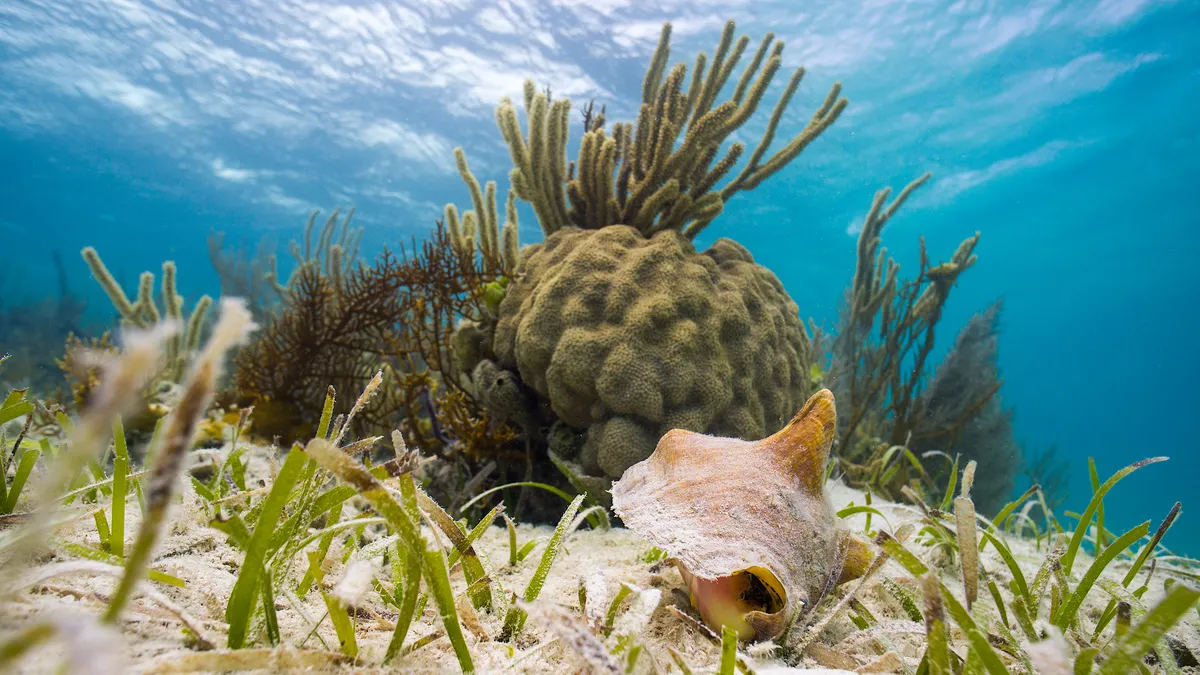
For the first time ever, scientists have created a detailed global map of seagrass, those unassuming underwater plants that are quietly doing the heavy lifting for our oceans. The takeaway? We have a lot more seagrass than we thought, and we're protecting almost none of it. Because apparently, the ocean's most vital carbon sink just isn't getting the respect it deserves.
Turns out, nearly 70% of all seagrass meadows are chilling off the coasts of just five countries. Yet, a measly 21% of these crucial underwater ecosystems are inside marine protected zones. Let that sink in. We know where the good stuff is, and we're mostly just... letting it be.
How AI Found the Ocean's Green Gold
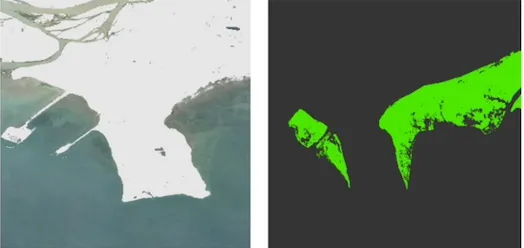
Researchers at Arizona State University, clearly tired of the ocean's secrets, deployed satellite images and artificial intelligence to bring us this aquatic revelation. They peered at seagrass cover across two periods (2019-2020 and 2023-2024), effectively giving us a fresh pair of glasses to see the seabed.
We're a new kind of news feed.
Regular news is designed to drain you. We're a non-profit built to restore you. Every story we publish is scored for impact, progress, and hope.
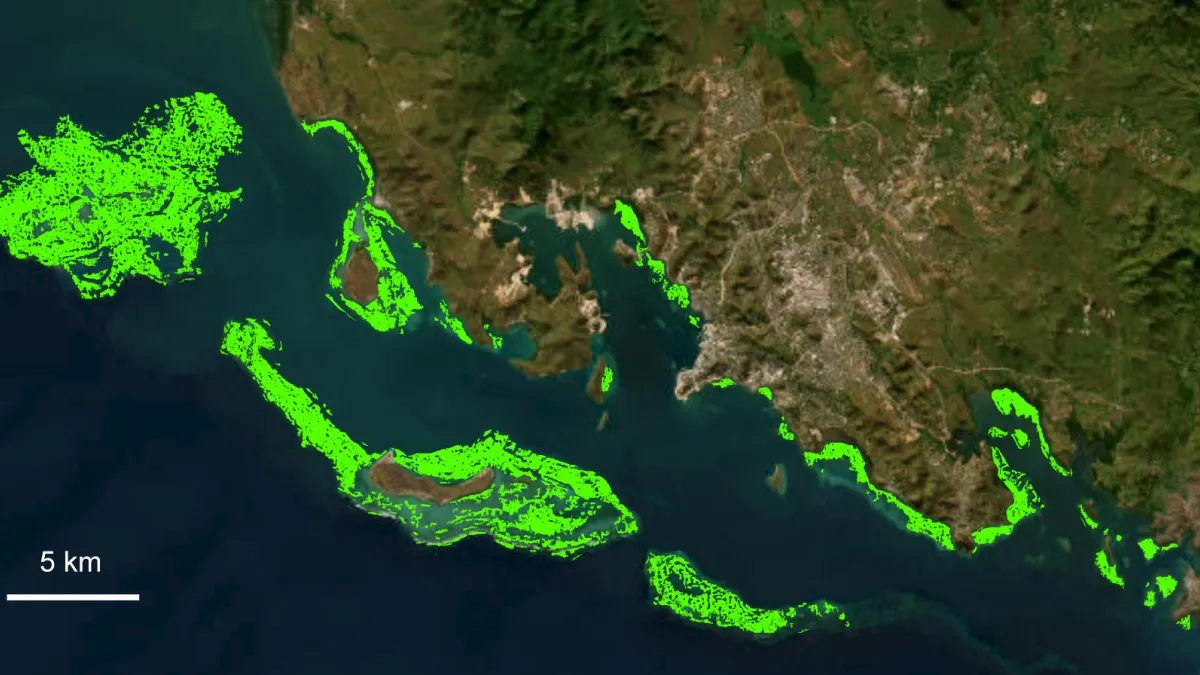
Start Your News DetoxWhat they found was a staggering 148,506 square kilometers (or 57,340 square miles) of seagrass globally. If you're struggling to visualize that, it's an area larger than England. Most of it lives in subtidal areas, meaning it's permanently submerged, doing its quiet work away from our coastal gaze. Jiwei Li, an assistant professor at ASU’s School of Ocean Futures, led the charge, telling Mongabay their goal was pinpoint accuracy. Because you can't protect what you can't find. The findings, by the way, landed in the journal Nature — because of course they did.
Why We Should All Care About Underwater Grass
Seagrasses are the only flowering plants that decided the ocean was a better place to live. They form vast, lush meadows in shallow waters, creating bustling underwater nurseries for all sorts of marine critters. Think of them as the ocean's unsung heroes, providing both shelter and snacks.
But wait, there's more. These green giants are also carbon-absorbing superstars, sucking up carbon dioxide 35 times faster than actual forests on land. They're also quite handy for protecting coastlines from erosion and acting as natural filters, cleaning pollutants out of the water. So, next time you're near the coast, maybe spare a thought for the underwater lawns doing all the heavy lifting. They're literally keeping us afloat, and it’s about time we started returning the favor.