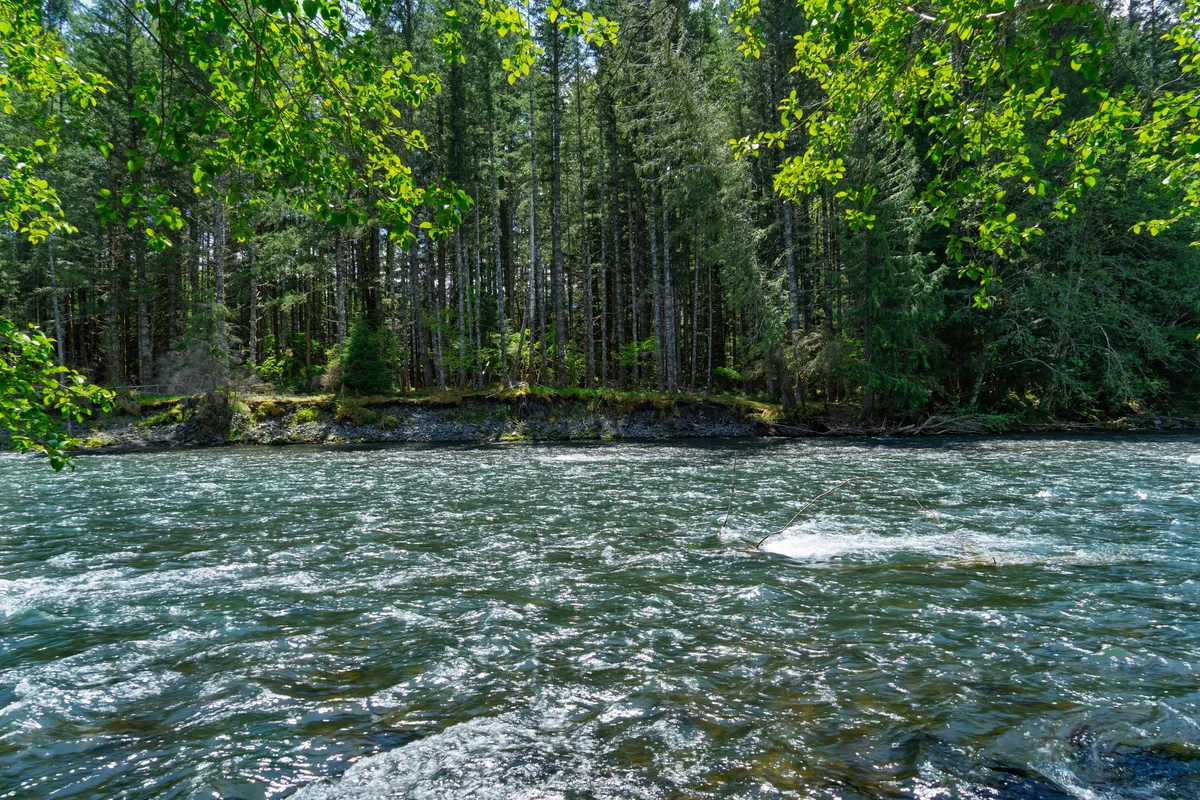
For ages, counting wild animals was less science, more guesswork. Two experts could wade into the same river, emerge hours later, and hand you wildly different lists of who lived there. This made comparing notes globally about as easy as herding cats. Aquatic cats.
Then along came Dimple Patel, CEO of NatureMetrics, who looked at this mess and thought, There has to be a simpler way. Her company found it: a single bottle of water. Suddenly, wildlife censuses became something a five-year-old could do.
The Ultimate Genetic Breadcrumb Trail
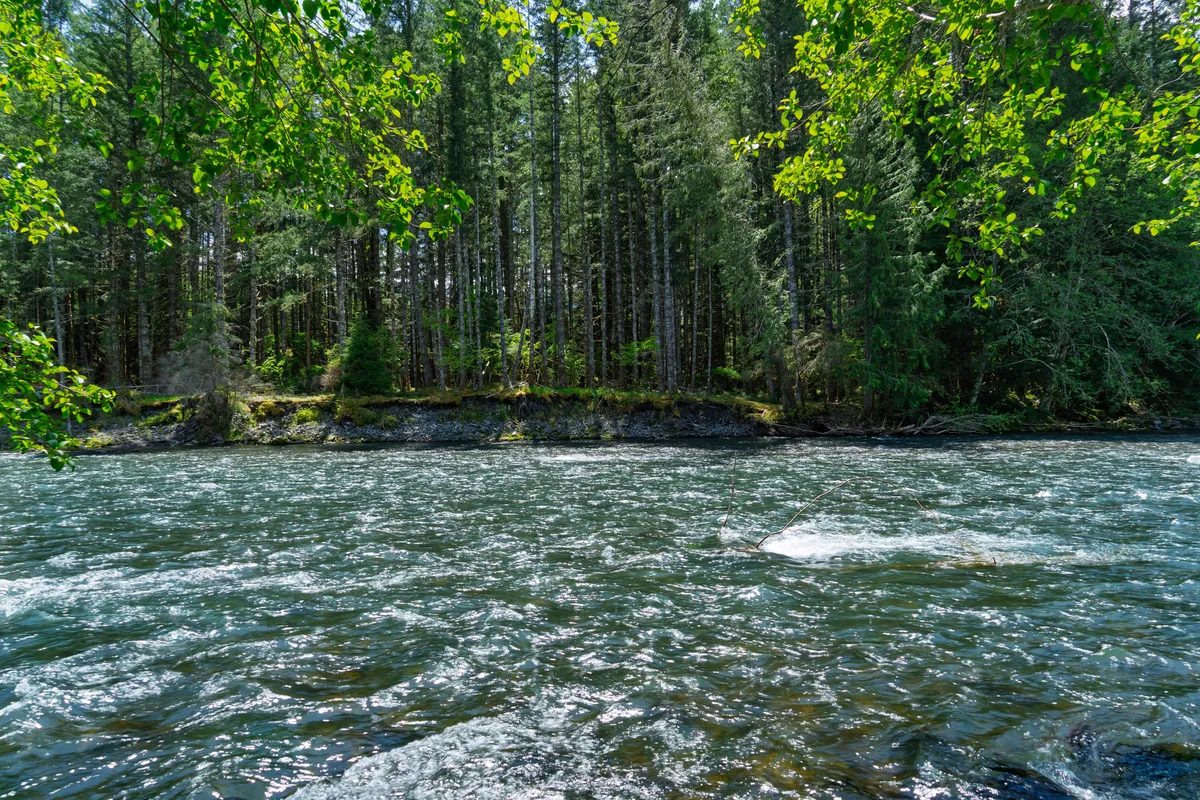
Turns out, every creature near a water source is a bit of a slob. They shed skin cells, leave behind saliva, and generally sprinkle their genetic material into the water, where it can hang out for weeks. This is environmental DNA, or eDNA. And here's the kicker: one liter of river water holds enough eDNA to identify every species that's recently passed through, from fish to amphibians to mammals and even insects.
We're a new kind of news feed.
Regular news is designed to drain you. We're a non-profit built to restore you. Every story we publish is scored for impact, progress, and hope.
Start Your News DetoxNatureMetrics sends out these delightfully simple sampling kits worldwide. You fill a bottle, filter the water, and send the filter back to a lab. There, DNA sequencing tech (the same kind forensic scientists use to catch bad guys) goes to work, mapping those genetic traces back to specific species. No traps, no nets, no disturbing the ecosystem. Just a very accurate, very rich, and surprisingly cheap data dump.
Why This Matters More Than You Think
Since 1970, freshwater species populations have plummeted by a staggering 84%. And it's not just about the cute otters; over half the global economy relies on nature. Damaged soil threatens our food. Lost natural flood barriers leave communities vulnerable. Before eDNA, measuring these changes accurately and consistently across continents was basically impossible.

NatureMetrics has now processed samples in 116 countries and partnered with over 600 organizations. This year alone, they surveyed a whopping 10% of Earth's surface using eDNA. Their platform maps species, tracks changes over time, and even tells you if those expensive restoration efforts are actually working.
Their client list is as varied as the species they track: conservation giants like WWF, sure, but also mining companies, energy producers, and agricultural businesses. Even consumer goods companies are using the data to understand the bacteria and fungi vital for food production. Patel sums it up perfectly: "How can we on a biological level help nurture the soil that is going to continue to give us food for the next 50 years?"
Nature Gets a Seat at the Boardroom Table
NatureMetrics was even a finalist for the Earthshot Prize, which, as Patel notes, tends to "open a lot of doors," especially when you're trying to convince industries to change their ways. It’s a stamp of approval from independent experts, proving the science is solid.

Patel isn't content with eDNA just being a field science tool. She wants biodiversity to be a standard consideration in corporate boardrooms, right alongside assets and debts. She believes nature should appear on company balance sheets, forcing organizations to value their impact on the natural world and account for it in their decisions.
The data to make this happen already exists. The real challenge, of course, is convincing those large companies to actually use it. But with a bottle of water, Patel is aiming to "give nature a spot in the boardroom." Which, if you think about it, is both impressive and slightly terrifying for anyone who prefers to ignore the ecosystem outside their window.