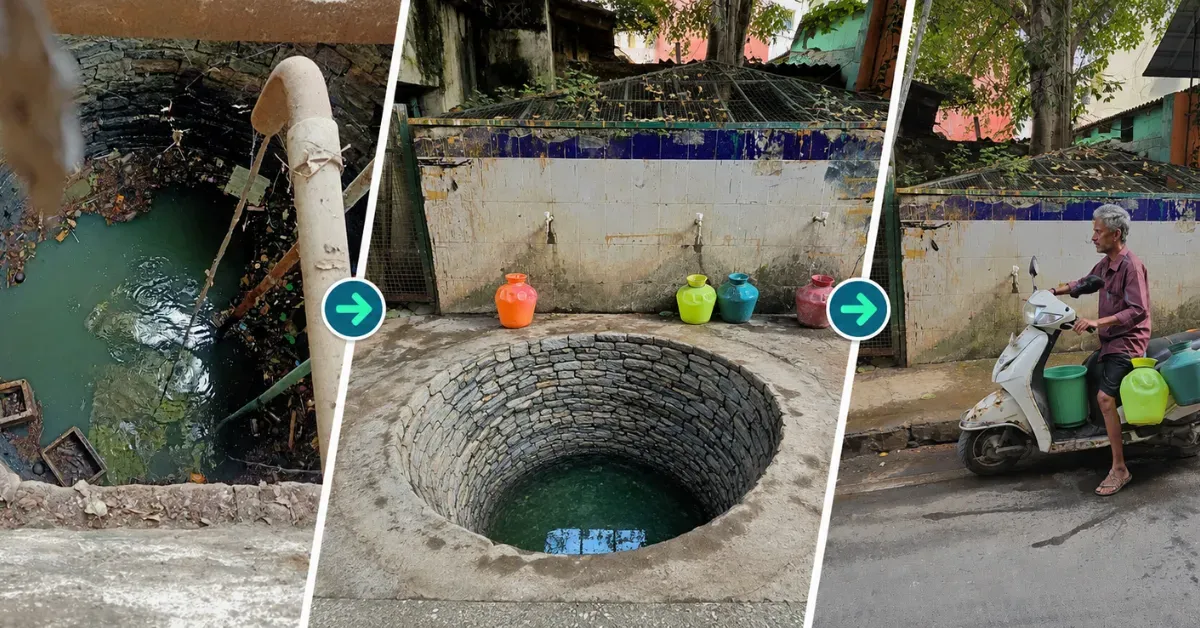
In Bengaluru's Sampangiram Nagar, there once sat a circular stone well. For years, it was less a well and more a monument to urban neglect — a gaping maw filled with plastic, broken concrete, and a general sense of nope. Most people steered clear, seeing it as a trash heap, not a water source.
Today, that same well is a daily lifeline. We're talking cooking, cleaning, the whole nine yards. When the municipal tap runs dry (which, let's be honest, is a frequent occurrence in Bengaluru), this well steps up. Even in the scorching Indian summer, it keeps flowing.
It’s a hopeful, slightly ironic solution for a city constantly battling water woes: look to the past. Specifically, to the giant, ancient holes in the ground we used to rely on.
We're a new kind of news feed.
Regular news is designed to drain you. We're a non-profit built to restore you. Every story we publish is scored for impact, progress, and hope.
Start Your News DetoxThe Great Un-Dumping
For decades, Bengaluru went all-in on borewells. Water became an out-of-sight, out-of-mind convenience. You just turned a tap, and poof — water. The problem? Borewells don't tell you how much water is actually left until they start sputtering air. Open wells, however, are honest. They show you the water level, a direct report on the health of your local groundwater.
Turns out, those open wells tap into shallower, rain-fed aquifers. Clean them up, fix the walls, keep the garbage out, and suddenly they're not just useful; they're essential. They provide local water and help recharge the very ground they sit in.
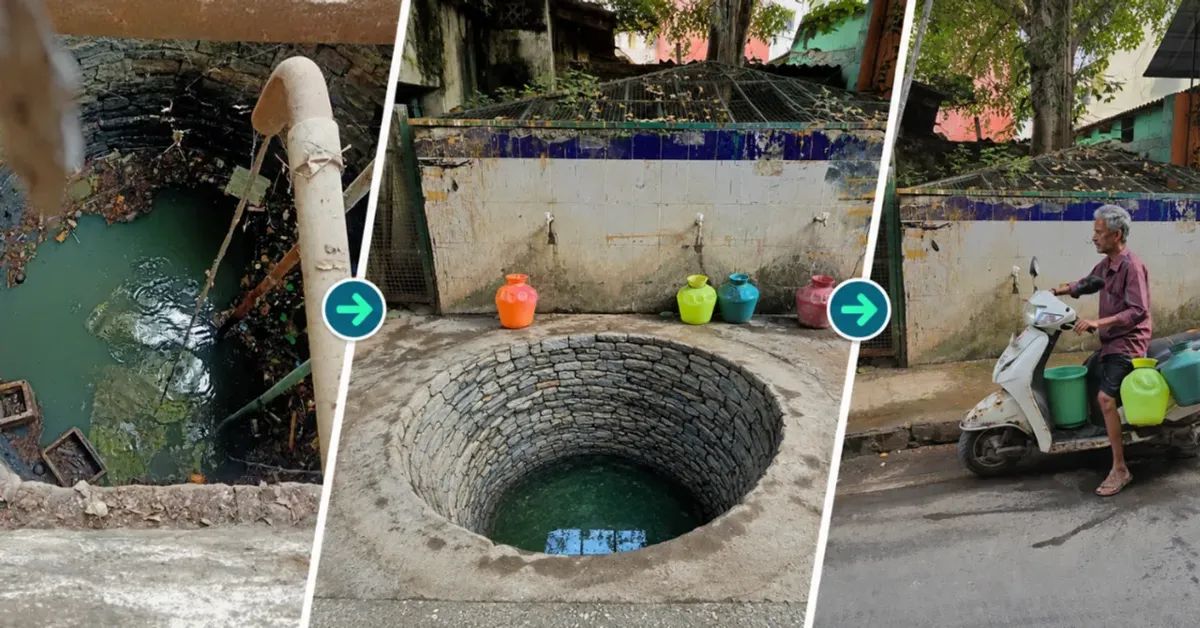
The Sampangiram Nagar well's glow-up wrapped in 2022, spearheaded by the SayTrees Environmental Trust. Corporate funding helped, and now SayTrees, local residents, and city officials are its proud parents. Which is good, because this was no small task.
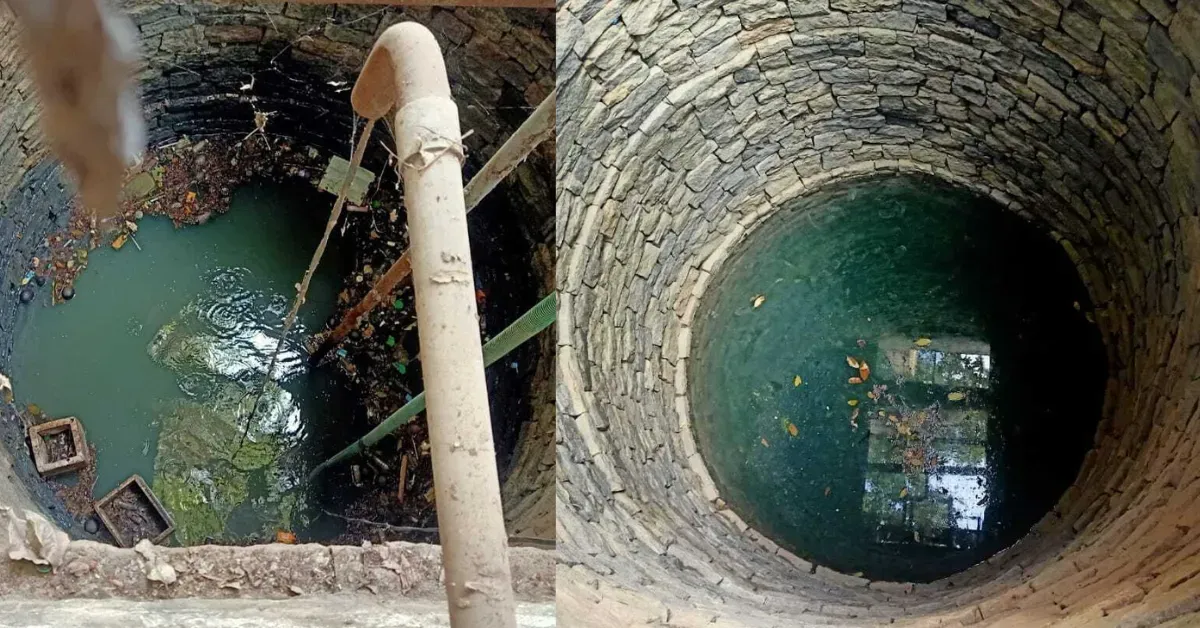
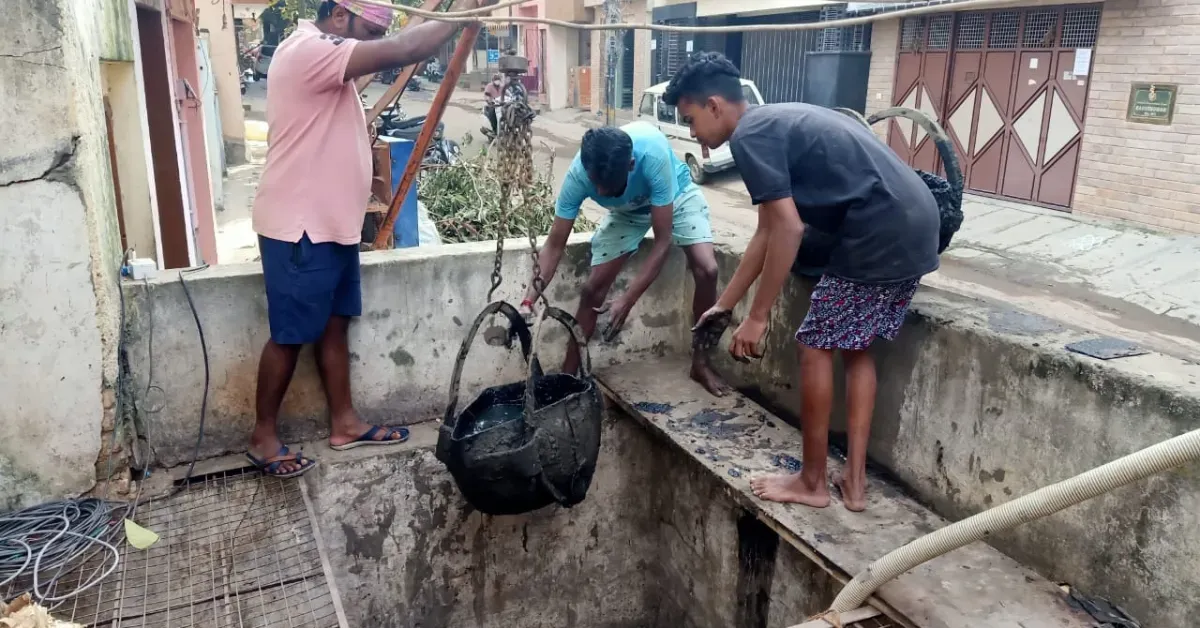
This well is seven feet wide and 40 feet deep. It was essentially a time capsule of trash. Workers had to pump out all the water just to get to the bottom, then used manual labor and cranes to haul out years of sludge. The stone walls were repaired, the old grill cover replaced with a sleek, sloped canopy to keep debris out. Then, a little alum, potassium permanganate, and calcium got the water sparkling.
Now, it holds over 43,000 liters. More than 1,000 liters are drawn daily through a public tap. The formula? Remove, desilt, repair, protect, treat, connect. Simple, yet profoundly impactful.
For residents like Shrinivas, a shop owner who’s seen 40 summers in the area, the difference is night and day. City water is unreliable, so local sources are key. He notes the well has made a "meaningful difference to our daily lives."
Another resident, Vijay Kumar, remembers the well working perfectly decades ago, never truly drying up, even in droughts. That memory, apparently, was enough to keep hope alive, even when the well was a glorified landfill.
Across Bengaluru, water tankers are a common sight, ferrying water from rural areas at great expense and environmental cost. Restored wells cut down on that need, providing local water for everything from gardening and construction to, yes, drinking after a bit of filtering.
It's not just practical; it's emotional. Tanker water makes people see water as a product. An open well, however, reconnects them to the source. You see the levels, you understand the rain, you get why groundwater recharge matters. Many projects now include rainwater harvesting, ensuring monsoon runoff actually stays in the ecosystem instead of just flushing into drains.
This isn't just about a well; it's a climate response. SayTrees has restored over 50 lakes and 30 traditional wells across India, creating over 5 billion liters of water storage. Bengaluru swings from floods to droughts, and these traditional systems tackle both: holding water, supporting recharge, reducing runoff, and helping soil retain moisture.
In places like Sampangiram Nagar, the well has brought back a shared public space. For older residents, it's a nostalgic nod to local water sources. For younger ones, it’s a tangible lesson that solutions aren't always high-tech; sometimes, they're just 40 feet deep and under your nose.
One resident, who now hauls six buckets of water from the well daily, put it simply: it's "the difference between having water and running out of it." Let that sink in.