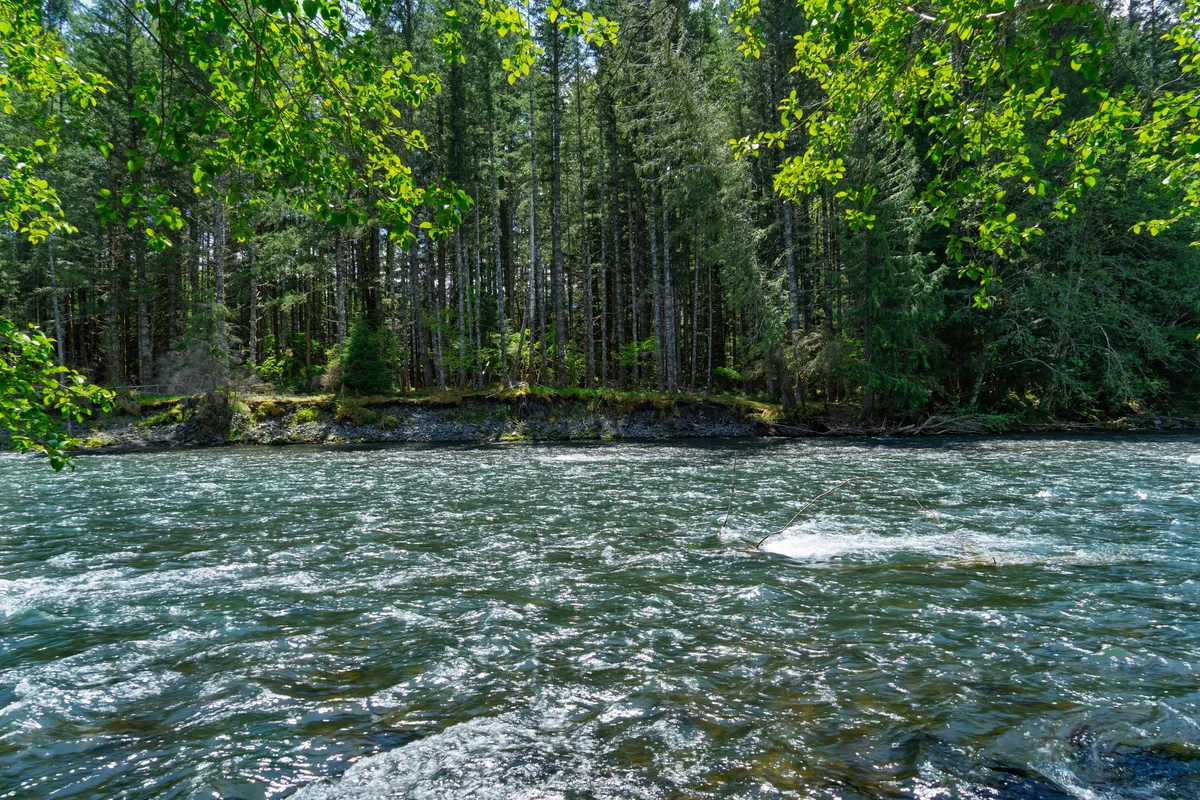
For years, a stretch of land near the North Fork Toutle River in Washington state was known as "the wasteland." It was a grim, gray canvas of volcanic ash and runoff, courtesy of Mount St. Helens' dramatic 1980 eruption. Imagine a landscape so desolate, it earned its nickname simply by existing.
Then, in 1989, the U.S. Army Corps of Engineers decided to play God with sediment, building a massive retention structure downstream. They even raised it again in 2013, because apparently, you can never have too much engineering. This dam was supposed to keep shipping lanes on the Columbia River clear and protect nearby towns from the ongoing deluge of volcanic debris. Instead, it created an unintended consequence: a monumental pile-up of volcanic material right next to the Smith family's property.
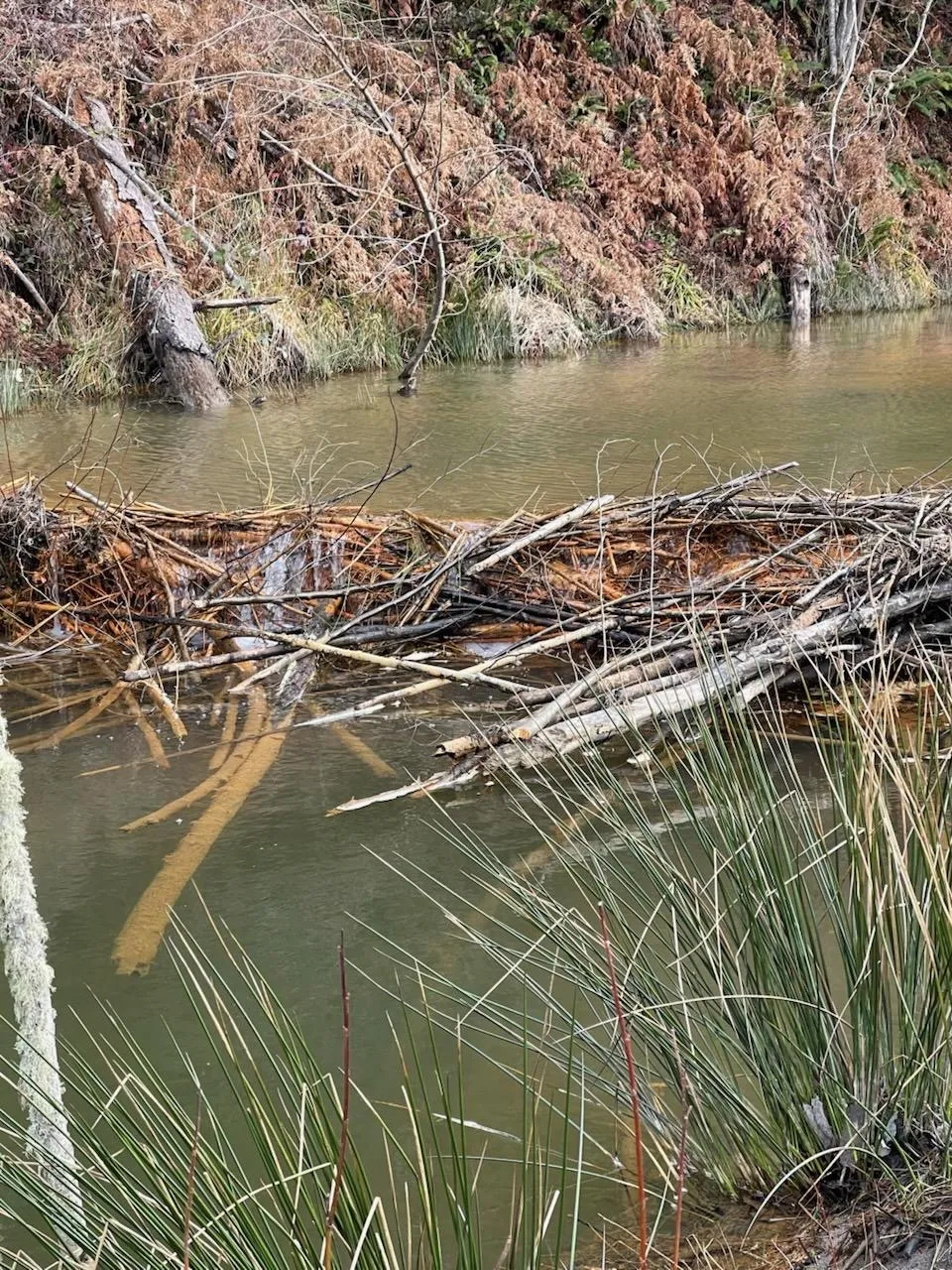
Mark Smith, who runs the Eco Park Resort—an 80-acre lodging and campground that's basically the closest you can get to the volcano without wearing a hard hat—described seeing a "big gray sediment dune of no life, just ash" stretching for miles. He hosts scientists and restoration ecologists regularly, so he knows a thing or two about ecological recovery, or the lack thereof. For decades, it was just… ash.
We're a new kind of news feed.
Regular news is designed to drain you. We're a non-profit built to restore you. Every story we publish is scored for impact, progress, and hope.
Start Your News Detox