Roads. We love them, we need them, and if you're a squirrel, they're basically a death trap designed by a madman. For bigger creatures, they're not just dangerous; they slice up habitats, turning vast wilderness into a series of disconnected, precarious islands. But here's where the smart folks step in.
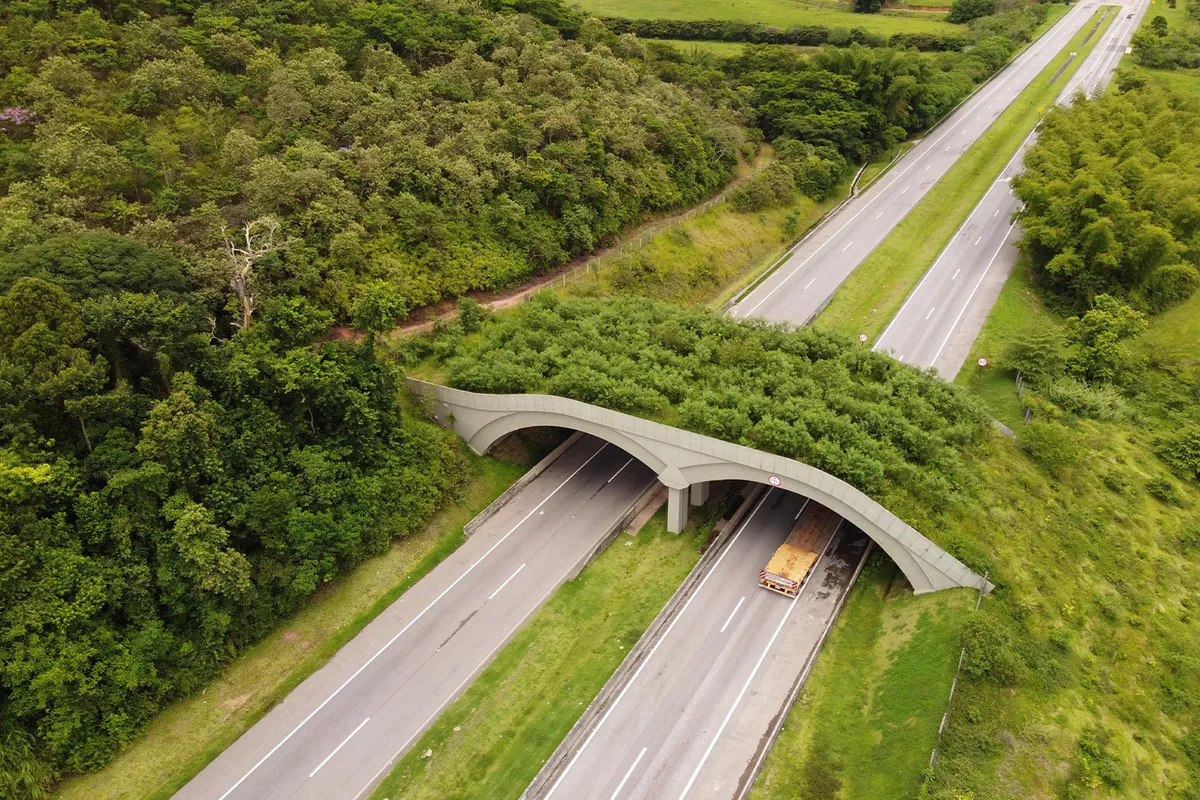
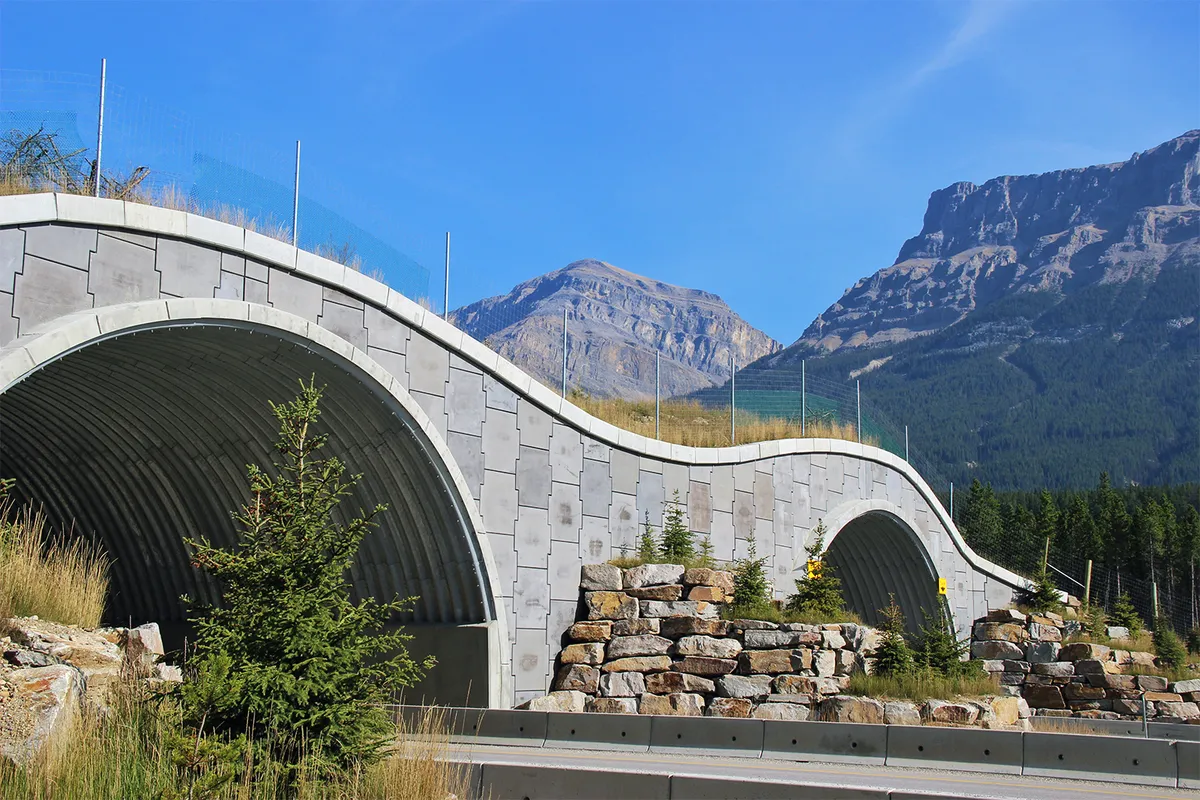
Ecologists and engineers, bless their clever hearts, are literally building bridges (and tunnels) to reconnect the wild. Think massive overpasses that look like green hills, or underpasses wide enough to host a badger convention. And yes, they come with strategically placed fences to gently nudge Bambi away from oncoming traffic.
Turns out, this isn't just a nice idea; it's working.
Colorado recently unveiled a beast of an overpass near Greenland, a whopping 200 feet wide. It's one of the biggest on Earth and is projected to slash animal deaths on a particularly busy stretch of I-25 by a staggering 90%. Let that satisfying number sink in.
We're a new kind of news feed.
Regular news is designed to drain you. We're a non-profit built to restore you. Every story we publish is scored for impact, progress, and hope.
Start Your News DetoxMeanwhile, California is going big with the Wallis Annenberg Wildlife Crossing, a structure that will let mountain lions (among others) saunter right over the 10-lane U.S. 101 freeway. Because apparently, that's where we are now: building overpasses for pumas. Which, if you think about it, is both impressive and slightly terrifying.
But this isn't just about giving critters a safer commute. It's also making roads safer for us and saving a frankly absurd amount of money. Deer collisions alone kill roughly 440 drivers annually in the U.S. and cost the economy over $10 billion a year. That's a lot of crumpled fenders and insurance headaches.
Other countries are getting in on the act too. Croatia has a mountain highway that's practically an animal resort. India is experimenting with "red roads" to gently slow down drivers in wildlife zones. And in Sri Lanka, they're using simple rope bridges, because sometimes, all you need is a good rope and a dream. Who knew animal infrastructure could be so varied?