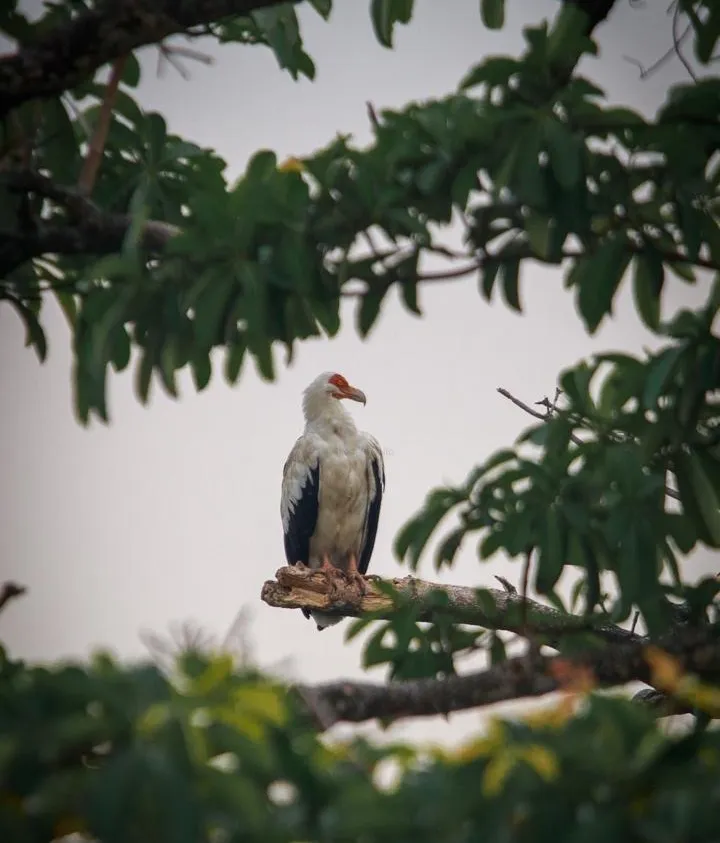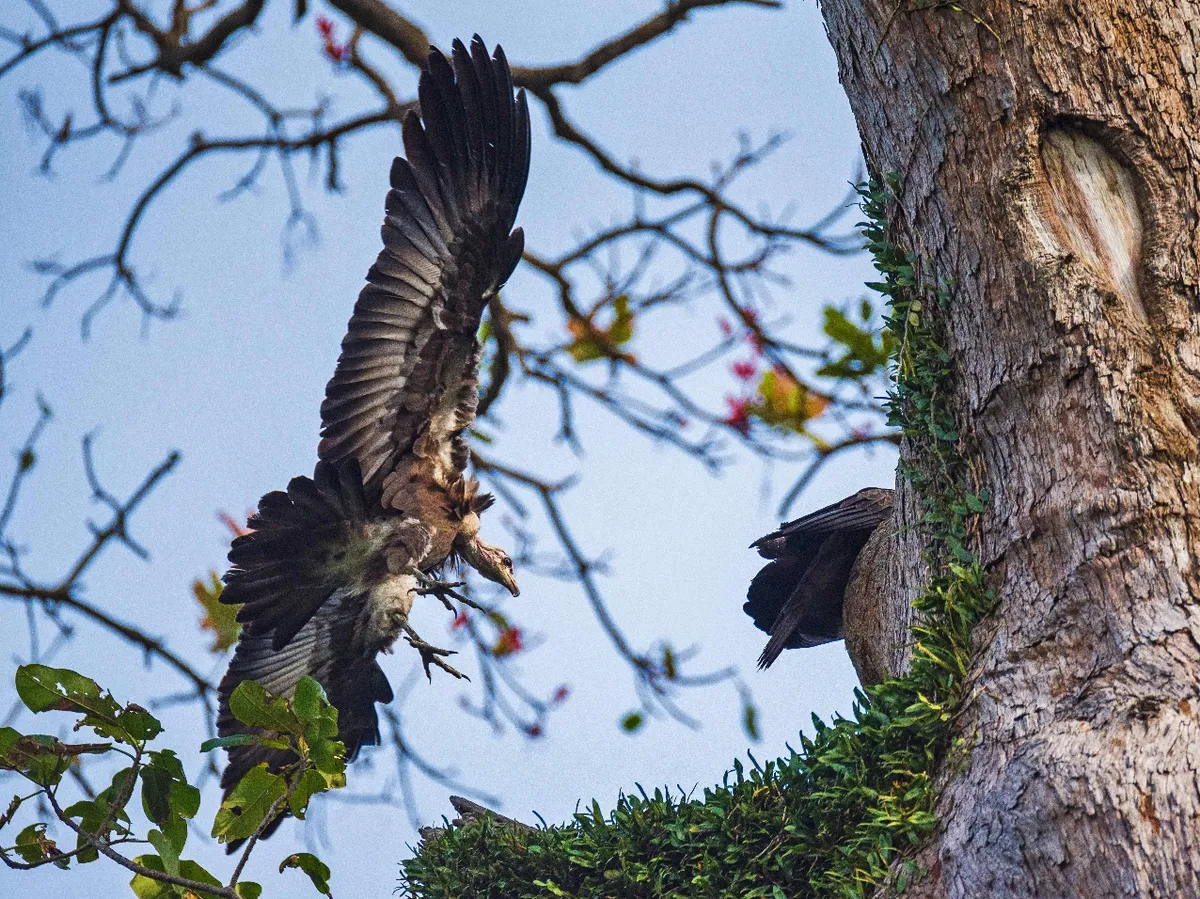
Vultures: nature's unsung, slightly grotesque sanitation workers. They swoop in, clean up the messy bits, and keep diseases from turning into full-blown epidemics. You'd think we'd be throwing parades for these avian heroes. Instead, they're currently among the most endangered bird groups on Earth, especially in West Africa.
Nigeria, for instance, has seen its vulture populations absolutely plummet. Why? Mostly poaching and a rather persistent belief that various vulture parts make for potent traditional medicine. It's a tough break for a bird that just wants to eat carrion and chill.
The Disappearing Act
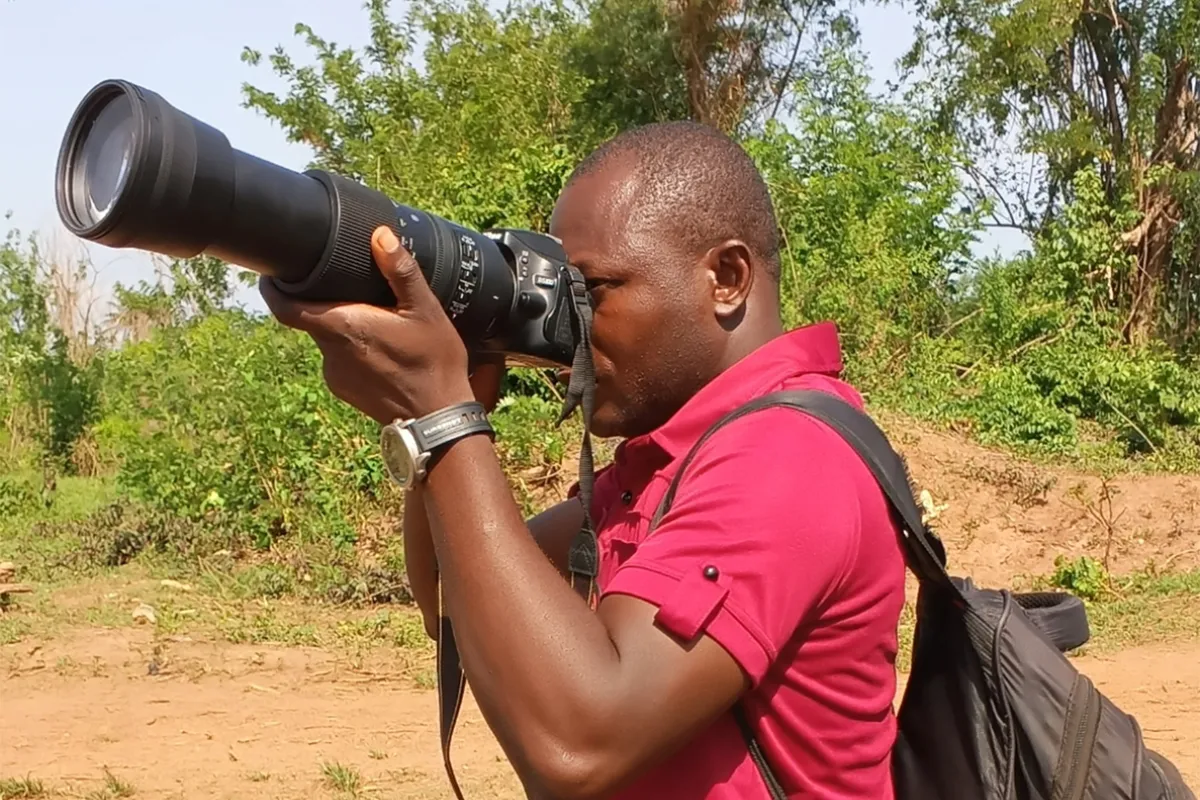
Michael Manja Williams, an ornithologist who grew up in Nigeria's Plateau State, remembers a time when vultures were just... everywhere. "All of a sudden, we no longer saw them again," he recounts, which, if you think about it, is both a stark observation and a pretty solid origin story for a conservationist.
We're a new kind of news feed.
Regular news is designed to drain you. We're a non-profit built to restore you. Every story we publish is scored for impact, progress, and hope.
Start Your News DetoxThat sudden disappearance ignited Williams's passion, sending him on a research quest across Nigeria. Now a Ph.D. student at Joseph Sarwuan Tarka University and the coordinator for endangered species conservation at Biota Conservation Hub Foundation, he's basically Nigeria's go-to guy for vanishing birds and wildlife.
Williams's field studies have unearthed something rather interesting: younger generations in Nigeria are starting to see vultures differently. They're less swayed by the traditional beliefs that have, frankly, been pretty rough on the birds. This shift, combined with some smart policy changes and community-led conservation efforts, could be the unexpected lifeline Nigeria's vultures desperately need. Because a world without nature's clean-up crew is a world we probably don't want to live in.