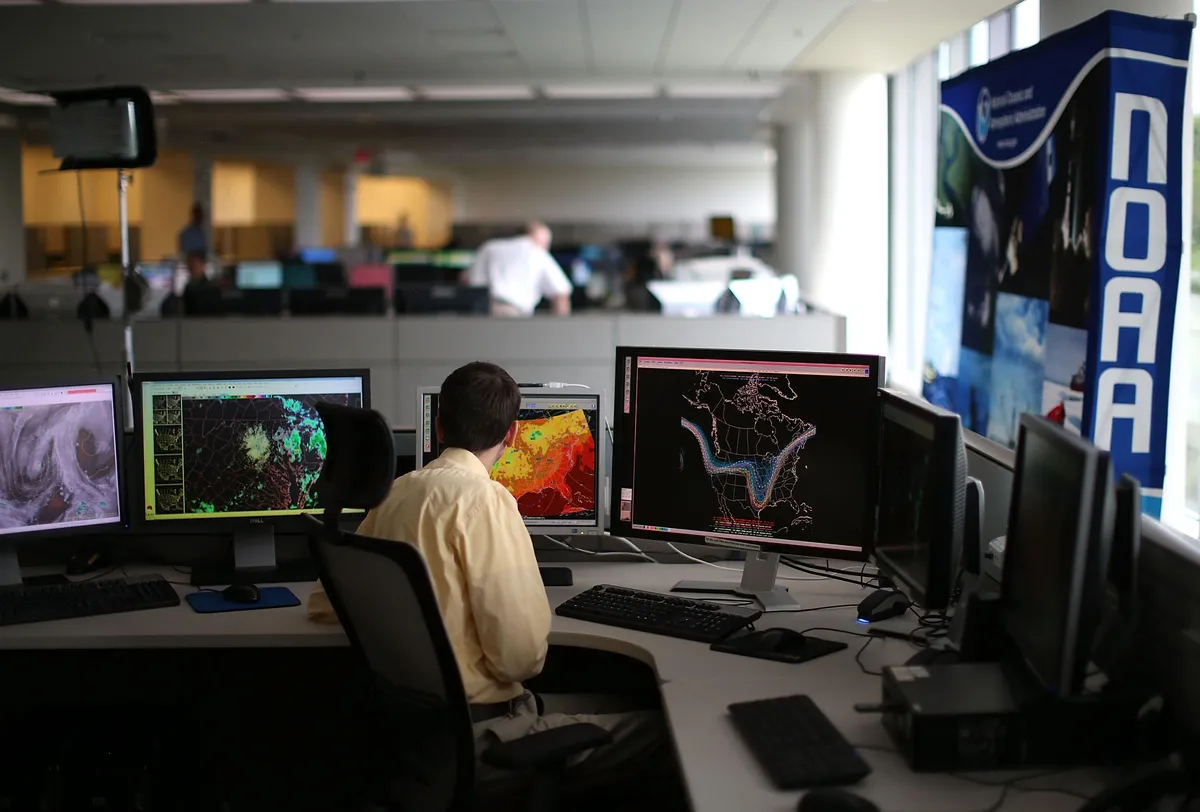
When Rebecca Lindsey was unceremoniously fired from the National Oceanic and Atmospheric Administration, her first thought wasn't about her next job. It was about the climate data she'd spent 15 years curating. This week, she and her colleagues proved that expertise, once unleashed, rarely stays down for long.
The Climate Data Diaspora Finds a Home
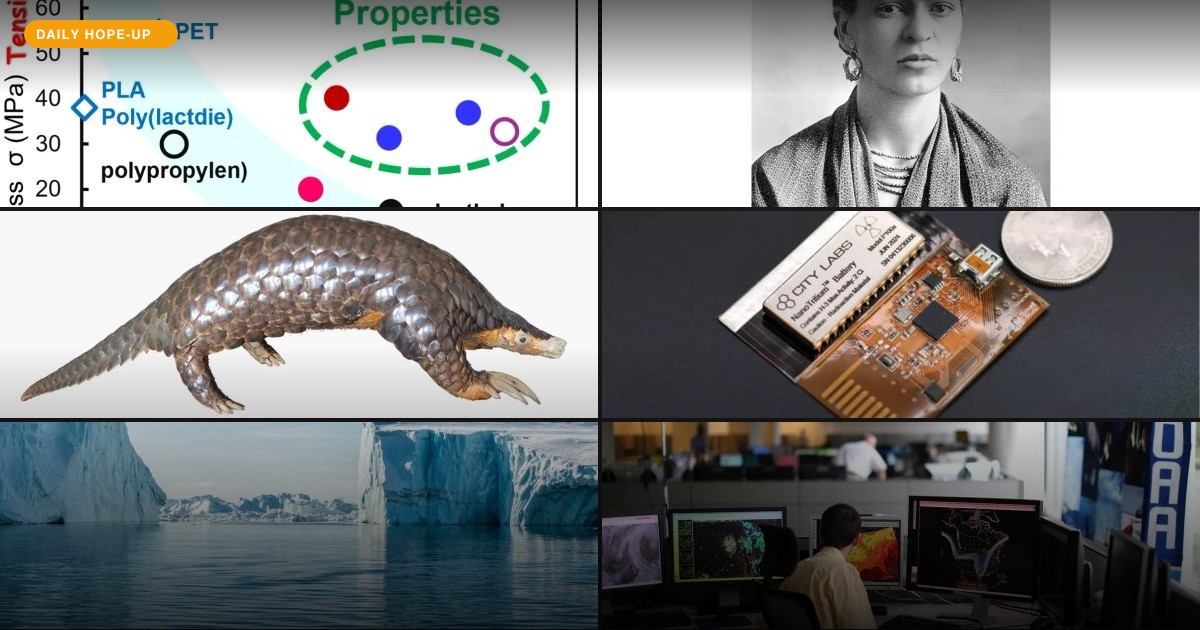
After the Trump administration shuttered Climate.gov in 2025, erasing years of meticulously compiled data, a group of former government scientists, including Lindsey, decided they weren't going to let that work vanish into the digital ether. They relaunched the critical online platform as Climate.us, not just recovering 15 years of climate-related information, but creating a new, independent archive. Meanwhile, other scientists were busy building a plan to make climate science harder to erase, essentially future-proofing our collective understanding of a changing planet. It’s a stark reminder that even when institutions falter, the people committed to truth often find a way to rebuild.
What this means for you: If you've been worried about the stability of vital scientific information, this week showed that the data stewards are fighting back, hard.
We're a new kind of news feed.
Regular news is designed to drain you. We're a non-profit built to restore you. Every story we publish is scored for impact, progress, and hope.
Start Your News Detox"Climate.us is now home to 15 years’ worth of climate-related information, including data sets, research papers, news articles, and educational materials previously housed on Climate.gov." — Read the full story
New Species, New Materials, New Ways to Survive
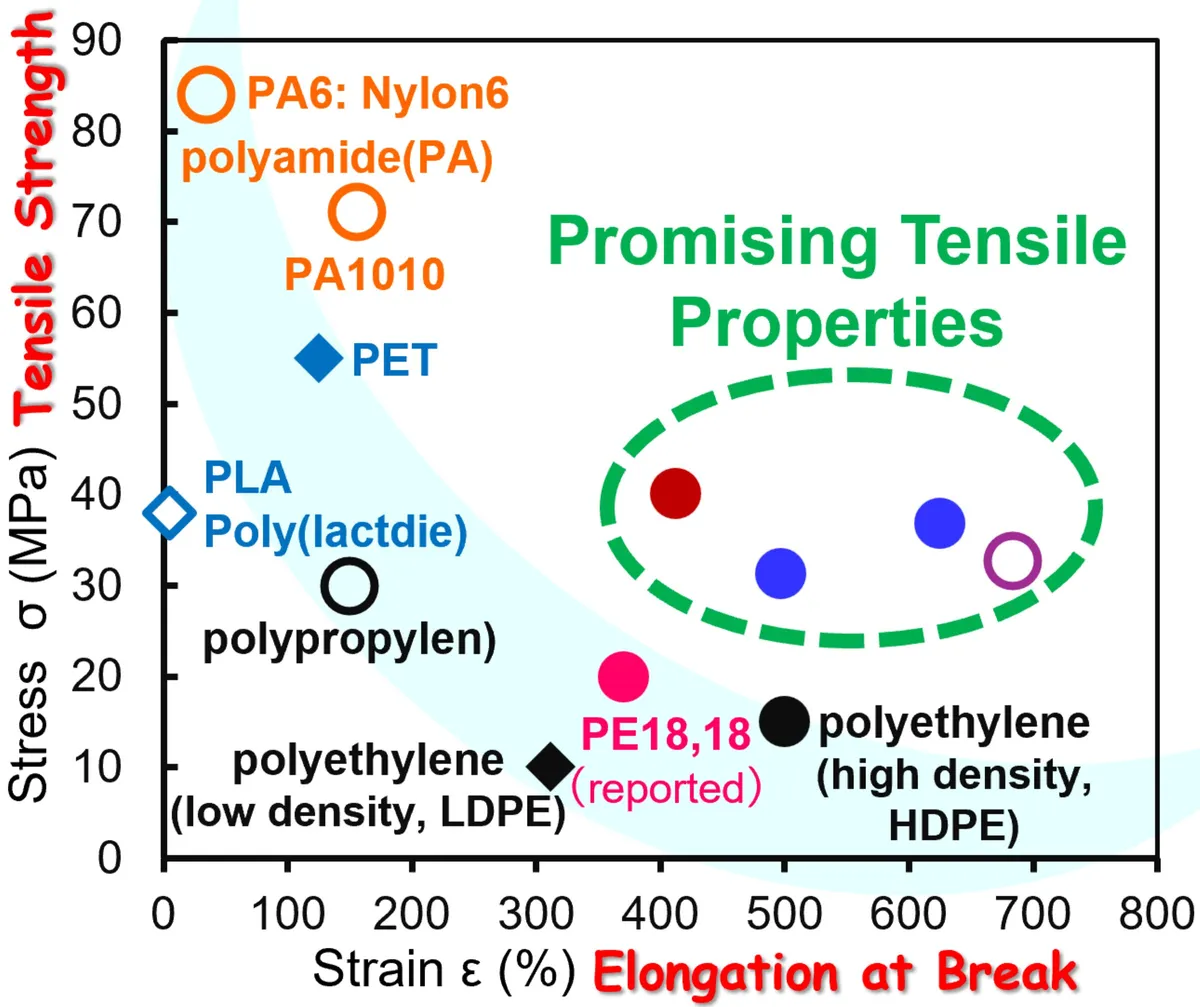
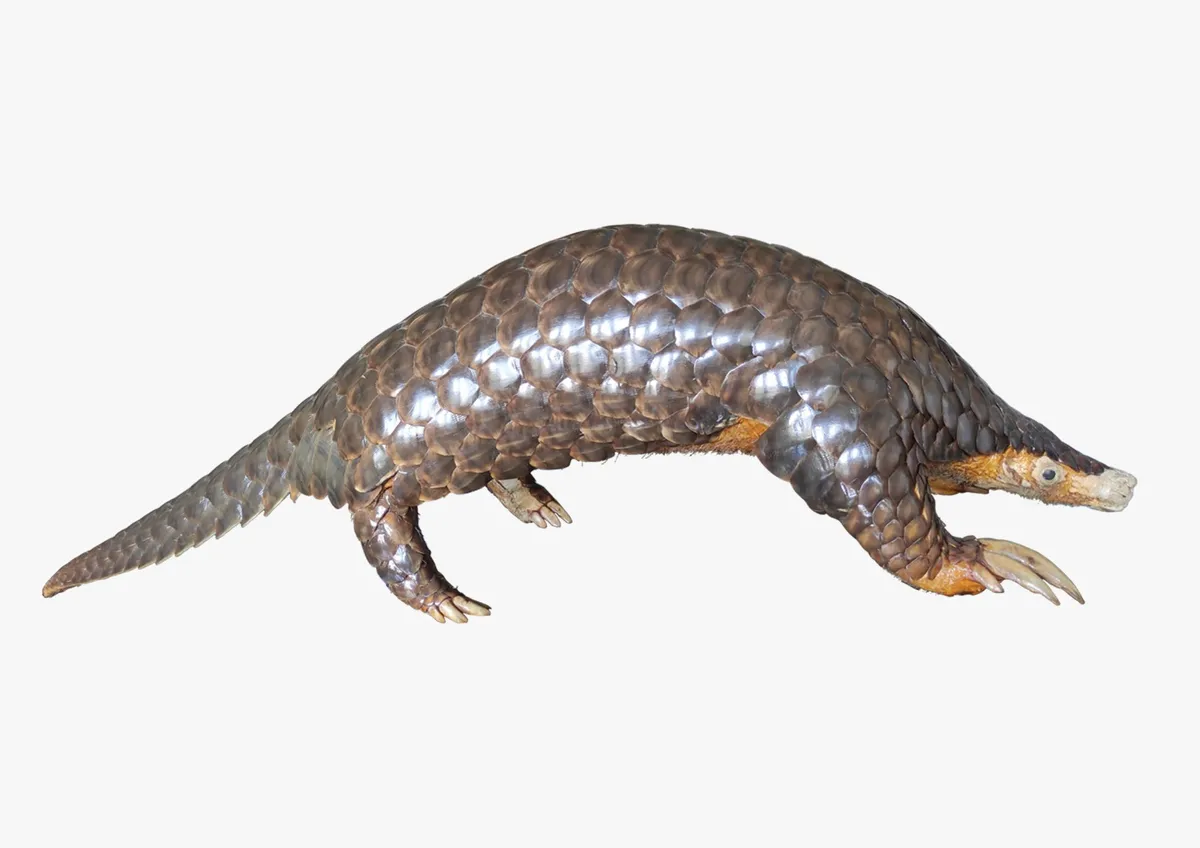
Sometimes, the biggest leaps come from noticing something small. Take the Himalayan pangolin. Brian Houghton Hodgson first observed it 189 years ago, noting it was almost a pangolin, but not quite. This week, scientists finally confirmed it: the Himalayan pangolin is indeed a distinct species. This pattern of re-evaluation and discovery extends to materials, too. A team from Tokyo Metropolitan University unveiled a new plant-based material that's stronger than plastic and self-heals, potentially revolutionizing everything from packaging to construction. Even birds are getting in on the act, with new research showing they can turn 'waste' into rocket fuel for their blood cells, allowing for rapid recovery. It seems the universe, both natural and engineered, is full of clever solutions if you just know where to look.
What this means for you: From forgotten species to new materials, the world is still brimming with untapped potential, often hidden in plain sight.
Humanity's Quiet Persistence
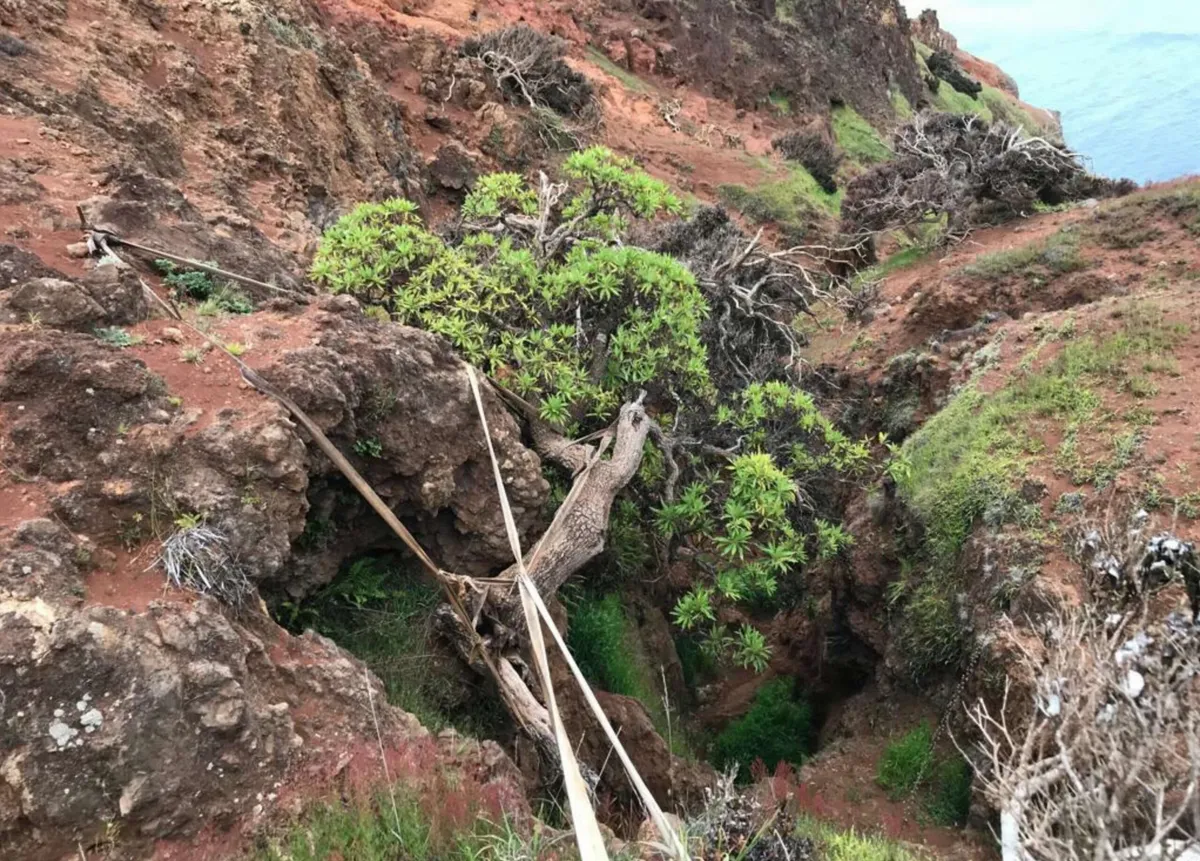
While science makes its grand pronouncements, quiet acts of persistence continue to reshape our world. In Nigeria, women are leading a quiet conservation revolution, protecting gorillas one village meeting at a time. On Chile's Robinson Crusoe Island, conservationists clung to a cliff to collect seeds from the last known wild tree of its kind, offering a lifeline to a species teetering on the edge. And in Kenya, the government declared war on plastic, joining a growing global effort to clean up our oceans. These aren't flashy headlines, but they're the steady drumbeat of progress, reminding us that change often begins with a few determined individuals.
What this means for you: The biggest challenges often get tackled by people showing up, quietly and consistently, day after day.
Hope stat: 189 — the number of years it took to officially recognize a 'new' pangolin species, proving patience (and good science) pays off.
Watch this space: Keep an eye on those self-healing, plant-based materials; they might just be the quiet disruptor we've been waiting for.