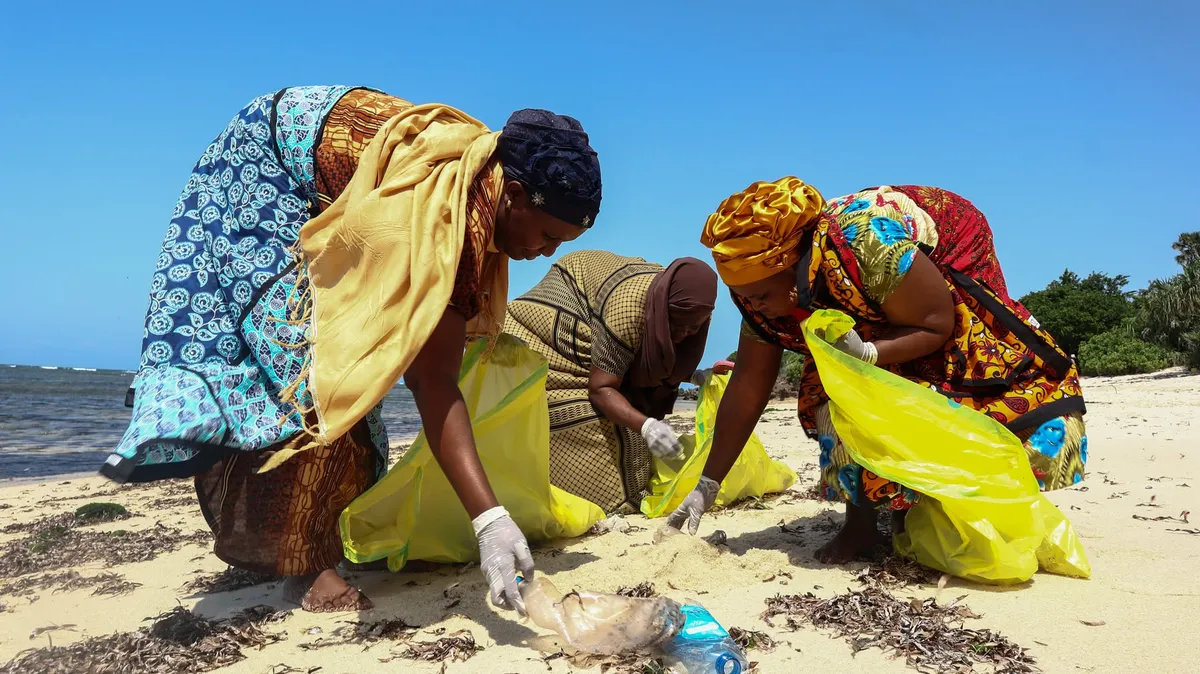
Good news from the coast of Kenya, where the government has officially launched the National Plastic Action Partnership (NPAP Kenya). This isn't just another committee meeting; it's a full-frontal assault on the plastic tsunami that's been choking their cities, beaches, and, well, everything else.
Because apparently, the ocean's patience has run out. And considering we're dumping about 14 million tons of plastic into it every year—making up a casual 80% of all marine debris—who can blame it?
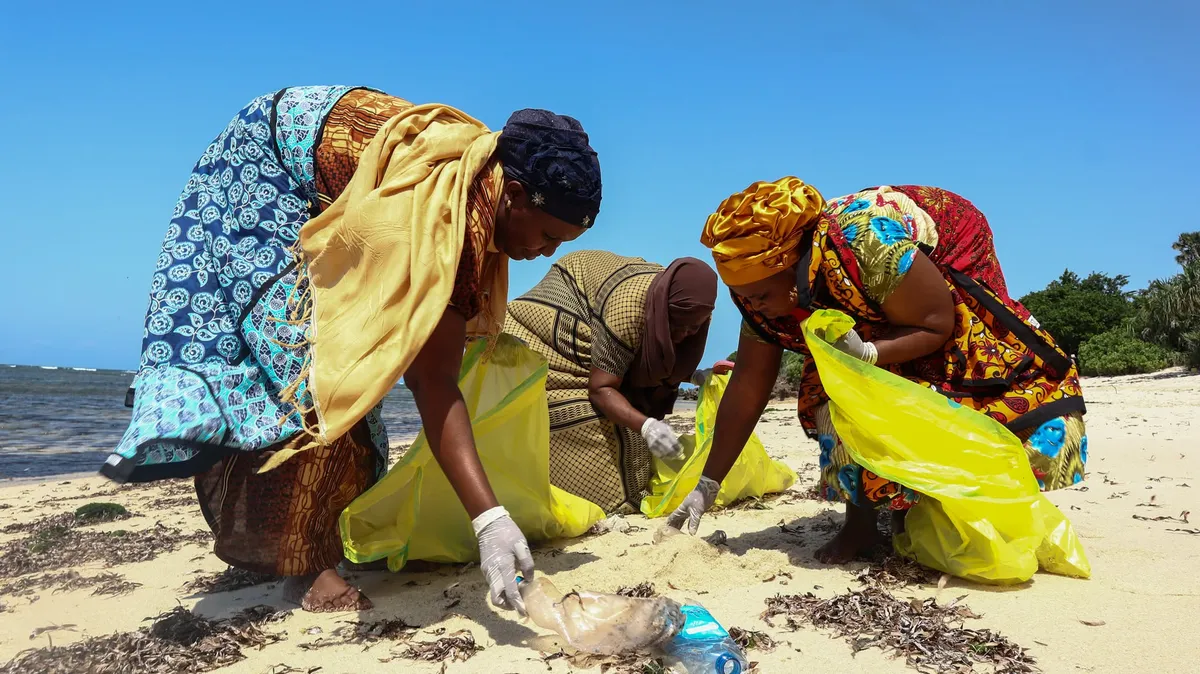
Kenya, like many nations, has been grappling with a plastic problem that would make a landfill blush. Daily, the country churns out 22,000 tons of waste, and a hefty 20% of that is plastic. Want to guess how much actually gets recycled? A paltry 8%. The rest either gets landfilled or, more often, just makes a scenic detour into rivers and the ocean, wreaking havoc on everything from fish to tourist selfies.
We're a new kind of news feed.
Regular news is designed to drain you. We're a non-profit built to restore you. Every story we publish is scored for impact, progress, and hope.
Start Your News DetoxNow, Kenya isn't new to this fight. Back in 2017, they famously banned single-use plastic bags. Then, in 2020, they upped the ante, extending the ban to single-use plastics in protected areas. Because nothing says 'safari' like a rogue plastic bottle floating past a giraffe.
A Circular Solution to a Linear Problem
This new initiative, NPAP Kenya, is a tag-team effort between the Kenyan government, the World Economic Forum's Global Plastic Action Partnership (GPAP), and UNDP Kenya. Their big goal? To usher in a "circular plastics economy." Which, in plain English, means keeping plastic in use and out of the environment.
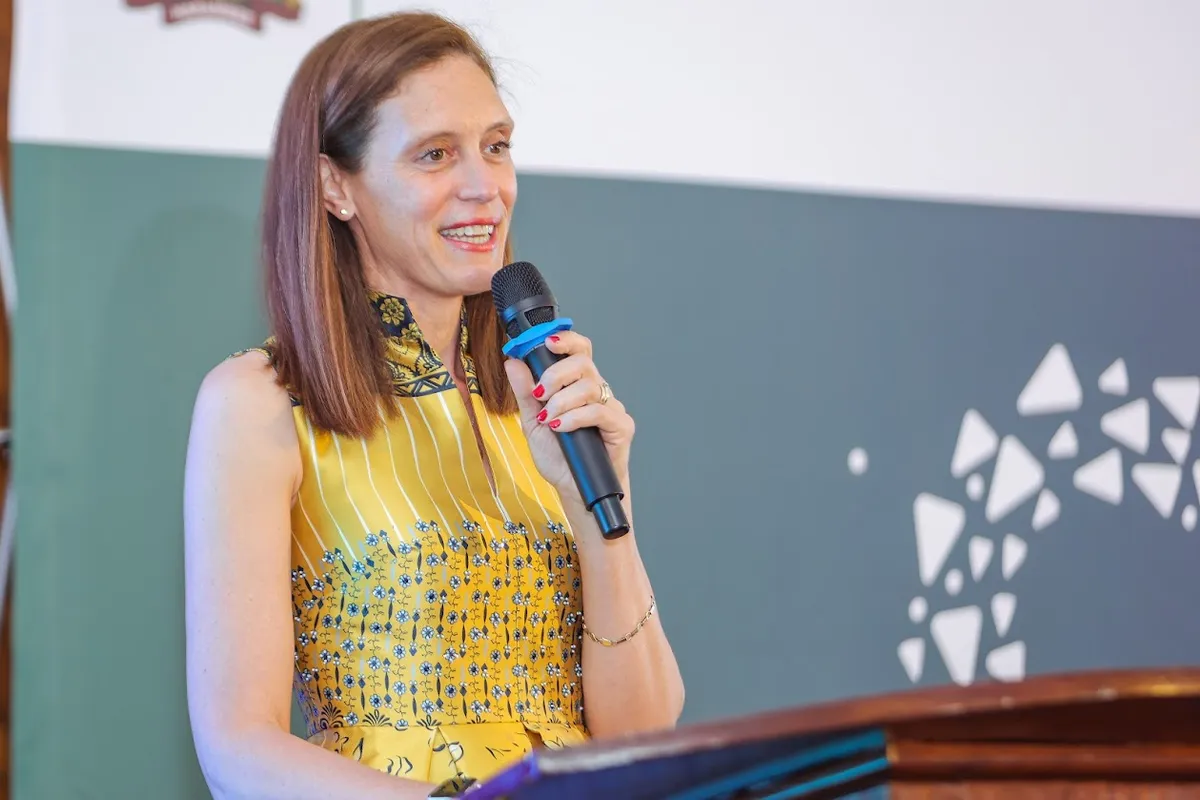
Clemence Schmid, GPAP Director at the World Economic Forum, framed it as a crucial step towards that circular future. The GPAP, cooked up by the WEF in 2018, is basically a global coalition of the willing, all focused on tackling plastic pollution. Because if there's one thing the entire planet can agree on, it's that we've had enough of plastic in our oceans.
So, here's to Kenya taking another bold step. May their oceans breathe a little easier, and may the rest of us take notes.