Seventy years ago, humanity looked at the ocean and thought, "Ah, silence." Turns out, we were just being rude. The big blue isn't a library; it's a bustling metropolis, humming with everything from the pop-pop-pop of snapping shrimp to the operatic ballads of whales. Turns out, the first intentional communicators on Earth probably had gills.
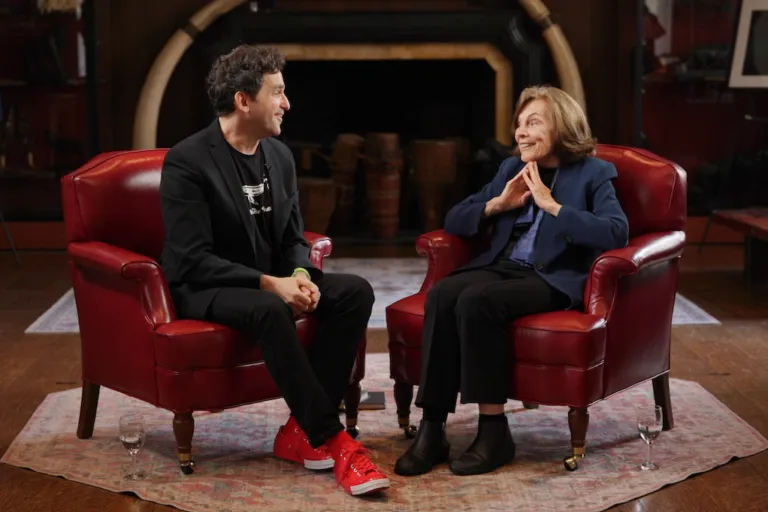
Fast forward to today, and we're finally starting to clue in. Meet Sylvia Earle, who's been exploring and protecting marine ecosystems for over seven decades, basically making the ocean her very cool office. Then there's David Gruber, who's spent three decades trying to understand how marine life sees the world, and now heads up Project CETI. Their mission: cracking the code of whale communication. Which, if you think about it, is both impressive and slightly terrifying. Imagine finding out whales have been judging our surface-dwelling antics all this time.
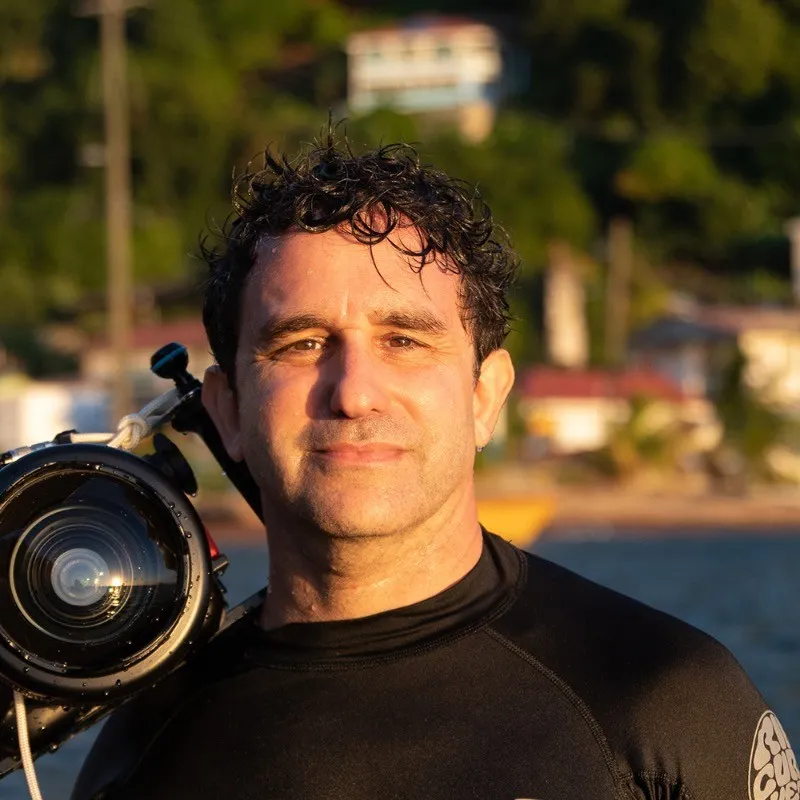
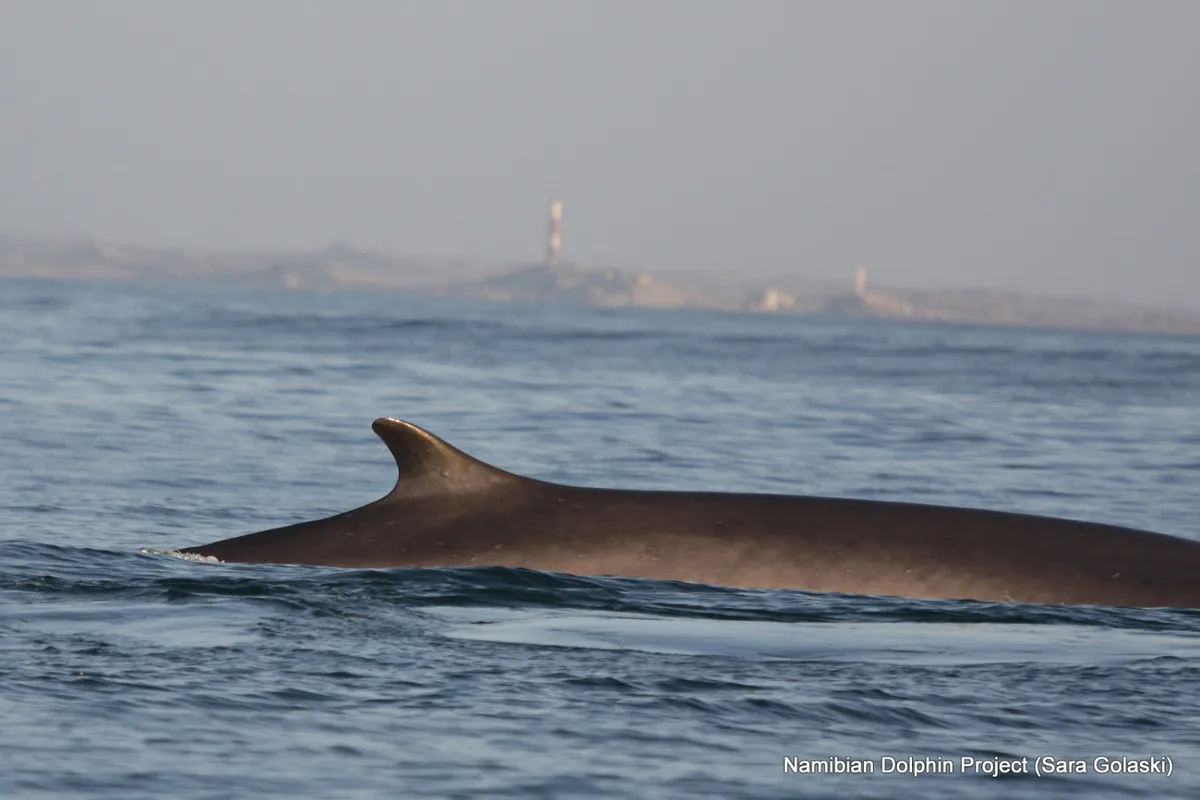
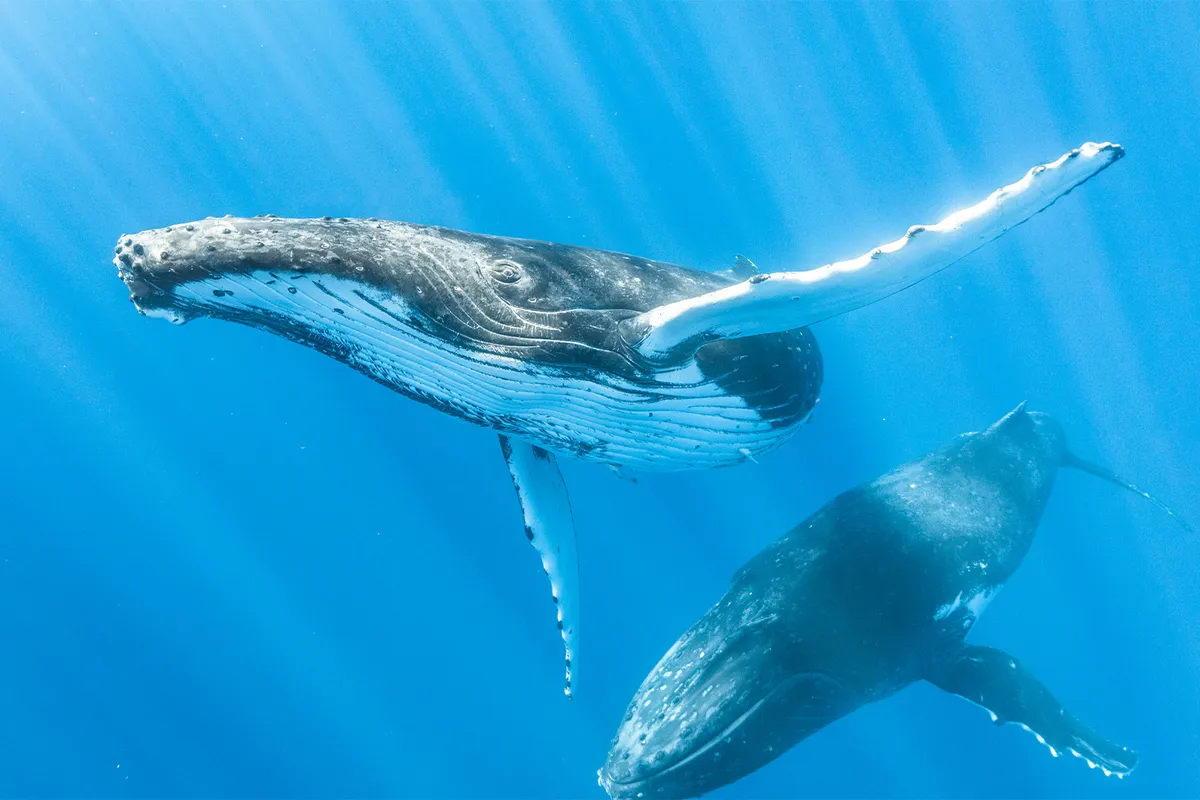
Turns out, whales have deep, complex conversations. The kind you probably wish you were having at your next family dinner. Project CETI is pulling back the curtain on these hidden voices, revealing a level of intricacy that makes your group chat look like a cave painting.
We're a new kind of news feed.
Regular news is designed to drain you. We're a non-profit built to restore you. Every story we publish is scored for impact, progress, and hope.
Start Your News DetoxThe Urgent Whisper
While we're busy marveling at these aquatic linguists, there's a less harmonious tune playing in the background: the ocean's health. Despite some heroic conservation efforts, our oceans are taking a beating faster than we can protect them. Both Earle and Gruber have witnessed incredible discoveries about marine life, even humans reaching the deepest, darkest parts of the ocean. But they've also watched habitats vanish and species numbers dwindle.
It's a bittersweet symphony of scientific breakthroughs and ecological setbacks. Human impact, it seems, has a way of showing up even in the most remote, pristine corners of the deep. So, while we're learning to listen to the whales, perhaps it's time we also started listening to the increasingly urgent whispers of the ocean itself. Because apparently, that's where we are now.