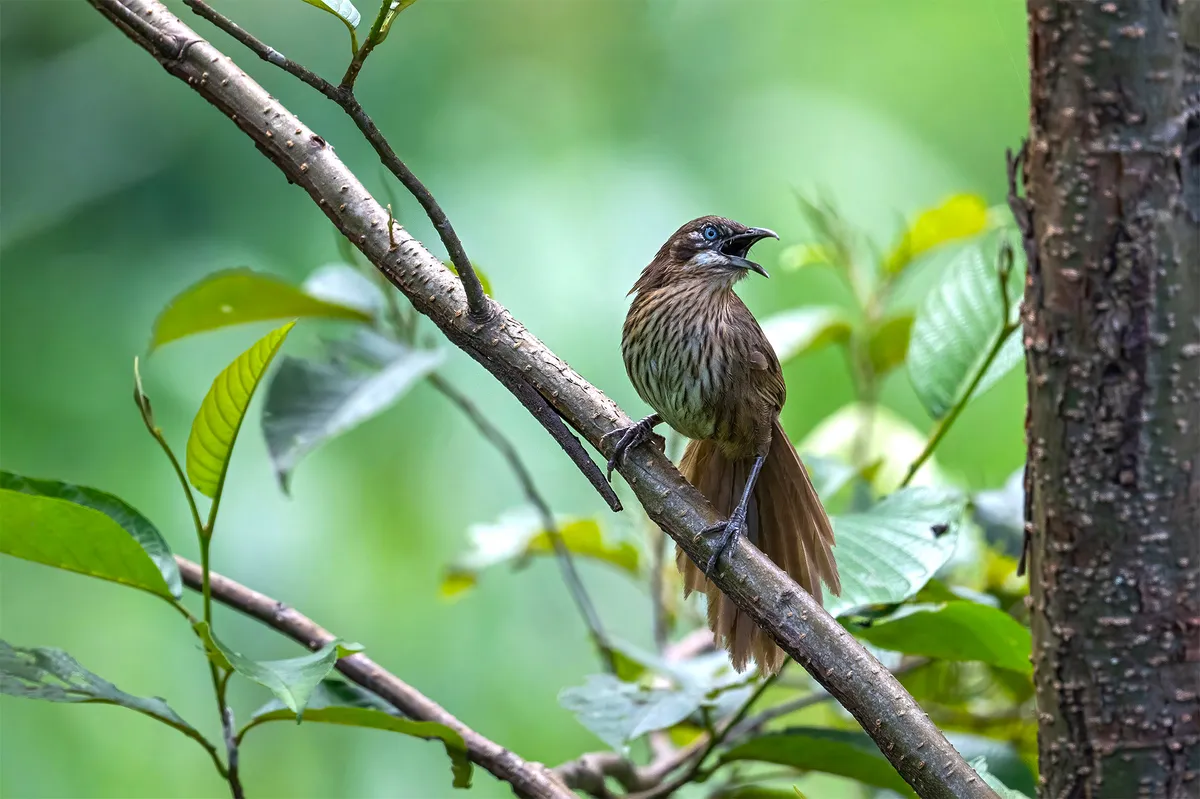
Shankar Tiwari spent his childhood near Nepal's Chitwan National Park, doing what many kids in the area did: hunting birds. Fast forward a few decades, and a chance encounter with a hotel guest (and a pair of binoculars) completely flipped his script.
He peered through those lenses and saw a black-hooded oriole — a vibrant explosion of yellow, black, and red. That single moment transformed a hunter into a fervent bird lover. Because, apparently, all it takes is one really good look to change your entire worldview.

Now 57, Tiwari isn't just a bird lover; he's one of Nepal's most sought-after birdwatching guides. He’s also part of a quietly booming community that’s doing double duty: conserving Nepal's incredible avian population and turning birdwatching into a surprisingly potent tourism draw.
We're a new kind of news feed.
Regular news is designed to drain you. We're a non-profit built to restore you. Every story we publish is scored for impact, progress, and hope.
Start Your News DetoxThe Unexpected Guardians
This isn't just about spotting pretty birds; it's serious conservation work. Tiwari notes that as the birdwatching community swells, so does public awareness. More eyes in the sky (and on the trees) mean more people tracking changes in bird habitats and populations. It's a grassroots ecological monitoring system, powered by enthusiasm and a good pair of binoculars.
A recent study confirmed what many already suspected: birdwatching is on the rise in Nepal, particularly among younger generations. This isn't just a fun weekend hobby; it's a direct boost to biodiversity conservation. People get involved, and crucial ecological data gets collected. It's like citizen science, but with more feathers.
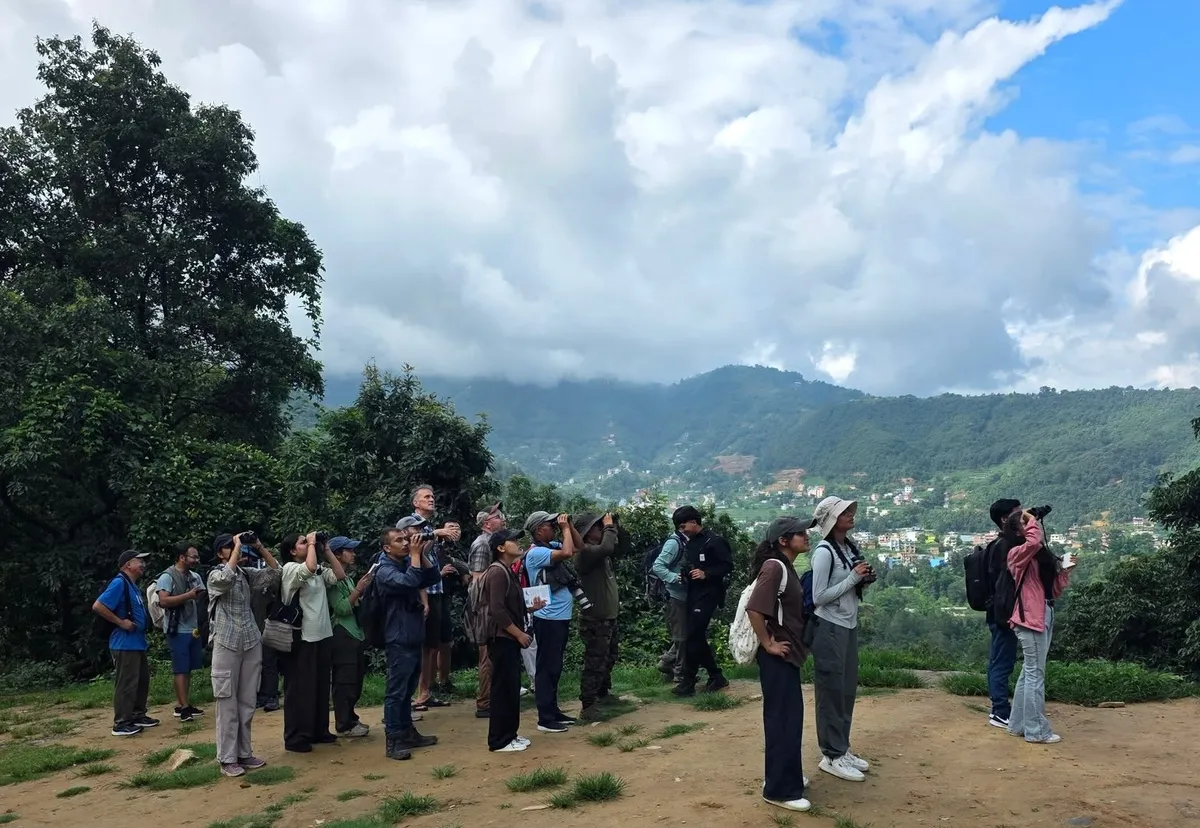
In Kathmandu, groups like Bird Conservation Nepal (BCN) and Friends of Birds host regular weekend excursions, attracting a motley crew of enthusiasts. The study did note one tiny snag: while interest is soaring, public participation and data sharing could still use a little nudge. But hey, you can't expect everyone to go from zero to ornithologist overnight. Still, it's a testament to the power of a single, colorful bird to spark a movement — and maybe save a few species along the way.