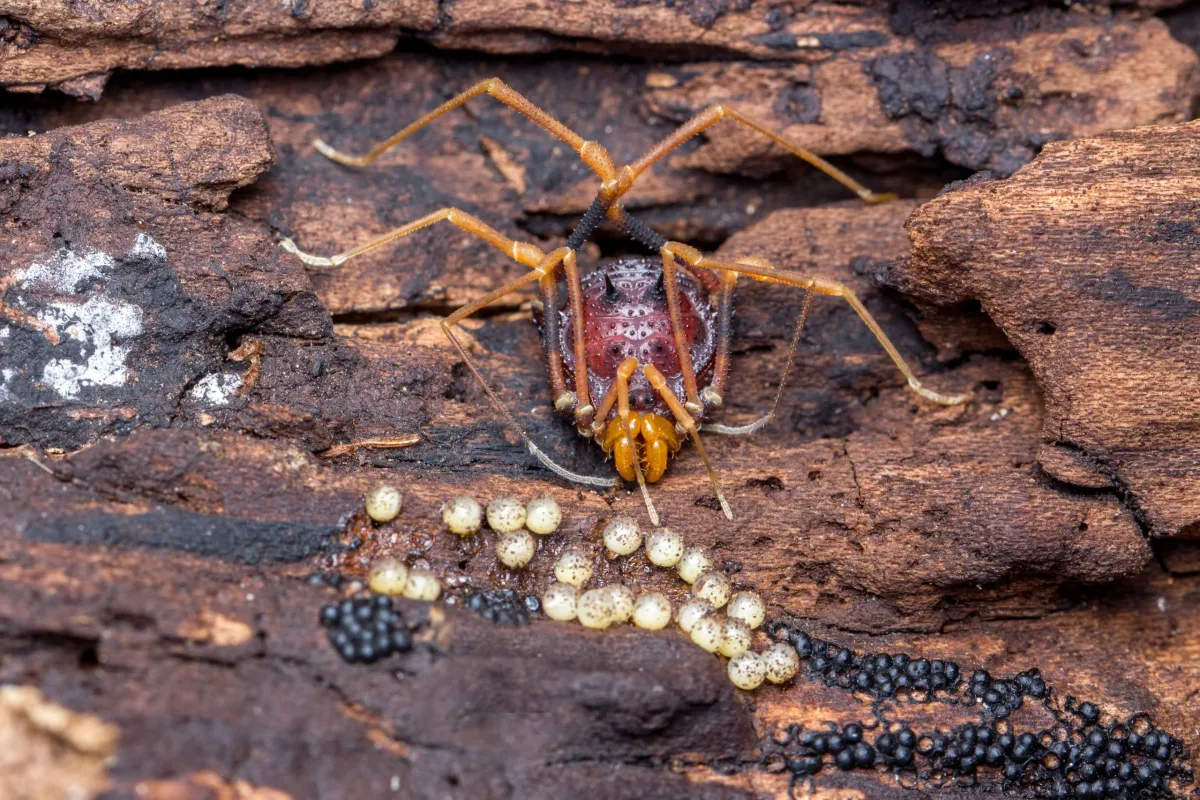
Citizen science is helping researchers understand how parental care, especially fatherhood, evolved in harvestmen. These spider-like creatures offer unique insights because they show paternal care more often than most other animals.
Researchers combined nearly 30 years of fieldwork with observations from iNaturalist, a popular citizen science platform. This effort more than doubled the known cases of parental care in harvestmen.
How Parental Care Evolved
The study found that parental guarding behavior in harvestmen didn't just appear once. It evolved, disappeared, and then reappeared many times throughout their history.
We're a new kind of news feed.
Regular news is designed to drain you. We're a non-profit built to restore you. Every story we publish is scored for impact, progress, and hope.
Start Your News DetoxMaternal care seemed to evolve only from a state where there was no care at all. This pattern is also seen in insects.
Paternal care, however, could develop in two ways: either from no care or from maternal care. This suggests that different evolutionary pressures influenced how each type of parenting developed. When paternal care came from maternal care, it might be a behavior called 'enhanced fecundity,' which is linked to sexual selection.
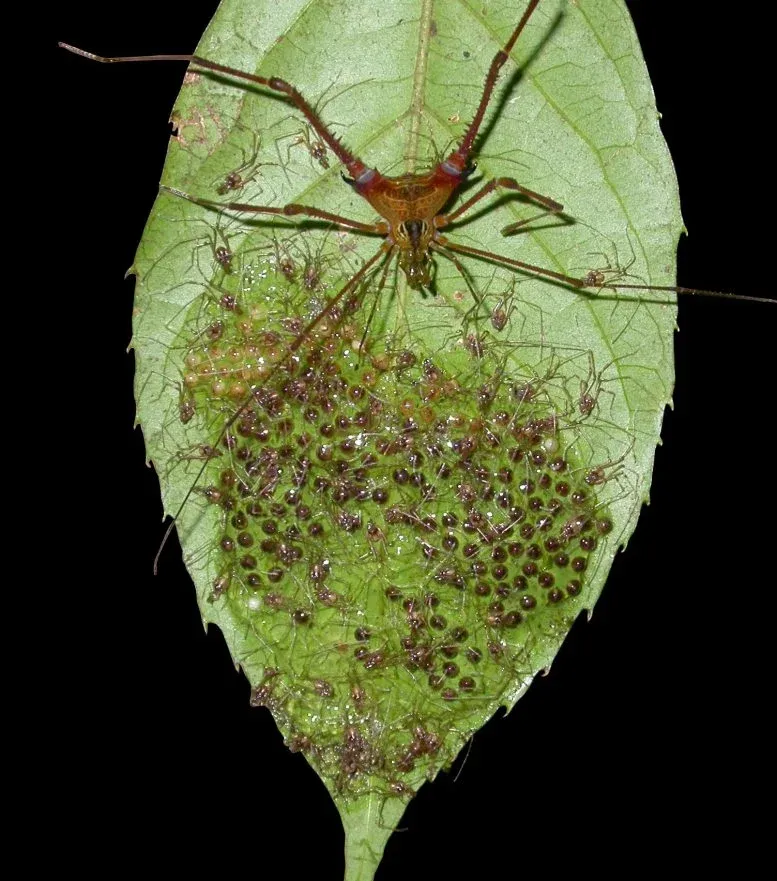
Harvestmen are a very diverse group of arachnids, with over 6,900 known species. They are important for this research because they account for more than half of all independent origins of paternal care in the animal kingdom. Paternal care is quite rare in nature.
Lead author Glauco Machado explained that studying harvestmen helps scientists explore why this behavior evolved. In many species where males care for offspring alone, this care is a sexually selected trait. Females often prefer males who care for eggs.
Citizen Science Boosts Research
Citizen science allows people to contribute to research, often without special training. Public observations have helped with many projects, from bird counts to discovering ancient writing. This shows how important citizen science has become for modern research.
Machado and his team used iNaturalist, a global database where users upload observations of organisms. This platform helped them expand their dataset much faster than traditional methods. Before this study, scientific literature recorded parental care in 80 harvestmen species. The iNaturalist data added 62 new records, more than doubling the total.
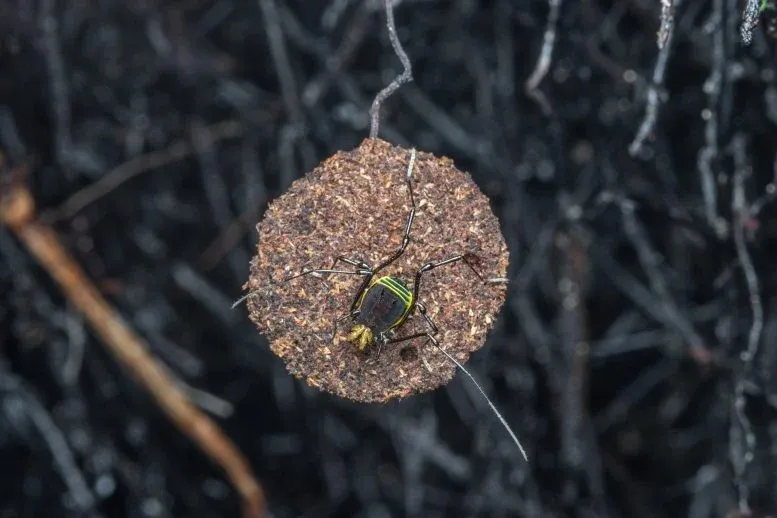
Machado's team collected these new records in just two days. He noted that iNaturalist not only expands datasets but also makes biological information more accessible globally. This reduces the need for expensive and time-consuming fieldwork, opening new possibilities for large-scale studies, especially for scientists in the Global South.
The Role of Expertise
The study also highlights the ongoing importance of taxonomists. While citizen science gathers lots of data quickly, expert taxonomists are still needed to correctly identify species, determine the sex of caregivers, and tell similar behaviors apart, like parental care versus mate guarding.
Machado stressed that taxonomists are crucial. "We cannot preserve a species that doesn’t have a name. And names are provided by taxonomists. So, it’s very important," he said.
Despite some challenges like sampling bias, this work helps fill gaps in our understanding of parental care. Machado hopes more scientists will use citizen science platforms in their future research, especially for groups with both maternal and paternal care.
Deep Dive & References
One small step for citizens, one giant leap for science: iNaturalist records boost our understanding of the evolution of parental care in a clade of arachnids - Zoological Journal of the Linnean Society, 2026