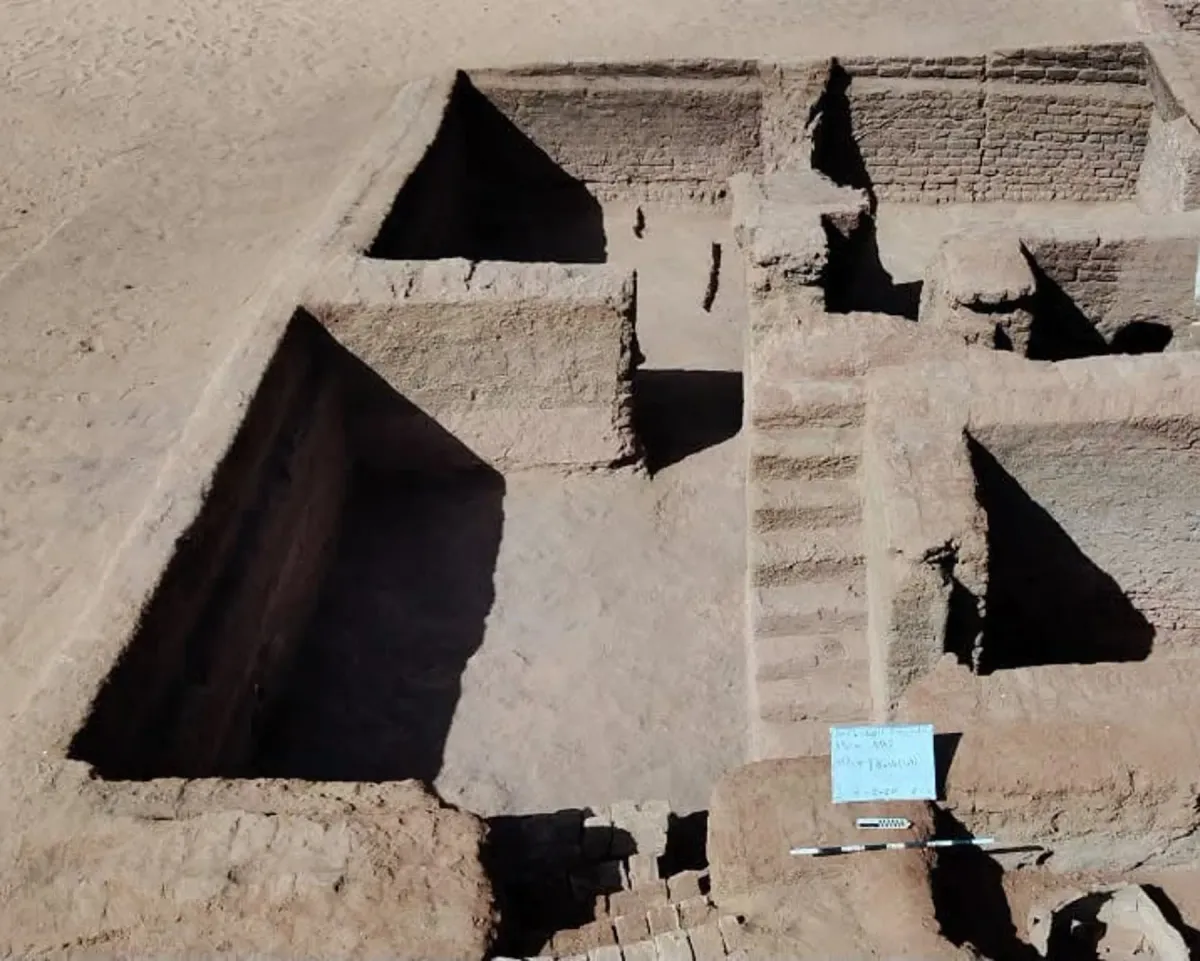
Imagine strolling through a fully laid-out ancient city, complete with street grids, homes, and even watchtowers, all remarkably preserved under the Egyptian sand. That's exactly what archaeologists just stumbled upon at the Dakhla Oasis in Egypt's Western Desert: an entire Byzantine-era settlement, offering a time capsule of daily life from the fourth century.
Turns out, this wasn't just a smattering of ruins. This was a proper city, built with a surprisingly modern sensibility. Think wide north-south avenues intersected by east-west streets, creating open public spaces. Right at the heart of it, overlooking a main thoroughfare, stood a Christian basilica from the fourth century. Because apparently, even back then, you wanted your central religious building to make a statement. Two watchtowers guarded the city's perimeter, just in case.
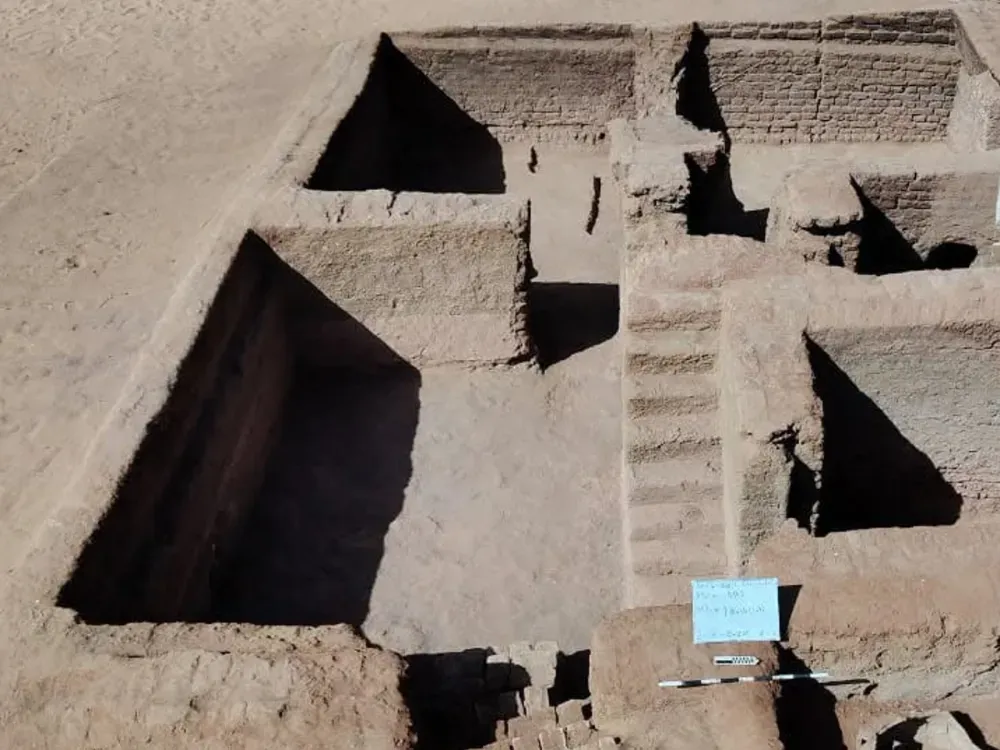
Among the residential areas, researchers found the home of a deacon named Tisous (who likely had a much better commute than most of us). They also uncovered what might have been an early house church, predating the grand basilica. And because everyone needs to eat, there were bread ovens, kitchens, and grain-grinding tools. Proof that even in ancient times, the quest for a good carb was real.
We're a new kind of news feed.
Regular news is designed to drain you. We're a non-profit built to restore you. Every story we publish is scored for impact, progress, and hope.
Start Your News DetoxBut the real treasures? A cache of gold coins from the reign of Roman emperor Constantius II (337-361 AD). And then there are the approximately 200 ostraca – pottery shards used for writing, inscribed in Coptic and Greek. These aren't just random scribbles; they're business contracts, transaction details, and even personal letters. It's like finding ancient text messages, offering a rare, unfiltered glimpse into the social and economic chatter of a city that's been quiet for over a millennium.
This isn't just another dig; it's being hailed as one of the most significant Byzantine settlements ever found in Egypt's Western Desert. Which, if you think about it, is both impressive and slightly terrifying to imagine what else is still just waiting under the sand.