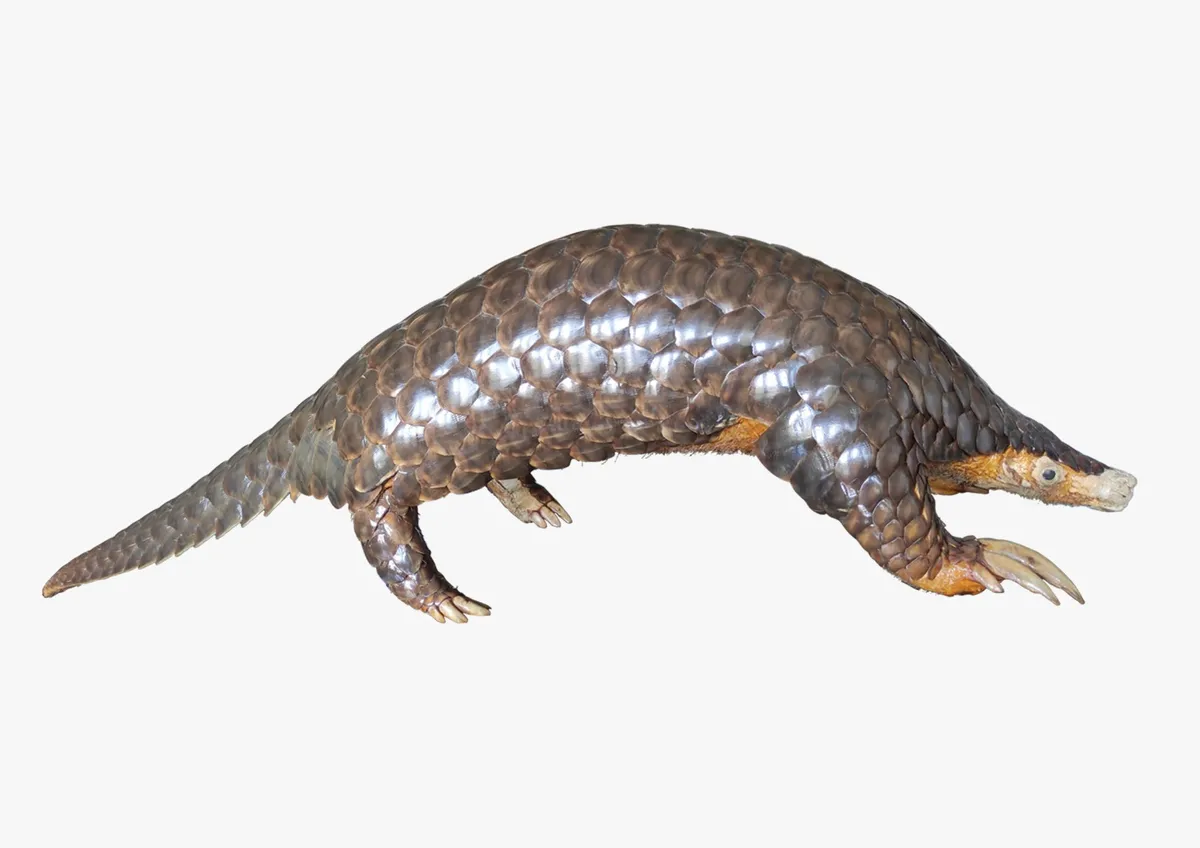
Back in 1836, a British diplomat named Brian Houghton Hodgson was wandering through Nepal's Kathmandu Valley when he spotted a pangolin that just… looked different. It had the usual armored scales, sure, but also noticeably larger ears and, oddly specific, more scales than its cousins. He scratched his head, named it Manis auritus (the 'large-eared') and Plurisquamis (the 'many-scaled'), and basically said, "I bet this guy's special."
Turns out, Hodgson was a pretty good amateur taxonomist. It only took scientists nearly two centuries to confirm his hunch. A global team of researchers spent five years poring over these scaled creatures, and finally, the verdict is in: Hodgson's pangolin is indeed its own species, distinct from the Chinese pangolin it had been lumped with all this time.
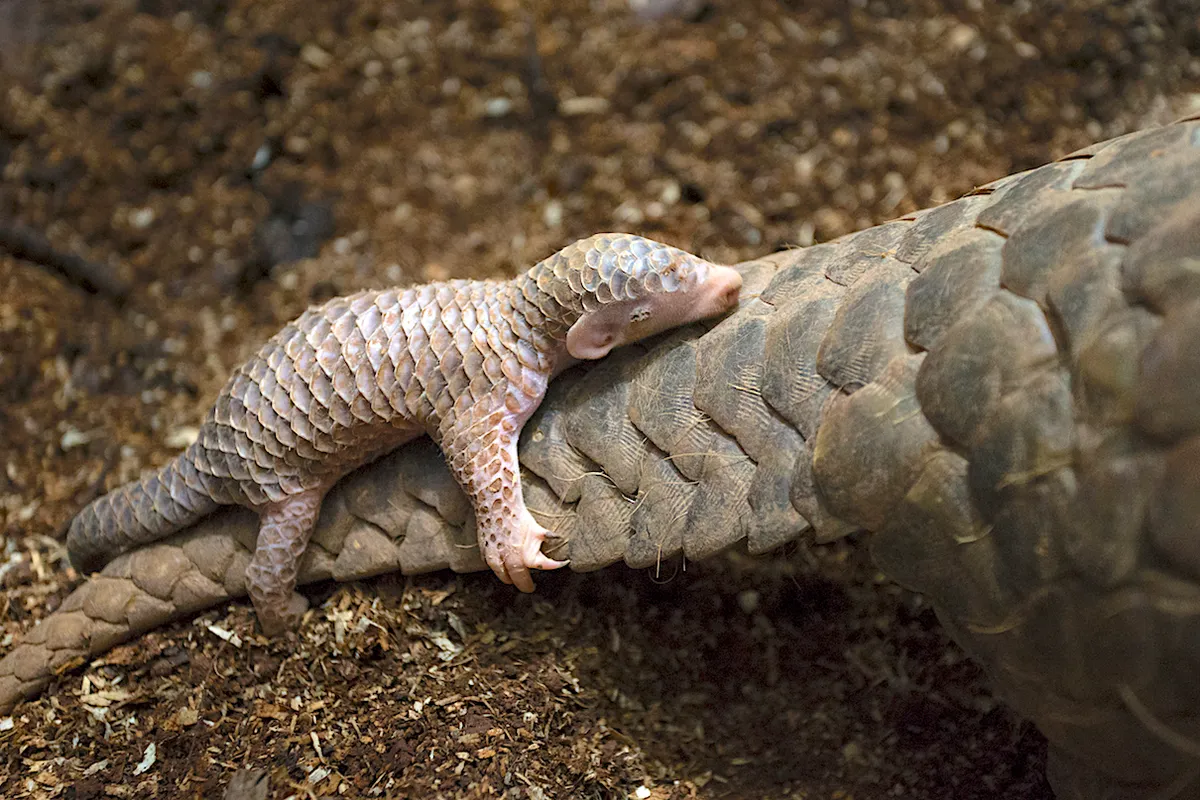
Now officially dubbed the Himalayan pangolin, this new species (which has, you know, always been there) has some serious implications for conservation. All eight pangolin species worldwide are teetering on the edge of extinction, thanks mostly to poaching and habitat loss. Giving the Himalayan pangolin its own official entry in the natural history books means conservationists can now develop targeted strategies to protect this specific population, rather than a generic, one-size-fits-all approach.
We're a new kind of news feed.
Regular news is designed to drain you. We're a non-profit built to restore you. Every story we publish is scored for impact, progress, and hope.
Start Your News DetoxSo, while it might feel a bit like discovering Pluto isn't a planet anymore, only in reverse, this scientific sleuthing means a better chance for one of the world's most unique (and tragically threatened) mammals. And somewhere, Brian Houghton Hodgson is probably nodding sagely, muttering "I told you so."