For years, the holy grail of sustainable materials has been a plastic alternative that’s not just green, but actually better than the stuff it replaces. Something that doesn't just sit there, feeling vaguely guilty about its existence, but actively pulls its weight. Well, gather 'round, because a team of Japanese researchers just dropped a mic on the plastics industry.
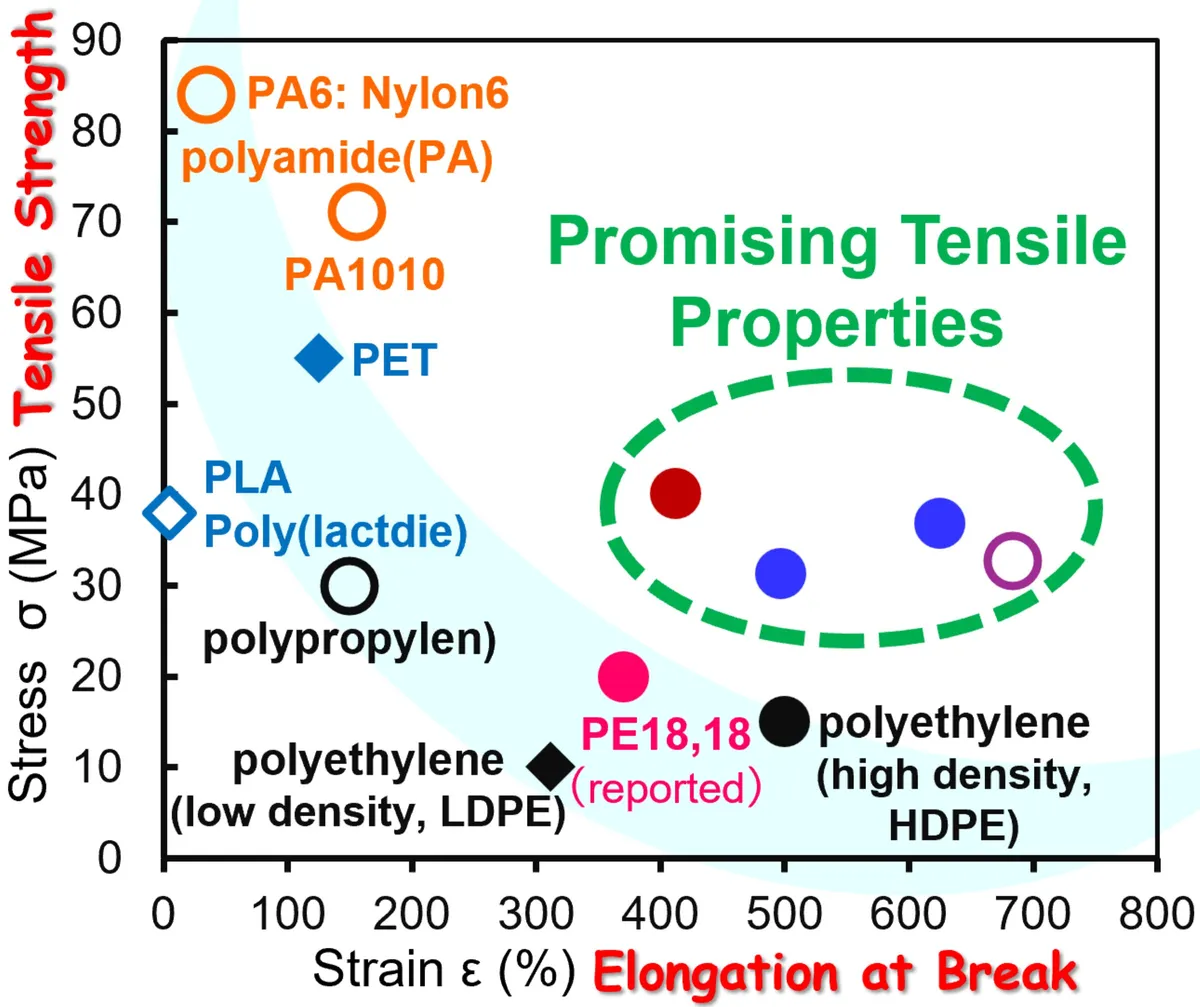
They've engineered new biobased polymers — essentially, plastics made from non-edible plant bits — that are not only fully recyclable but also stronger than the polyethylene and polypropylene we've all come to know (and sometimes, resent). Think of it as the ultimate glow-up for plant matter.
Professor Kotohiro Nomura from Tokyo Metropolitan University, alongside colleagues from Osaka and Shiga Prefecture, published their findings in JACS Au. Which, if you're keeping score, is a pretty big deal in the chemistry world.
We're a new kind of news feed.
Regular news is designed to drain you. We're a non-profit built to restore you. Every story we publish is scored for impact, progress, and hope.
Start Your News DetoxThe Superpowers of Plant Plastic
The challenge with biobased polymers has always been getting them to perform. It's easy enough to make something eco-friendly; it's another thing entirely to make it tough enough to, say, hold your groceries without tearing a seam. This new material, a type of poly(ester amide), is derived from plant oils, amino acids, and sugars. And it doesn't just match conventional plastics; it exceeds them in tensile strength.
But wait, there's more. One specific version, laced with phenylalanine (an amino acid you might recognize from your protein shake), can even self-heal at room temperature. Let that sink in for a second: plastic that fixes itself. Because apparently, that's where we are now.
This wizardry is achieved through a catalytic olefin metathesis polymerization method, which sounds like something out of a sci-fi movie but simply means they're building really robust molecular chains. And when its useful life is over, instead of heading to a landfill for the next few centuries, it can be broken down into its original components using a catalytic process called transesterification. It's less a recycling program and more a full-circle rebirth.
Basically, these scientists just handed us a material that's tougher, greener, and can mend its own boo-boos. Someone tell the future it arrived early.