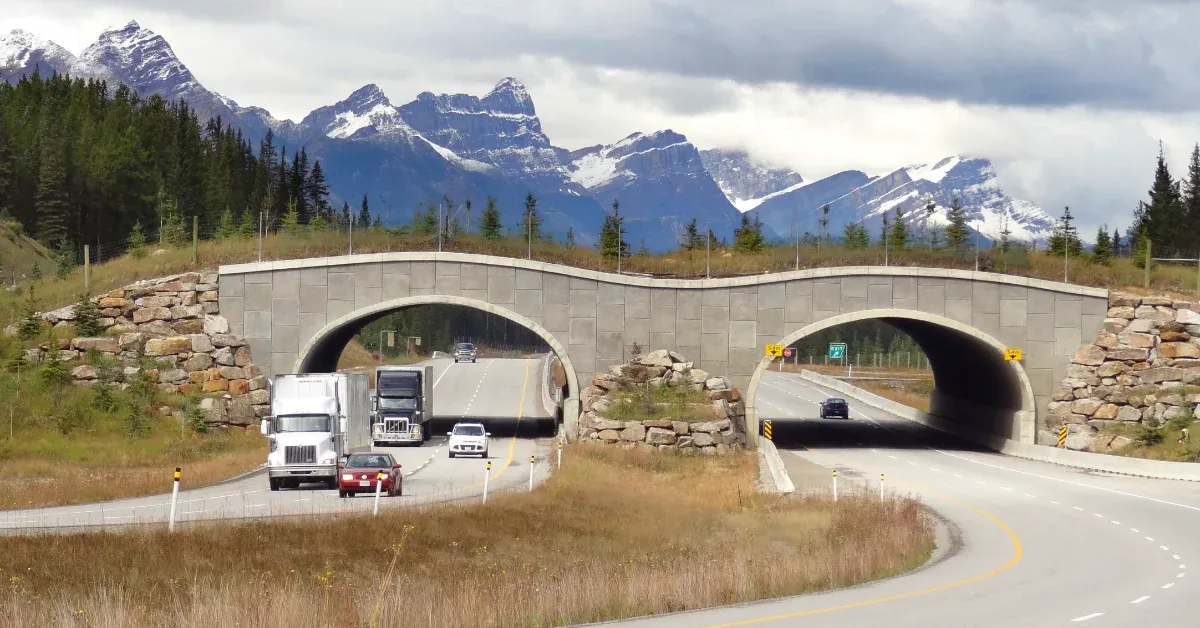
Conservationists are celebrating new laws in four states that will help build more wildlife crossings. Utah, Virginia, Idaho, and Oregon have passed legislation to boost state transportation budgets for these projects.
Wildlife crossings are popular with both political parties. This is because they greatly reduce crashes between animals and vehicles. Some studies show they can cut these accidents by over 90%.
These collisions cause about 26,000 injuries and more than 200 deaths in the U.S. each year. They also lead to over $10 billion in costs for repairs and medical care. Highways also block animal migration paths, which can harm wildlife populations and reduce biodiversity.
We're a new kind of news feed.
Regular news is designed to drain you. We're a non-profit built to restore you. Every story we publish is scored for impact, progress, and hope.
Start Your News DetoxOne wildlife crossing can prevent about 1,400 accidents over 70 years. This means billions of dollars can be saved by investing in these structures. States like Colorado, California, and Arizona have already seen success with wildlife corridors. Now, these four new states are joining the effort.
States Boosting Wildlife Corridor Efforts
Utah
Utah lawmakers have created a special fund for wildlife crossings. They are putting $2 million into this fund each year. Utah residents can also donate through vehicle registrations and hunting licenses. The new law also says that solar and wind projects must consult with the Utah Division of Wildlife Resources before starting construction.
Matt Howard, a natural resource manager for Utah's Department of Transportation, sees this as a good start. He noted that the state will still need federal money for larger projects.
Virginia
Virginia Governor Abigail Spanberger signed a law in April to create a permanent fund for wildlife corridors. Virginia is one of the top 10 states for animal-vehicle collisions, costing residents about $533 million annually.
Like Utah's new bill, Virginia's fund aims to attract private grants and federal matching funds. Virginians can also contribute through their local DMV or tax returns.
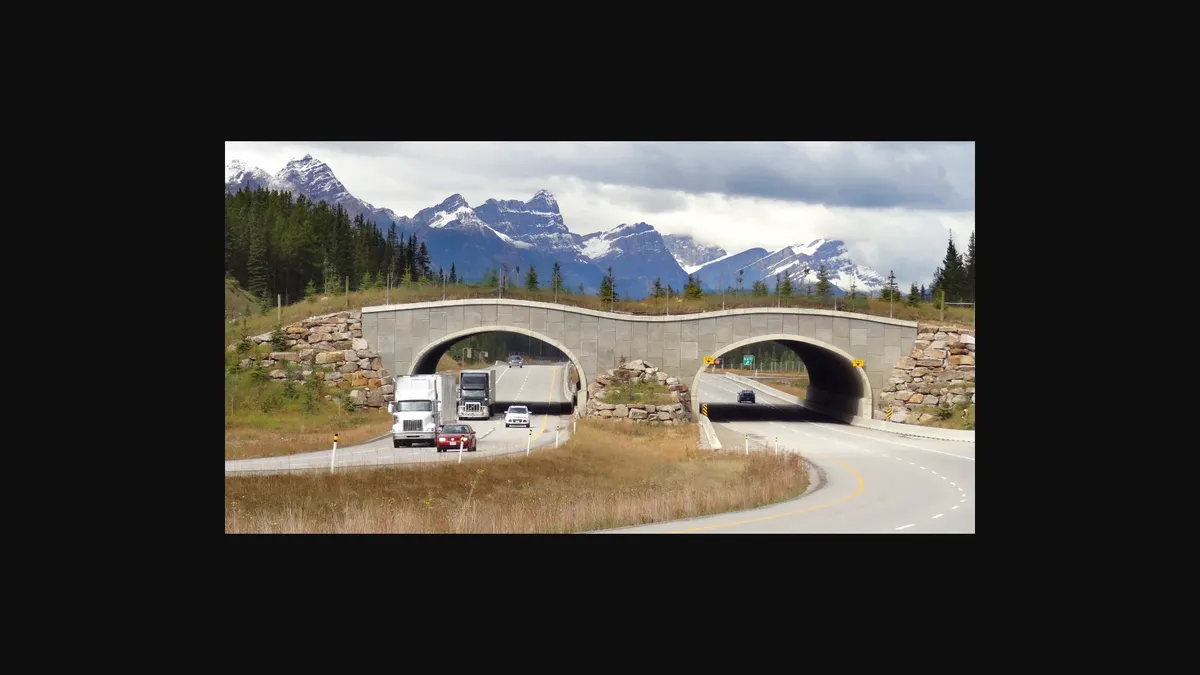 Photo courtesy of Wild Virginia
Delegate Shelly Simonds, a sponsor of the legislation, said the fund gives people a way to help prevent accidents. She believes it will help gather data, develop plans, and improve coordination between agencies.
Idaho
Idaho lawmakers passed a resolution supporting investment in wildlife corridor infrastructure. While it doesn't add new funds, it shows strong support for public safety and conserving big game migration paths. This includes building wildlife crossings where appropriate and supported by local communities.
This momentum follows the success of the Cervidae Peak Wildlife Overpass near Boise. This 150-foot bridge aims to reduce collisions by 80% between animals like mule deer and elk and the 14,000 daily drivers on State Highway 21.
State Rep. James Petzke, the resolution's sponsor, said that with local support, wildlife crossings can greatly benefit the state. He encourages continued work on building more crossings in key migration areas.
Oregon
Oregon is funding its wildlife corridors with a 1.25% increase in the state's lodging tax, starting in January 2027. This tax increase will support nine conservation programs, including new wildlife infrastructure and research on reducing animal-vehicle collisions.
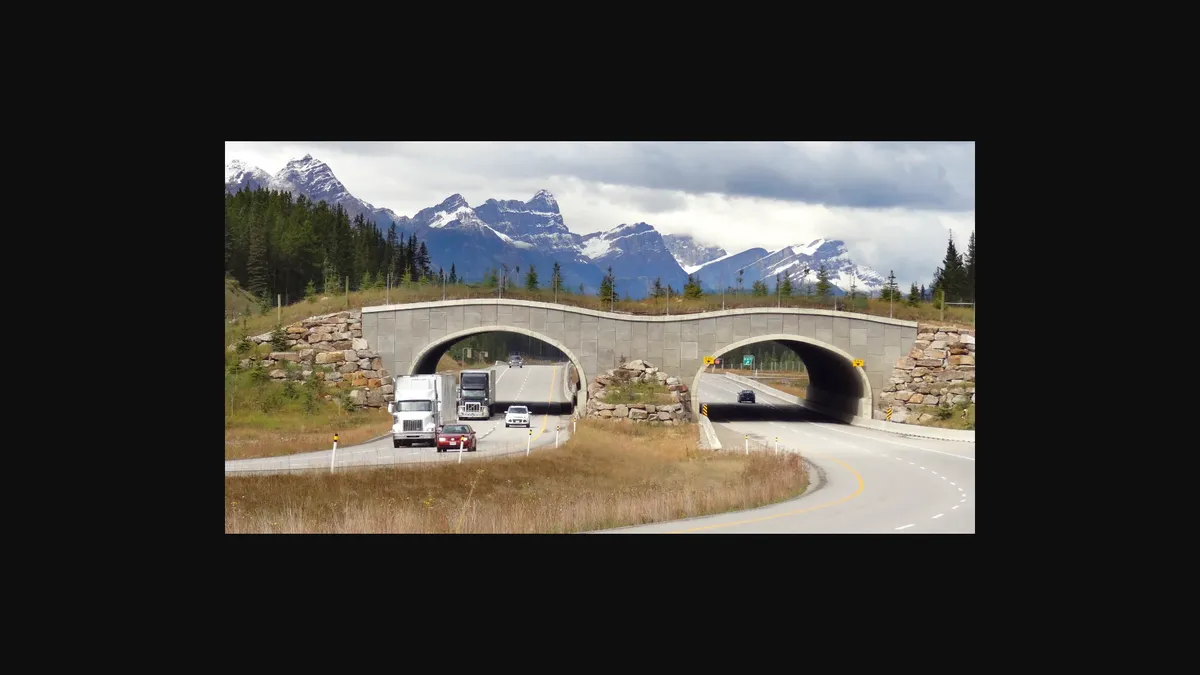 Photo courtesy of the Oregon Department of Fish and Wildlife
A group of hunters, anglers, landowners, and conservationists worked for over 10 years to pass this law. Few states currently have ongoing funding for wildlife conservation. The "1.25% for Wildlife" effort will add a small cost (about $1.25 to $2.50) to overnight stays.
This increased tax is expected to raise nearly $37 million per year for conservation. About $2 million of that will go to wildlife corridor projects annually. Karla Raettig, chief advocacy officer for the National Wildlife Federation, called this a major win for wildlife. She believes Oregon's legislation is a model for other states.