Today, we're looking at a world that's just a little bit louder, a little bit smarter, and surprisingly, a little bit cleaner, thanks to some very specific actions by a few determined individuals and a lot of very patient animals.
The Return of the Silence Breakers
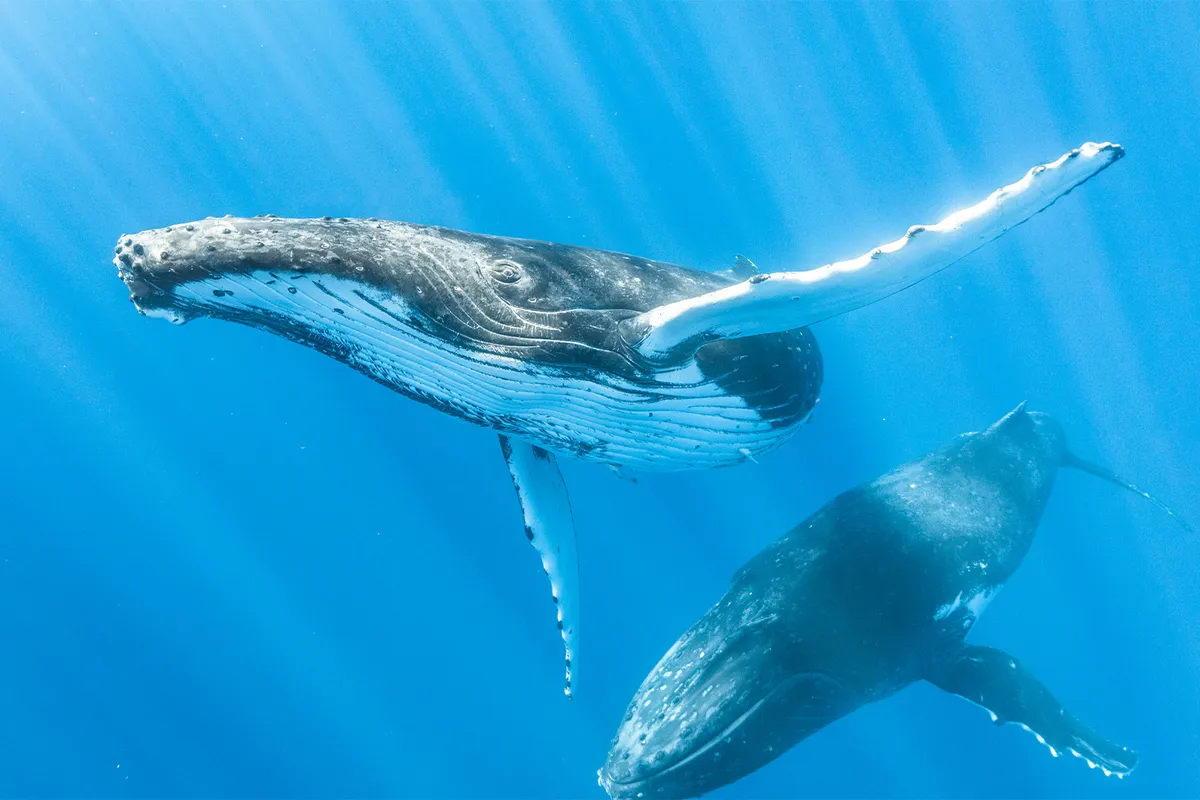
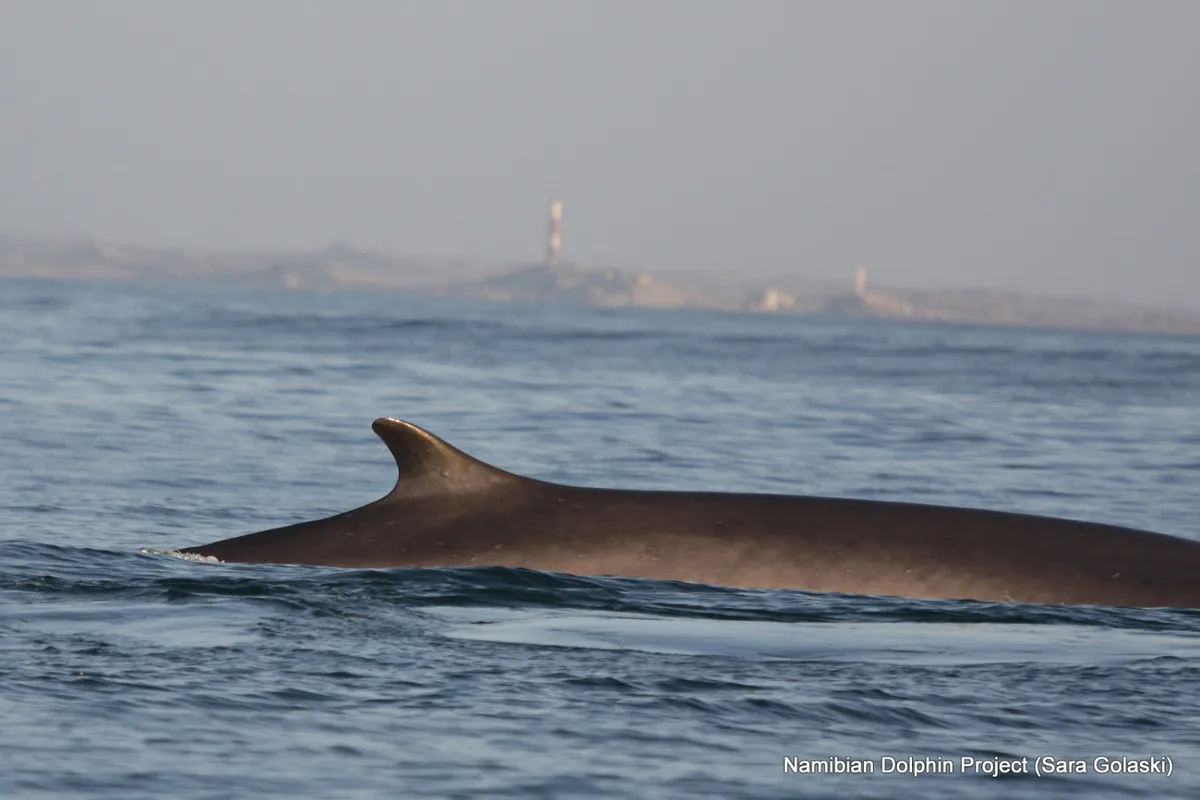
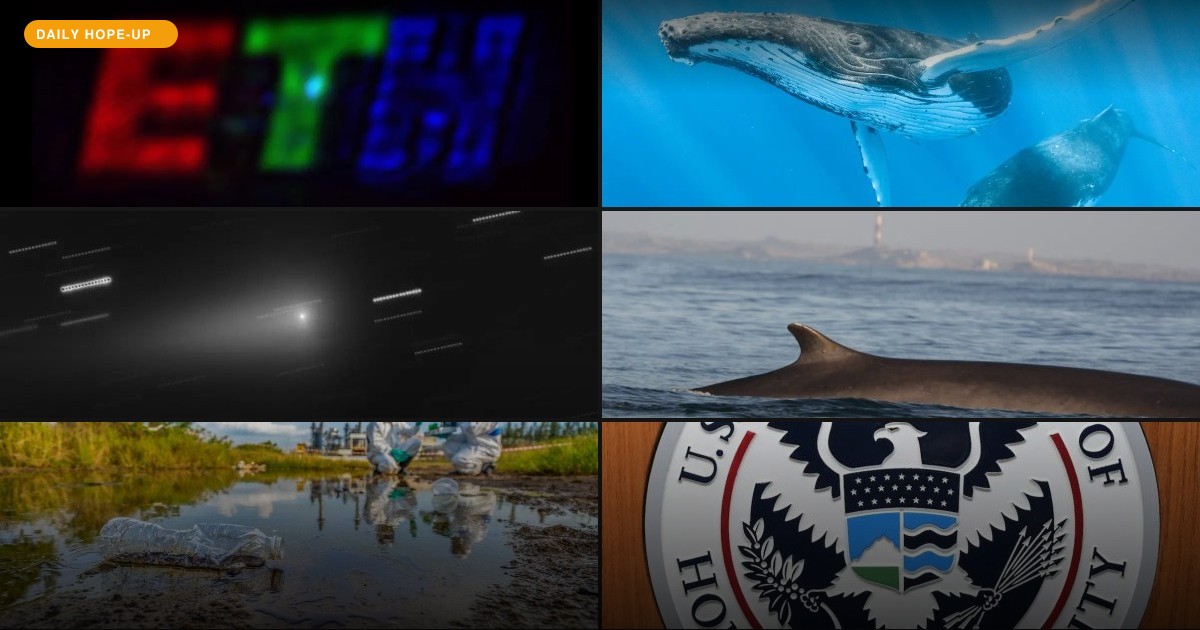
Seventy years ago, Jacques Cousteau’s Le Monde du Silence painted the ocean as a quiet place. Turns out, it was just waiting for us to listen. This week, the ocean made itself heard, loudly and clearly. Off Southern Africa, blue and fin whales are making a comeback after being nearly wiped out by commercial whaling. This isn't just a handful of sightings; it's a significant increase, signaling a genuine recovery. Meanwhile, on the other side of the planet, researchers are finally realizing that whales are chatting, and we might be ready to listen — a development that could transform how we approach ocean health and conservation. It's a powerful reminder that if we just step back and give nature a fighting chance, it often knows exactly what to do.
This means that the vast, mysterious parts of our planet are not only resilient but are actively recovering, and we're finally starting to pay attention to the wisdom they hold.
We're a new kind of news feed.
Regular news is designed to drain you. We're a non-profit built to restore you. Every story we publish is scored for impact, progress, and hope.
Start Your News Detox"The coral had been declared dead in 2019. Five years later, it's not just alive — it's spawning." — Read the full story
Ingenuity, Both Human and Simian
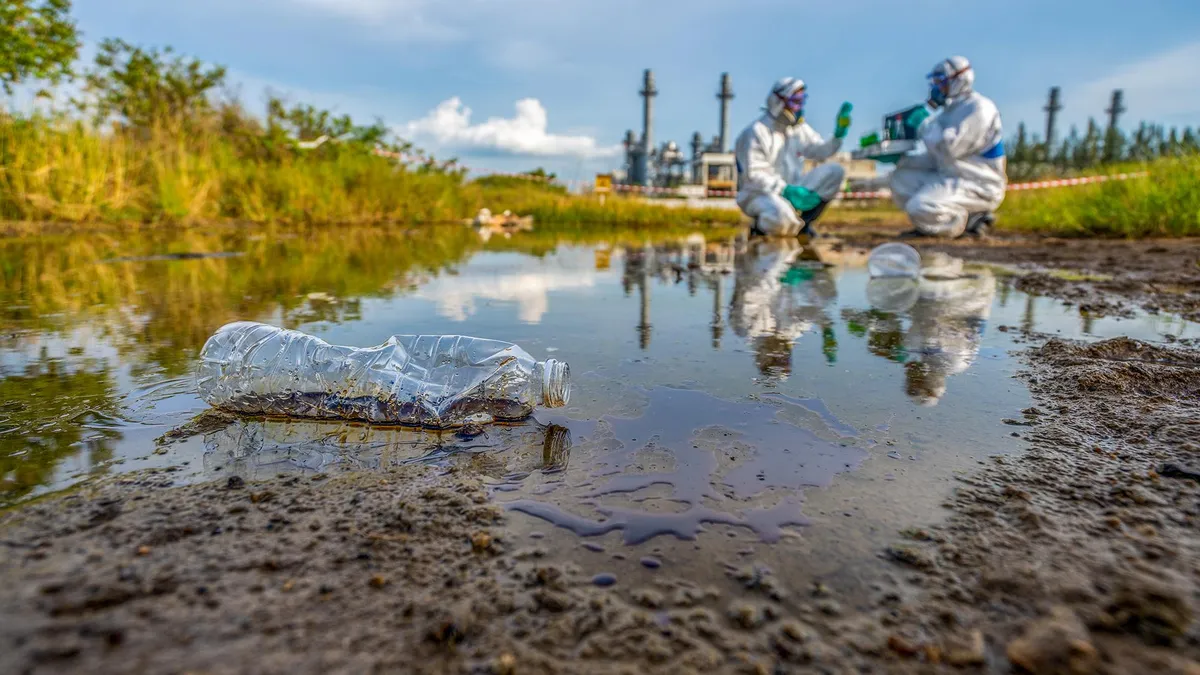
Sometimes, the most elegant solutions come from the least expected places. Take Lake Tahoe, for instance, where toxic lead cables lay like giant sea monsters. For decades, these abandoned AT&T lines leached over 100,000 pounds of lead into one of the most iconic lakes in America. The problem persisted until a single individual, Todd Mozer, decided enough was enough and, armed with his own checkbook and a formidable will, funded the cleanup himself when corporate and government entities stalled. It's a testament to the power of one person cutting through the red tape.
Across the world in Malaysia, endangered dusky langurs got a fire hose freeway. Conservationists at Langur Project Penang (LPP) created an artificial canopy bridge out of old fire hoses, allowing these arboreal primates to safely cross busy roads. Camera traps confirmed the langurs quickly adopted their new overhead highway. It’s a delightful instance of human ingenuity meeting animal needs, showing that sometimes, all it takes is a little creative repurposing.
These stories prove that whether it's a complex environmental cleanup or a simple bridge for monkeys, direct action and creative thinking can solve problems that seem insurmountable.
Seeing the Unseen, Hearing the Unheard
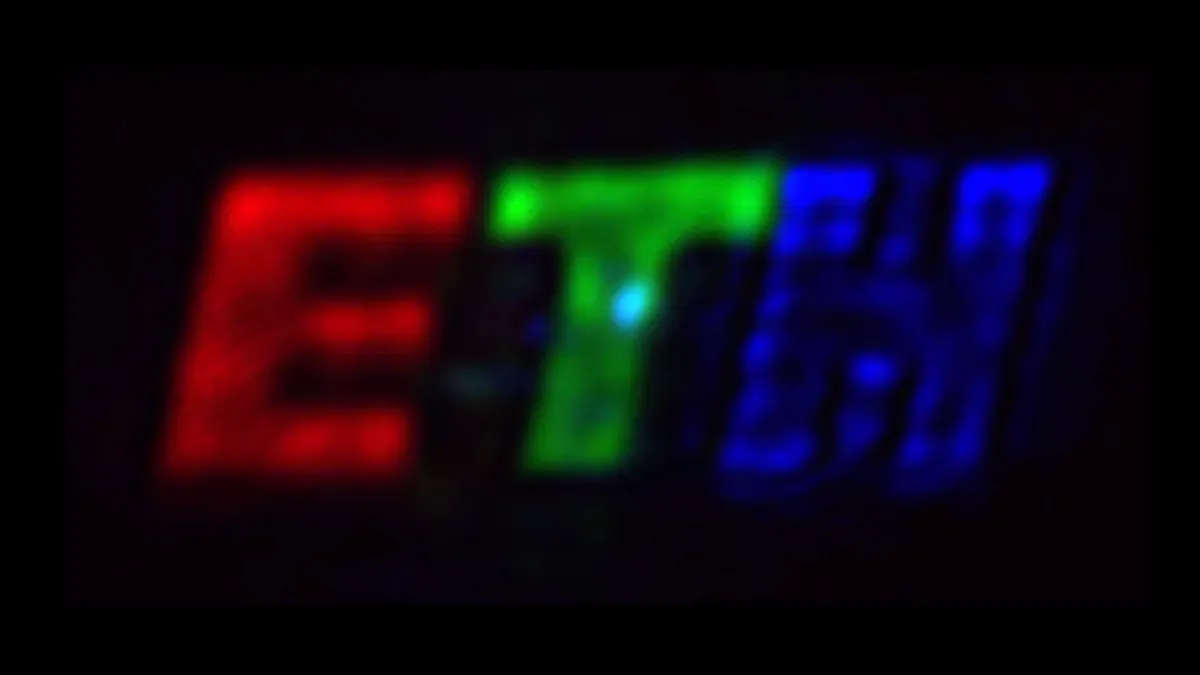
Today also brought some fascinating insights into how we perceive the world, and how the world perceives us. In Switzerland, researchers invented a new pixel that can control light and analyze your face — doing both simultaneously. This tiny technological marvel could drastically improve everything from our phone screens to advanced medical imaging, making our devices more perceptive and responsive than ever before. It's a leap in how our technology interacts with the physical world.
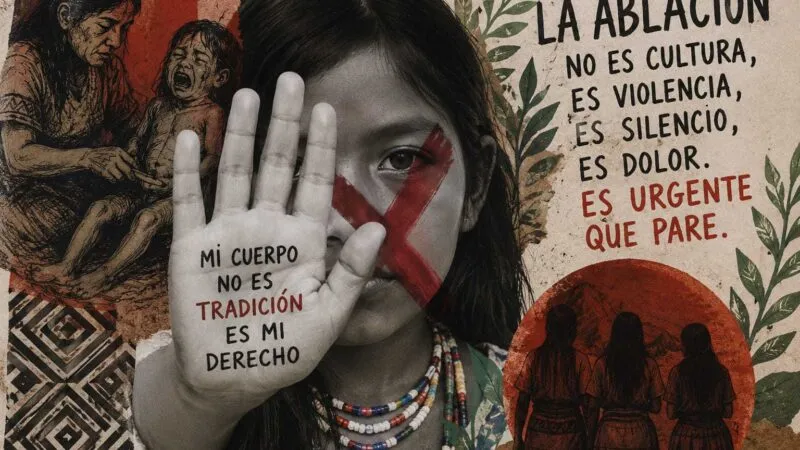
Meanwhile, in the realm of human connection, Colombia made history by becoming the first Latin American country to ban female genital mutilation. This is not just a legal change; it’s a profound recognition of a long-silenced issue, admitting the magnitude of a problem that has affected countless young girls. This move signals a wider trend of societies confronting uncomfortable truths and enacting real change for vulnerable populations.
This means that from the microscopic level of pixels to the monumental scale of social justice, we are constantly refining our ability to see, understand, and act on previously overlooked realities.
Hope stat: 100,000 — pounds of lead removed from Lake Tahoe by one determined individual.
Watch this space: The continued global movement towards recognizing and protecting vulnerable communities and ecosystems.