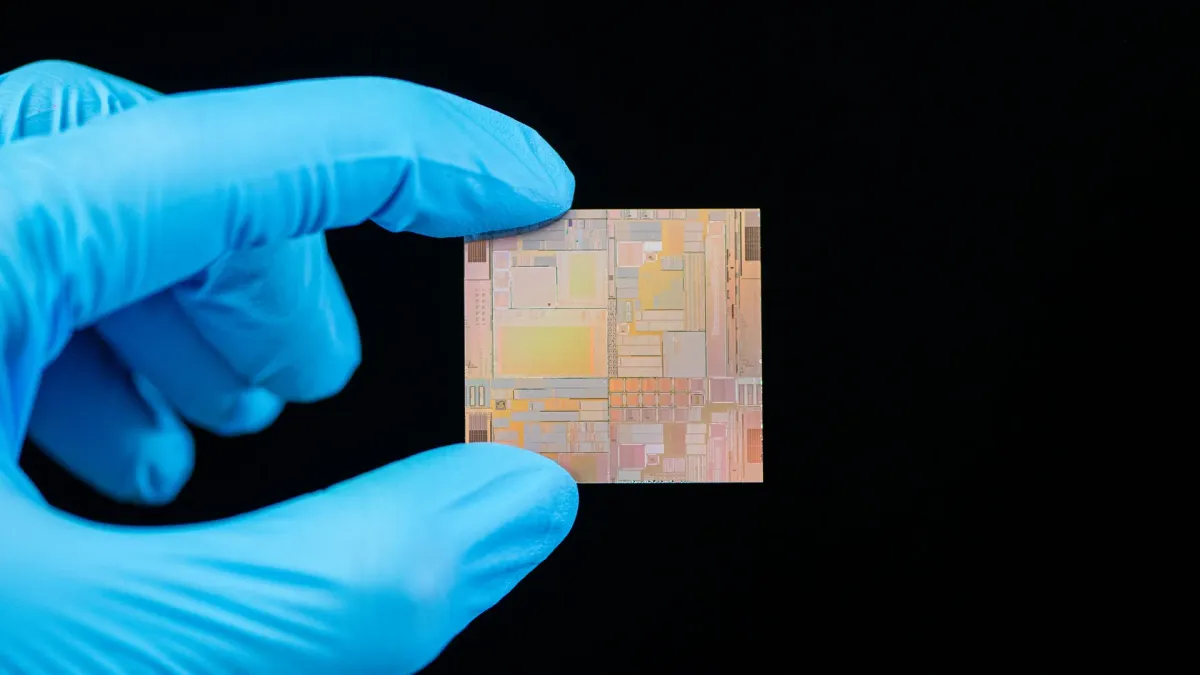
For decades, pixels have been in a bit of a professional rut. They either show you light (hello, phone screen) or they capture light (that's your camera sensor). But never, ever the twain shall meet. Until now.
Researchers in Switzerland have cooked up a brand-new kind of pixel that pulls off both tricks at the same time. It's called a Fourier pixel, and it's basically a tiny, light-bending ninja that could change how we interact with, well, everything that has a screen or a lens.

So, how does this tiny overachiever do it? It all comes down to a physics concept called interference. Think of it like this: light travels in waves. When two waves meet, they either high-five and get stronger, or they awkwardly bump into each other and cancel out. These new pixels have surfaces carved into wave-like patterns that exploit this effect.
We're a new kind of news feed.
Regular news is designed to drain you. We're a non-profit built to restore you. Every story we publish is scored for impact, progress, and hope.
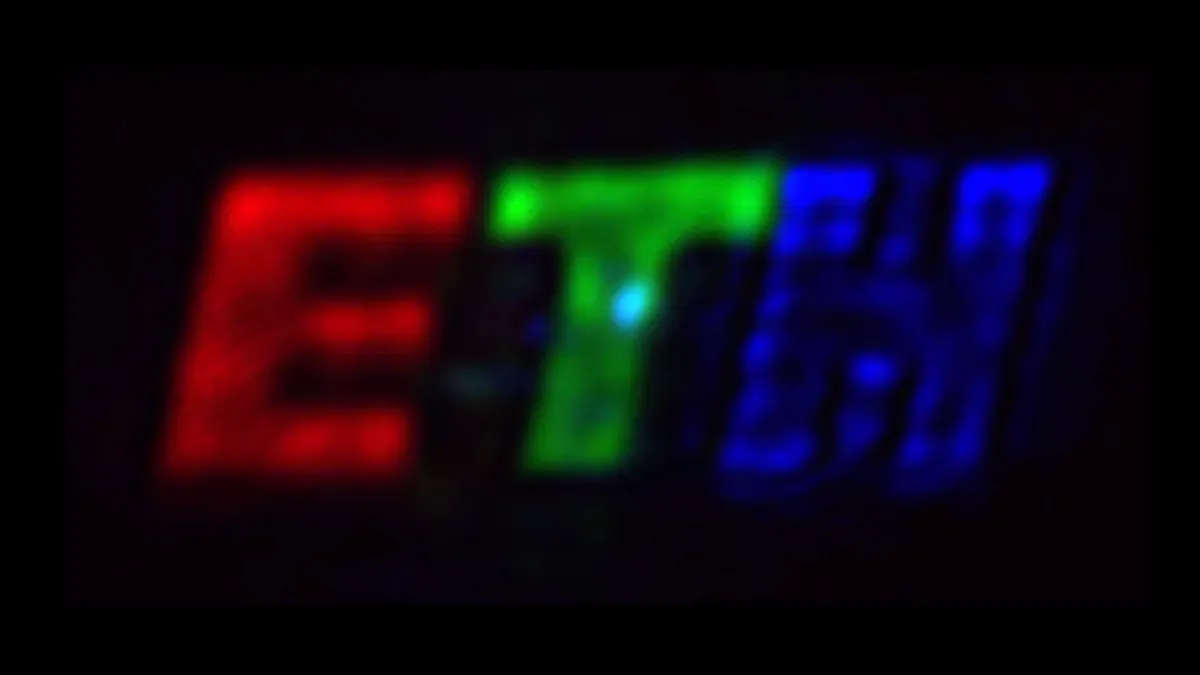
Start Your News DetoxThey essentially turn incoming light into a surface wave that zips along a chip, then convert it back into a light wave to create an image. This intricate dance allows the pixel to not just display colors, but also to "read" the light it's receiving. It's like your phone screen suddenly grew a brain and decided to understand what it's showing you, and what's looking back.
Sander Vonk, one of the researchers at ETH Zurich, explains that they use Fourier analysis – a mathematical method that sounds complex but is apparently "mathematically simple" (sure, Sander, sure) – to design the pixel's surface. This lets it simultaneously control and analyze a light wave's brightness, phase, and polarization. Which, if you think about it, is both impressive and slightly terrifying.

Your Screen Just Got Smarter
What does this mean for the rest of us? David Norris, another ETH Zurich researcher, sees these pixels popping up everywhere. Imagine a future where your laptop screen isn't just a passive display, but an active sensor that can also take your picture, process images, and understand its environment — all without needing a separate camera or computer.
The team is now working on building a full grid of these Fourier pixels. So, your next device might not just show you a perfectly crisp image; it might also be subtly analyzing your expression while doing it. Because apparently that's where we are now.