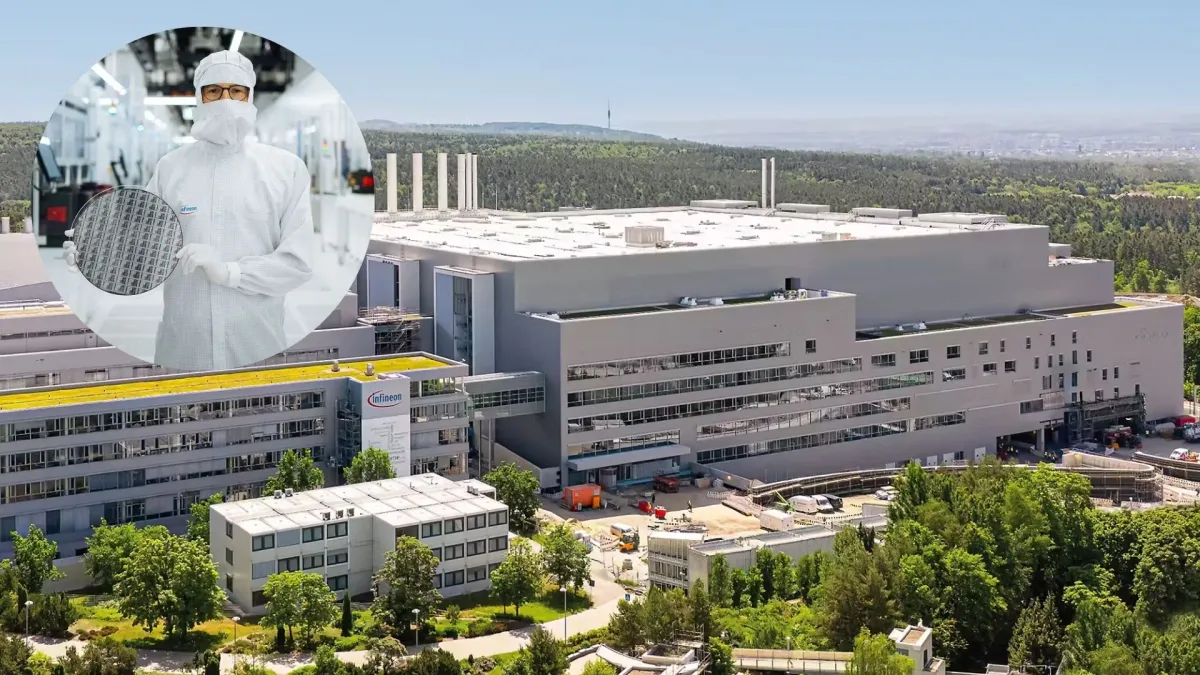
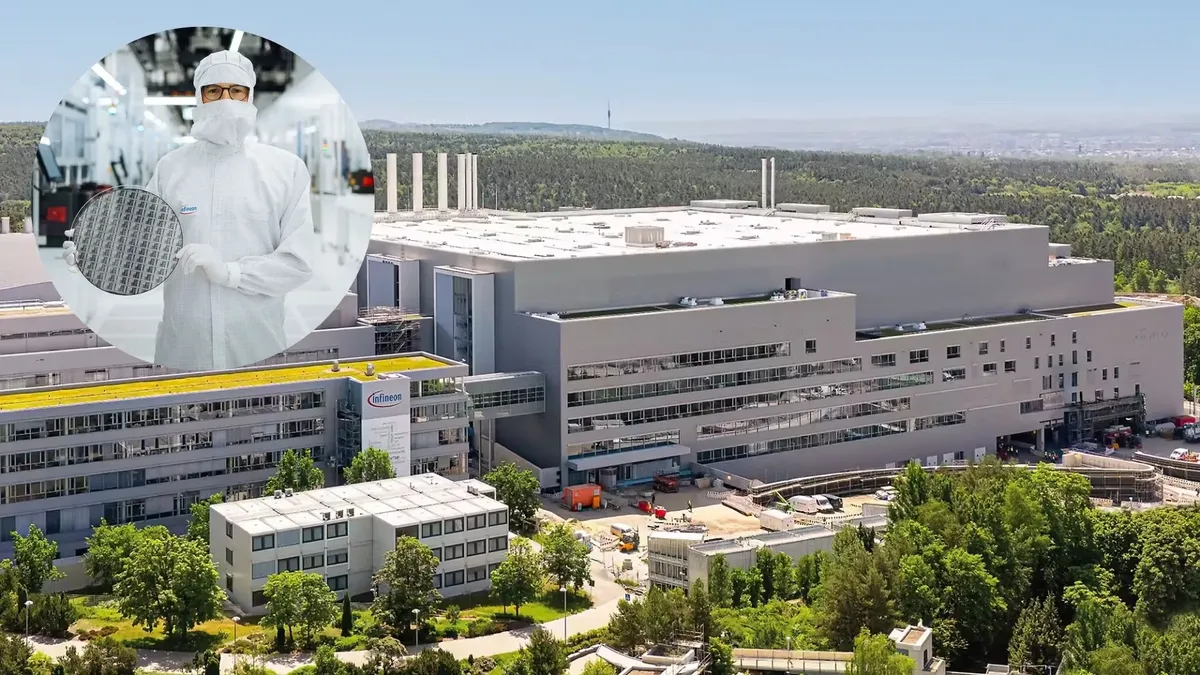
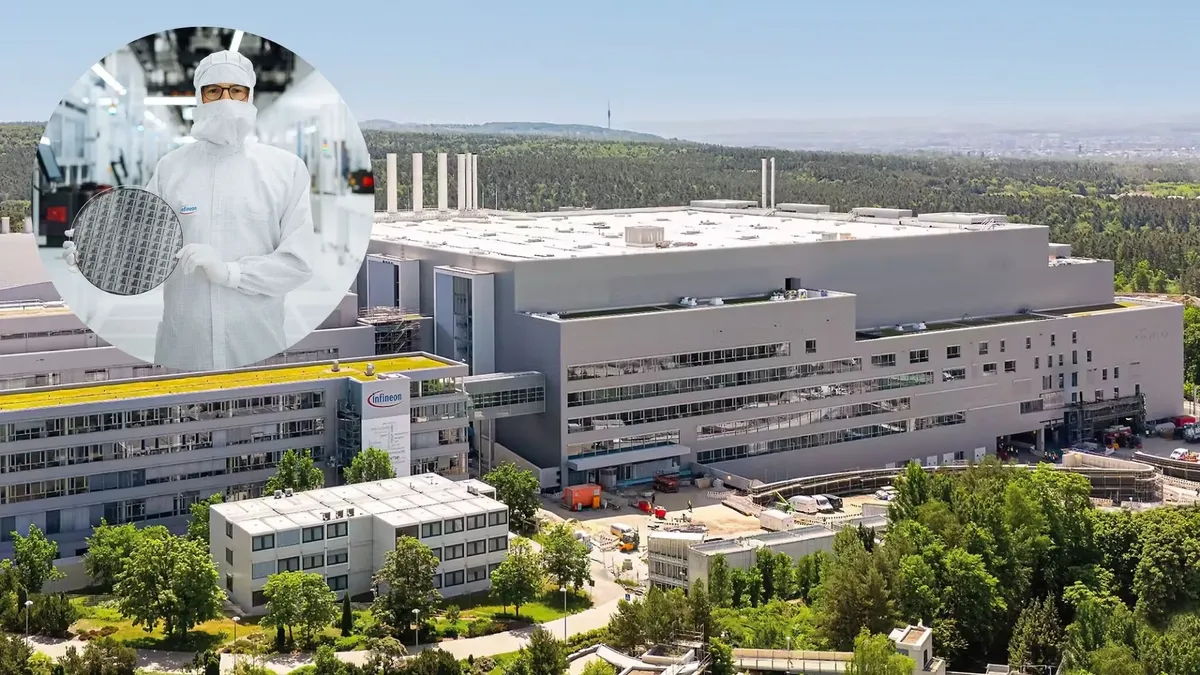
Infineon Technologies has opened its Smart Power Fab in Dresden, Germany. This new facility is the world's largest for intelligent power semiconductors and analog/mixed-signal technologies. It opened months ahead of schedule.
The company invested €5 billion (about $5.7 billion) in this project, making it the largest investment in Infineon's history. The fab will create 1,000 direct jobs and double Infineon's manufacturing capacity in Dresden.
Powering Future Technologies
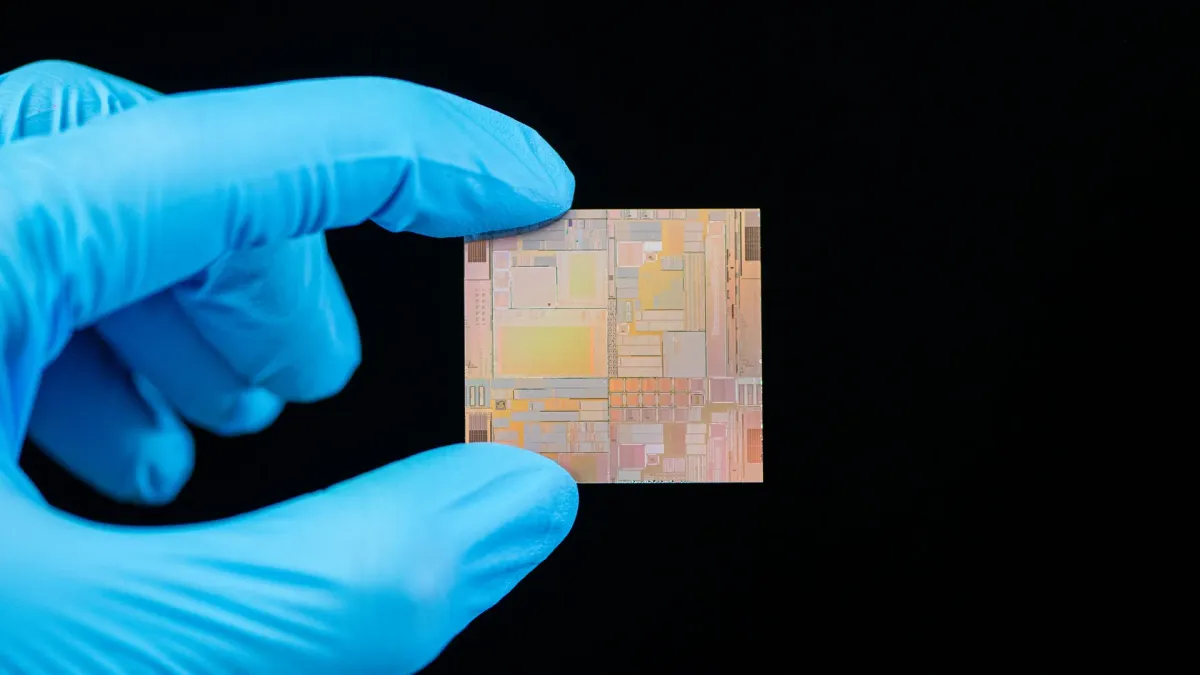
The factory will produce chips that improve how electricity is converted and managed. These devices will be crucial for AI data centers, electricity grids, and software-defined vehicles.
We're a new kind of news feed.
Regular news is designed to drain you. We're a non-profit built to restore you. Every story we publish is scored for impact, progress, and hope.
Start Your News DetoxInfineon's CEO, Jochen Hanebeck, noted that the investment comes at a critical time. Industries need more power chips for new technologies. He said the facility will provide "urgently needed capacities" and strengthen supply chains for key industries.
German Chancellor Friedrich Merz called the project a strong signal for Europe's semiconductor sector. He emphasized that competitive chip manufacturing is still possible in Germany. Merz also highlighted power semiconductors as essential for AI infrastructure and the energy transition.
AI Speeds Up Production
Infineon designed the factory with advanced digital manufacturing tools. These tools help reduce production delays and allow for faster expansion when demand increases. Engineers used a digital twin before construction to optimize the building layout and equipment placement.
Artificial intelligence helps with process qualification and production planning. Infineon states these technologies can double the speed of production ramp-up compared to older manufacturing lines.
The Dresden site is also connected to Infineon's facility in Villach, Austria, through its "One Virtual Fab" network. This allows engineers to qualify new products and processes across both facilities more quickly. A faster qualification process shortens the time from product development to large-scale manufacturing. This flexibility is vital as electricity demand grows and AI infrastructure expands.
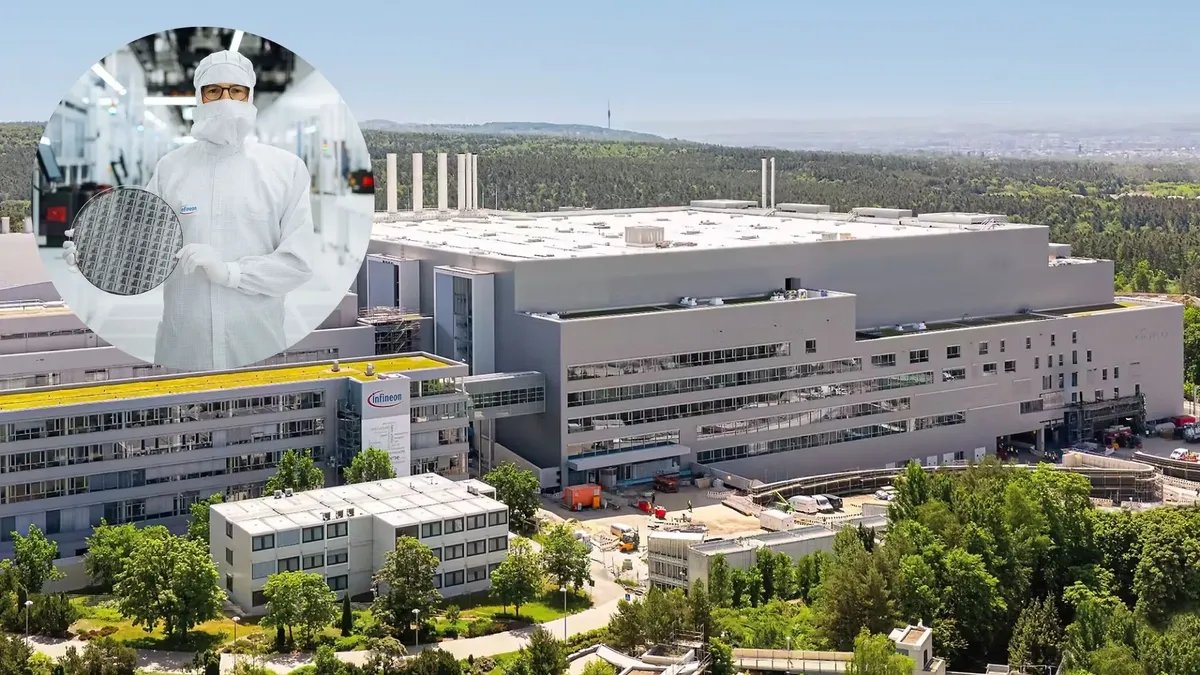
The chips made in Dresden will manage and control electrical power more efficiently. They will improve power supplies in AI data centers and support wind turbines, solar installations, and industrial equipment. The factory will also make chips for software-defined vehicles, where intelligent power switches can monitor electrical flow and control loads efficiently.
Focus on Sustainability
Infineon designed the new fab with sustainability in mind. The facility operates without natural gas. Its closed-loop water systems recycle about 90% of the process water. The company also says the design recovers up to 45% of the energy used during manufacturing.
This investment strengthens Dresden's role within Silicon Saxony, Europe's largest semiconductor cluster. Over 80,000 people already work in this regional ecosystem. Infineon expects the new fab to create additional jobs beyond its 1,000 direct hires through suppliers and supporting industries.
Power semiconductors are increasingly important as AI infrastructure grows and electricity demand rises. The new Smart Power Fab significantly boosts Infineon's manufacturing capacity. It also reinforces Europe's position in advanced semiconductor production. This investment is part of a larger European effort to expand domestic chip manufacturing and reduce reliance on overseas production for crucial technologies.