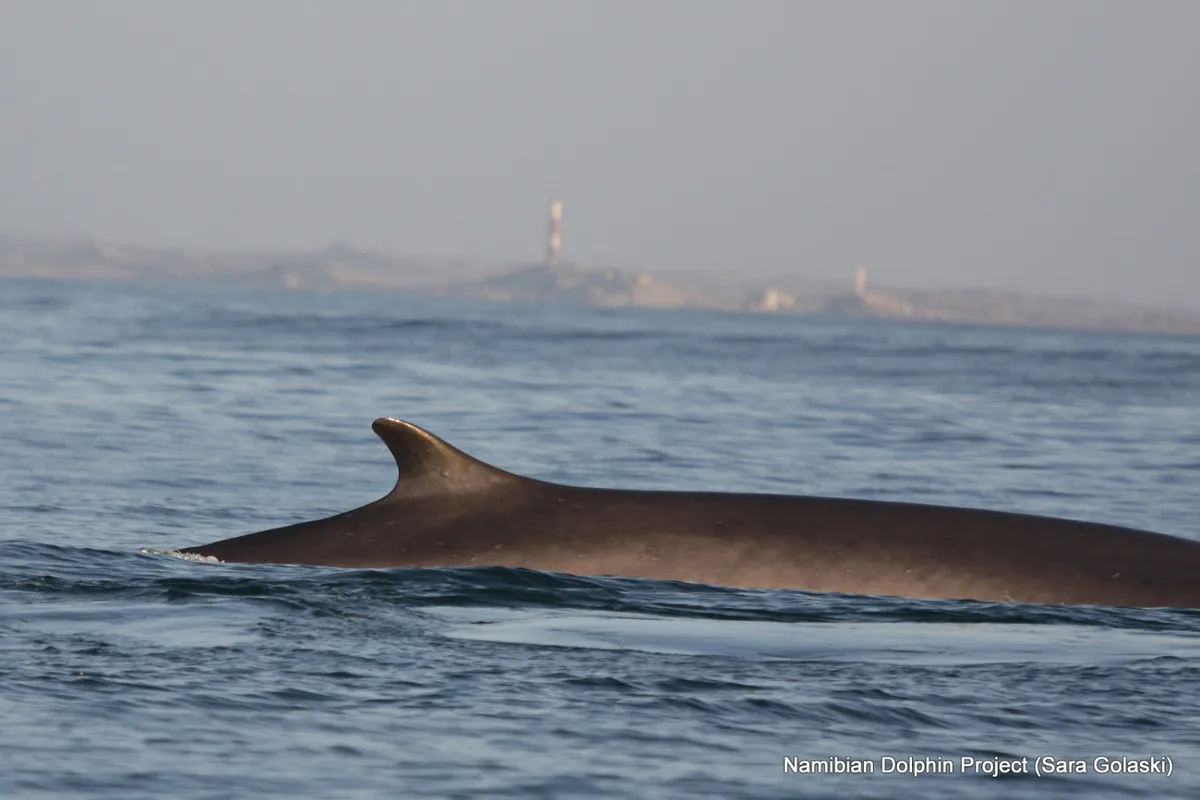
Good news, everyone: the ocean's biggest residents might be slowly but surely making their way back. After decades of being hunted to near oblivion, blue and fin whales are popping up with increasing frequency off Southern Africa's Atlantic coast. It's a comeback story we didn't always dare to hope for.
Let's not mince words: commercial whaling in the 20th century was brutal. We're talking an estimated 350,000 Antarctic blue whales and 725,000 fin whales, gone from the Atlantic between 1913 and 1978. Numbers so staggering they pushed both species to the very brink.

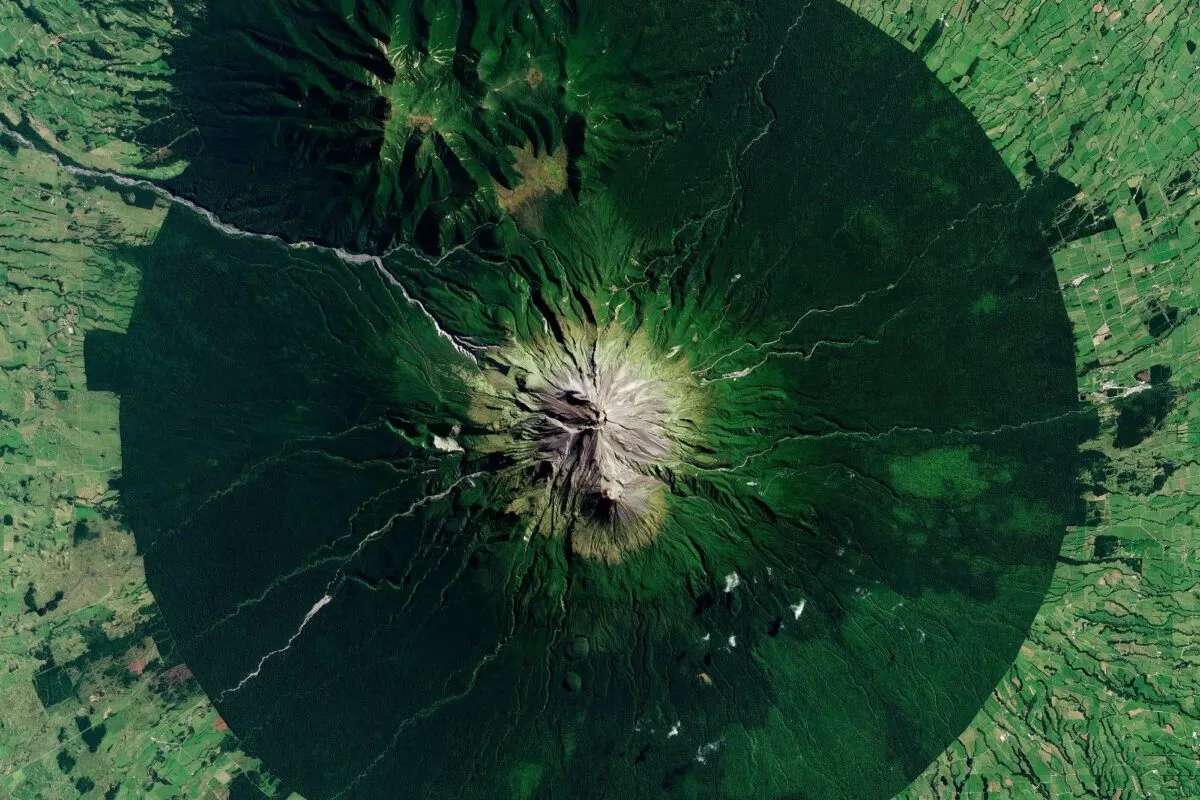
But the tides, it seems, are turning. A research team, headed by Bridget James from the University of Cape Town, set their sights on the Benguela ecosystem. This nutrient-rich stretch of ocean off the west coasts of Angola, Namibia, and South Africa is basically a giant, all-you-can-eat krill buffet — perfect for a whale looking to pack on some pounds.
We're a new kind of news feed.
Regular news is designed to drain you. We're a non-profit built to restore you. Every story we publish is scored for impact, progress, and hope.
Start Your News DetoxThe team sifted through reports spanning from 1964 all the way to March 2023. What they found was a cautious but definite cause for optimism: 17 blue whale sightings (plus one stranding, which, while sad, still counts as a sighting) and 76 fin whale sightings (with six strandings). While those numbers might still seem small, here's the kicker: 95% of all those sightings have happened since 2012.
That's right. Almost all the evidence of these magnificent creatures returning is recent. James noted that the Benguela ecosystem acts as a major highway for whales migrating between their breeding grounds and their krill-filled feeding areas. So, more sightings here could mean more whales everywhere.
It's a testament to the ocean's resilience, and perhaps a gentle reminder that sometimes, if we just stop actively trying to eradicate a species, nature finds a way to heal. Which, if you think about it, is both impressive and slightly terrifying.