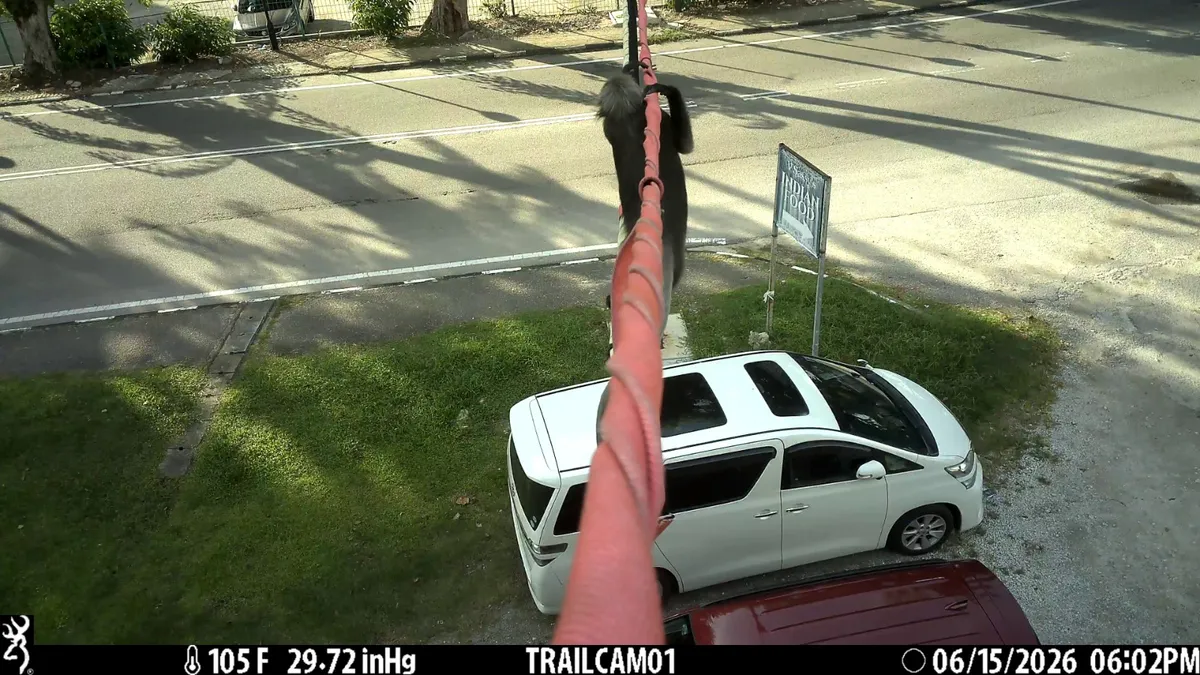
Good news for anyone who ever worried about a monkey trying to cross a six-lane highway: endangered dusky langurs in Malaysia's Penang Island are now officially using their very own, custom-built canopy bridge. Picture it: a primate-specific overpass, made from recycled fire hoses, allowing them to commute safely above the chaotic human world.
Camera traps caught the first intrepid langur making the crossing on June 1, 2026. Let that satisfyingly specific number sink in. This isn't just any bridge; it's The Obscura, a rather dramatic name for what is essentially a very clever rope ladder for monkeys. It’s located in Batu Ferringhi, a beach resort town that now has one more unexpected attraction.
The Langur Project Penang (LPP) is behind this stroke of genius. Their founder, Yap Jo Leen, explained the obvious: these bridges offer a much safer commute for langurs and macaques, keeping them far from speeding cars and pesky power lines. Because apparently, that’s where we are now — designing infrastructure for primates to navigate our fragmented urban jungles.
We're a new kind of news feed.
Regular news is designed to drain you. We're a non-profit built to restore you. Every story we publish is scored for impact, progress, and hope.
Start Your News DetoxA Creative Solution to a Serious Problem
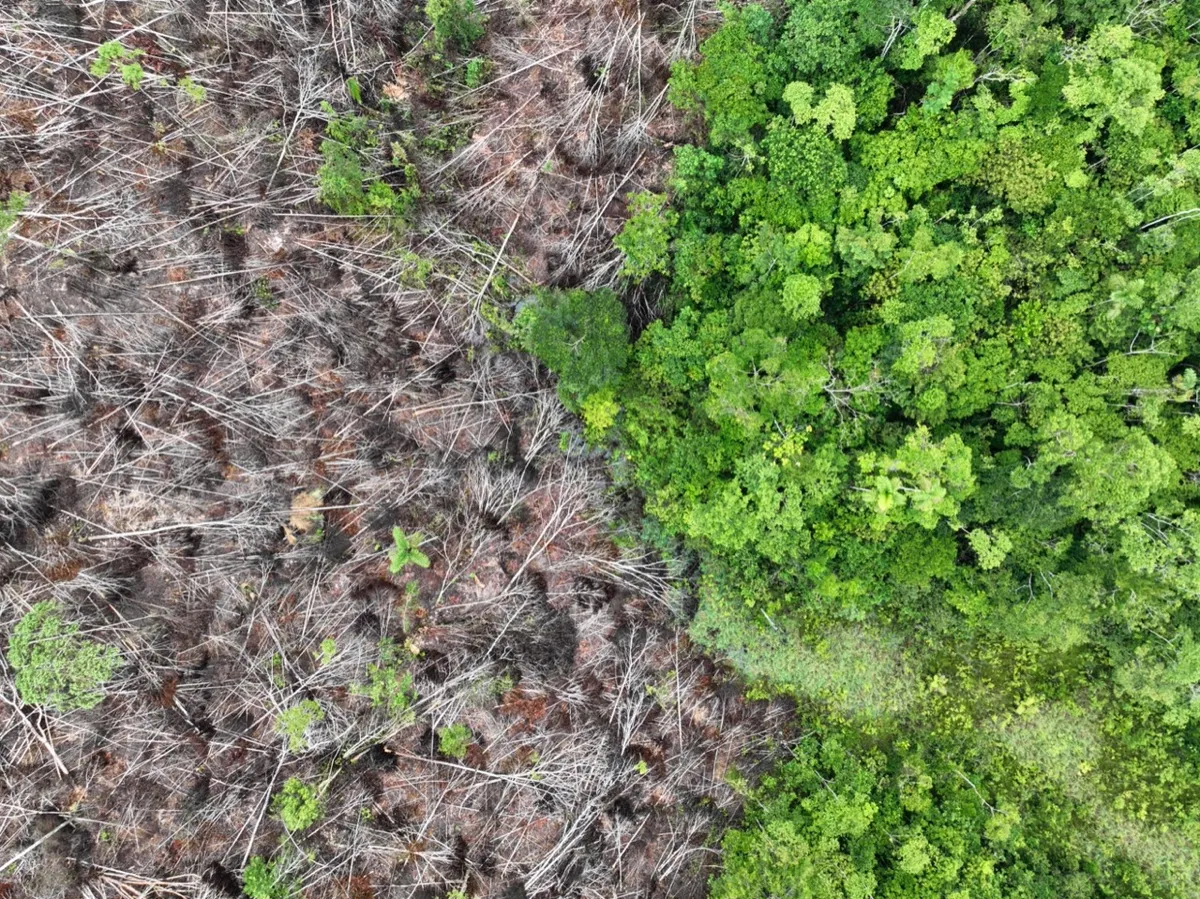
LPP isn't just building bridges for fun; they're on the front lines of Malaysia's rapid urban expansion, which has been less than kind to its forests. The country has waved goodbye to over half its forest cover since 1900. What's left is chopped up by roads and buildings, effectively trapping wildlife in areas they probably didn't sign up for.
Yap's earlier research, from 2016 to 2018, painted a grim picture: eight langurs met their untimely end on Penang's roads. To prevent more such tragedies, LPP has now installed three of these fire hose marvels. The Obscura is the latest addition, joining Ah Lai’s Crossing, which has been helping langurs reach their dinner since 2019. It’s a smart, resourceful solution to a very human-made problem, proving that sometimes, the best way to help wildlife is to give them their own elevated escape route.