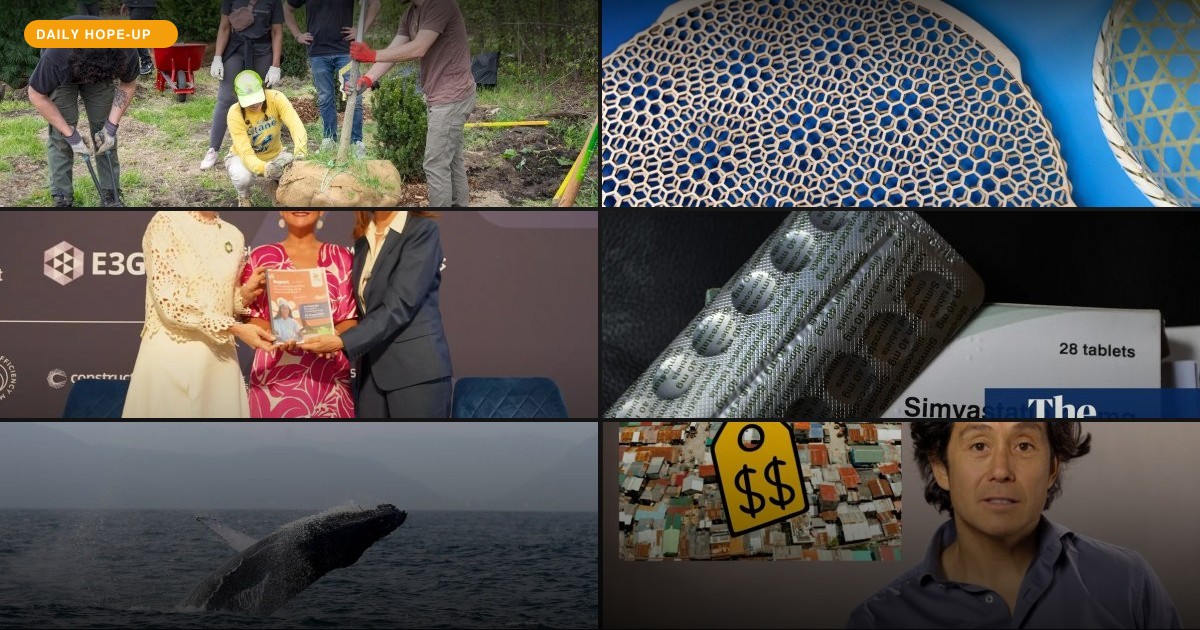
From the humble city tree to the high-flying dream of supersonic jets, today's news cycle felt less like a collection of disparate events and more like a concerted effort to, well, do better. Whether it's the quiet persistence of nature or the loud ambition of human ingenuity, the patterns emerging suggest a world actively leaning into smarter solutions.
Nature's Quiet Comeback, Human-Aided
It turns out, sometimes all nature needs is a little space and a lot less interference. In Rio de Janeiro, humpback whales are making a dramatic return, their numbers surging to the point where whale-watching excursions are booming. It's a vivid reminder that when commercial whaling stops, species can, and do, recover. Meanwhile, on Hawaii's Big Island, the annual "Turtle Independence Day" saw dozens of young green sea turtles released into the ocean, a tradition since 1989 that spotlights ongoing conservation efforts. And not to be outdone, London's air is getting noticeably cleaner, with air pollution deaths plummeting 40% in just five years—a testament to policy changes and, perhaps, the city's increasingly mandatory urban trees.

This trend means that the collective sigh of relief from ecosystems isn't just a fantasy; it's a measurable outcome of deliberate action.
We're a new kind of news feed.
Regular news is designed to drain you. We're a non-profit built to restore you. Every story we publish is scored for impact, progress, and hope.
Start Your News Detox"The coral had been declared dead in 2019. Five years later, it's not just alive — it's spawning." — Read the full story
Smarter Solutions, Everywhere You Look
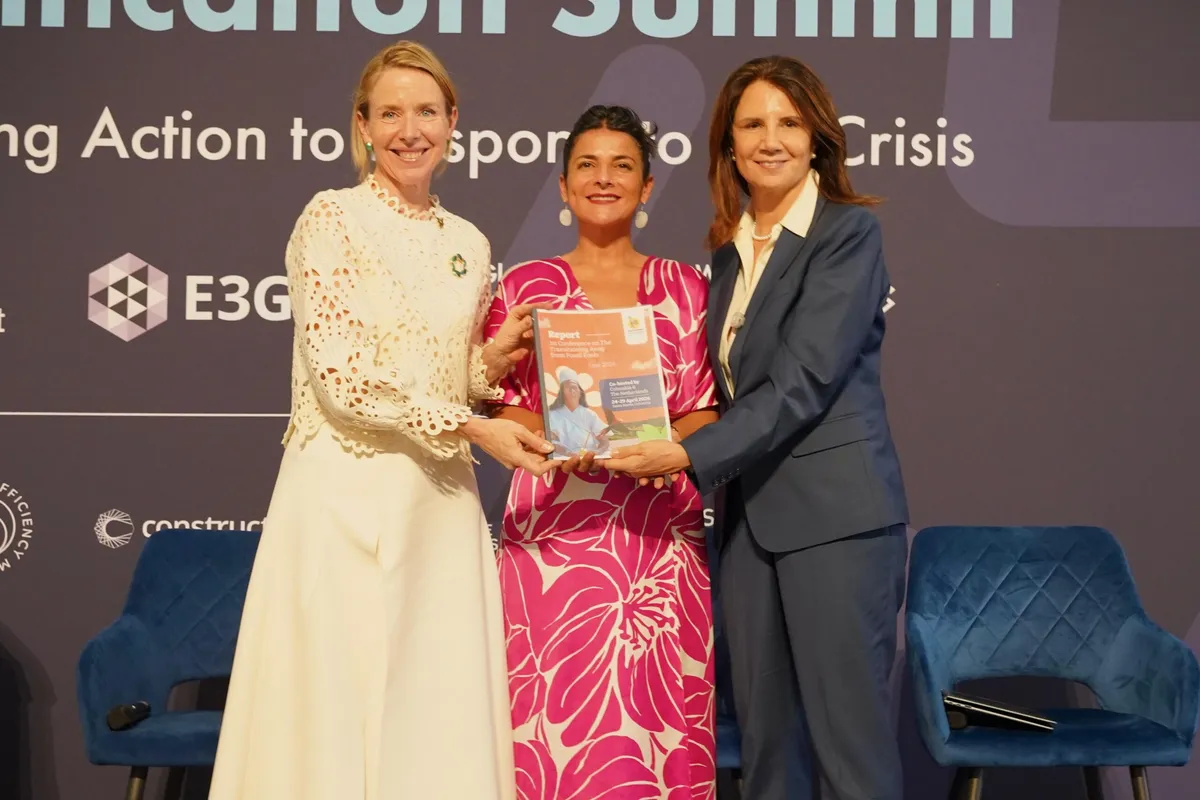
Innovation isn't just for Silicon Valley anymore; it's weaving its way into everything from urban planning to global economics. In Ireland, engineers have transformed a seawall into a five-star hotel for marine life by integrating hexagonal concrete panels designed to harbor sea creatures. It's a subtle but powerful shift in how we build, making infrastructure work with nature, not against it. On a grander scale, 57 nations just agreed on a fossil fuel exit strategy—no, really. This isn't just talk; it's a defined path, a blueprint for global energy transition.
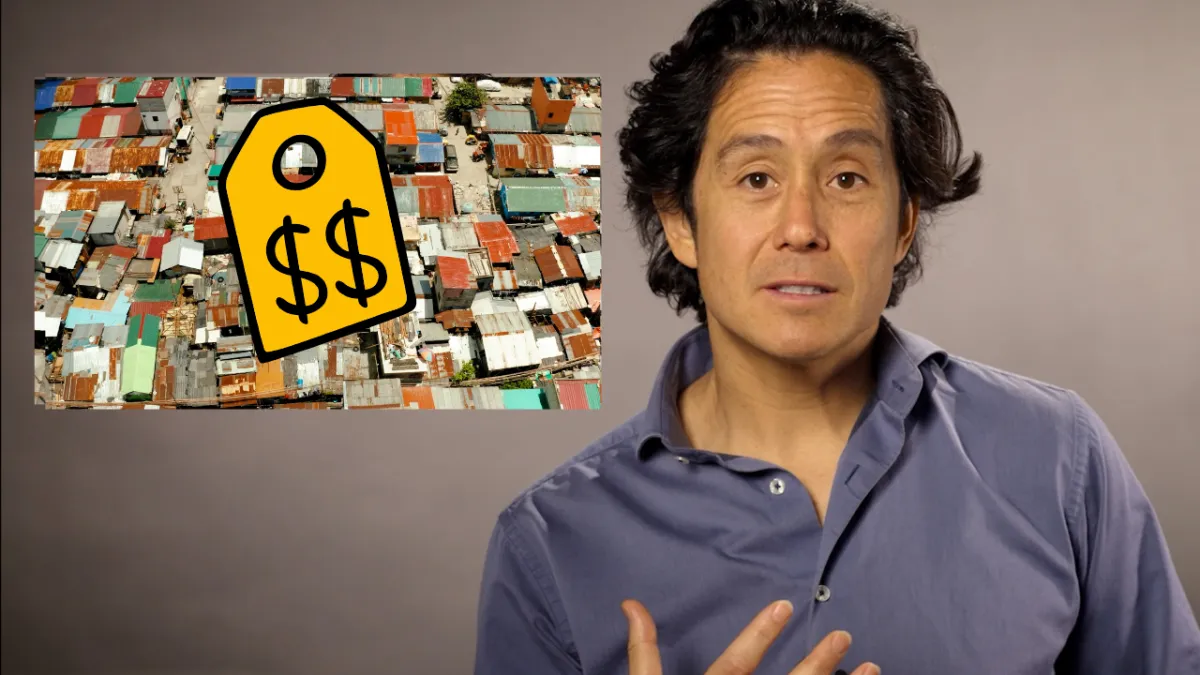
Even the notoriously difficult problem of ending extreme poverty now has a quantified price tag, thanks to researchers like UC Berkeley Professor Joshua Blumenstock leveraging machine learning. Knowing the cost means we can finally start talking about funding, rather than just hoping. And for the truly forward-thinking, AI just drastically sped up the hunt for room-temperature superconductors, a holy grail in physics that could revolutionize energy and technology.

What this means is that we're moving beyond identifying problems to actively, intelligently, and collectively engineering solutions across every imaginable sector.
Hope stat: 57 — the number of nations that just agreed on a concrete fossil fuel exit strategy, moving from ambition to actionable plans.
*Watch this space: The FAA's push to bring back supersonic flight over land will certainly test our collective tolerance for sonic booms.