For over half a century, the skies above the U.S. have been decidedly un-supersonic. A ban on civilian aircraft breaking the sound barrier over land has been in place since the 1970s, primarily to prevent the kind of sonic booms that make small children cry and old windows shatter. Because, apparently, no one enjoys a surprise explosion sound while enjoying their afternoon tea.
But now, after 53 years of relative quiet, the Federal Aviation Administration (FAA) is eyeing a comeback. They've proposed new rules that could finally lift that ban, thanks to some genuinely impressive leaps in aircraft engineering. Because, as it turns out, we've learned a thing or two about planes since the disco era.
The Quiet Revolution
The FAA's big idea hinges on making supersonic flight, well, less obnoxious. Their new rules set a strict noise limit: any new planes can't create a sonic boom overpressure greater than 0.11 pounds per square foot (psf). What does that mean for us earthbound mortals? Instead of a house-rattling BOOM, you'd hear something closer to a car door closing. Which, if you think about it, is both impressive and slightly terrifying that we're comparing a jet breaking the sound barrier to a Honda Civic.
We're a new kind of news feed.
Regular news is designed to drain you. We're a non-profit built to restore you. Every story we publish is scored for impact, progress, and hope.
Start Your News DetoxFAA administrator Bryan Bedford confirmed that these changes are designed to allow supersonic travel across the U.S. while keeping communities from needing to replace their entire glassware collection. A noble goal, indeed.
Rewind to the 70s, and the ban makes a lot more sense. While domestic supersonic travel never really took off, military test flights were often near residential areas. The resulting sonic booms were notorious for cracking walls, breaking windows, and generally causing a ruckus. After a flood of complaints (and likely a few angry letters from insurance companies), the government finally said, "Enough!" and banned continental supersonic flight in 1973, save for a few very remote, very specific areas.

Couple that with the highly publicized, and sometimes deadly, issues surrounding the Concorde, and supersonic aviation got a pretty bad rap for decades. But behind the scenes, both private companies and government agencies like NASA kept plugging away, determined to make these planes safer, and crucially, quieter.
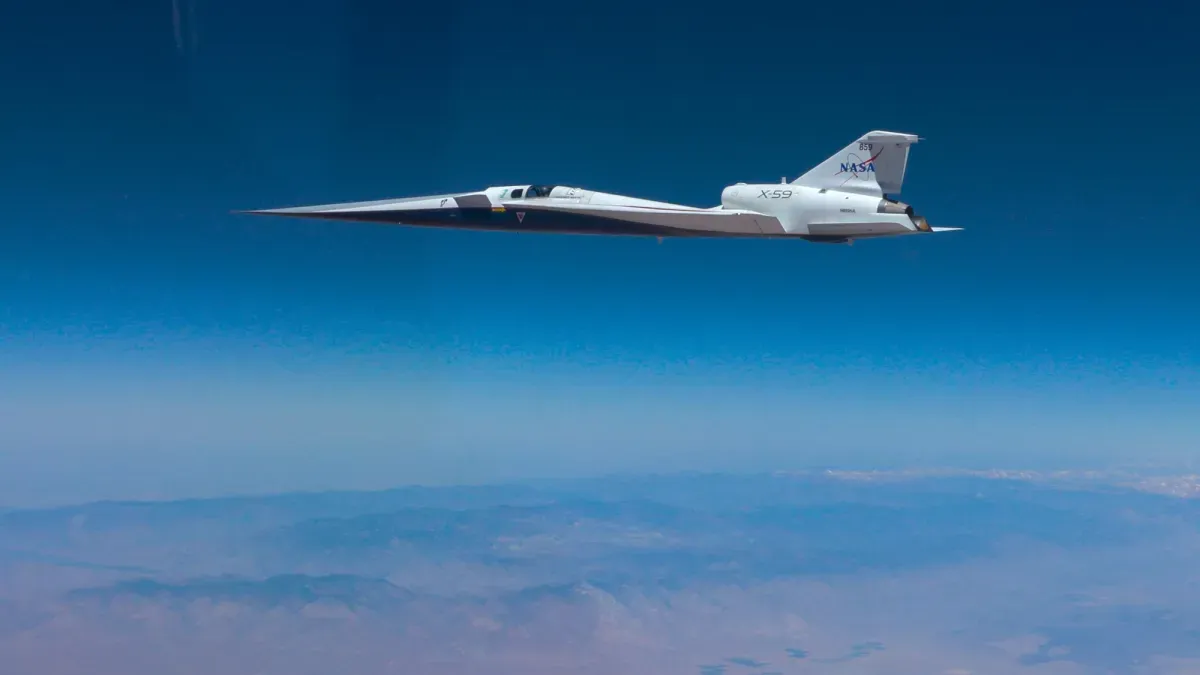
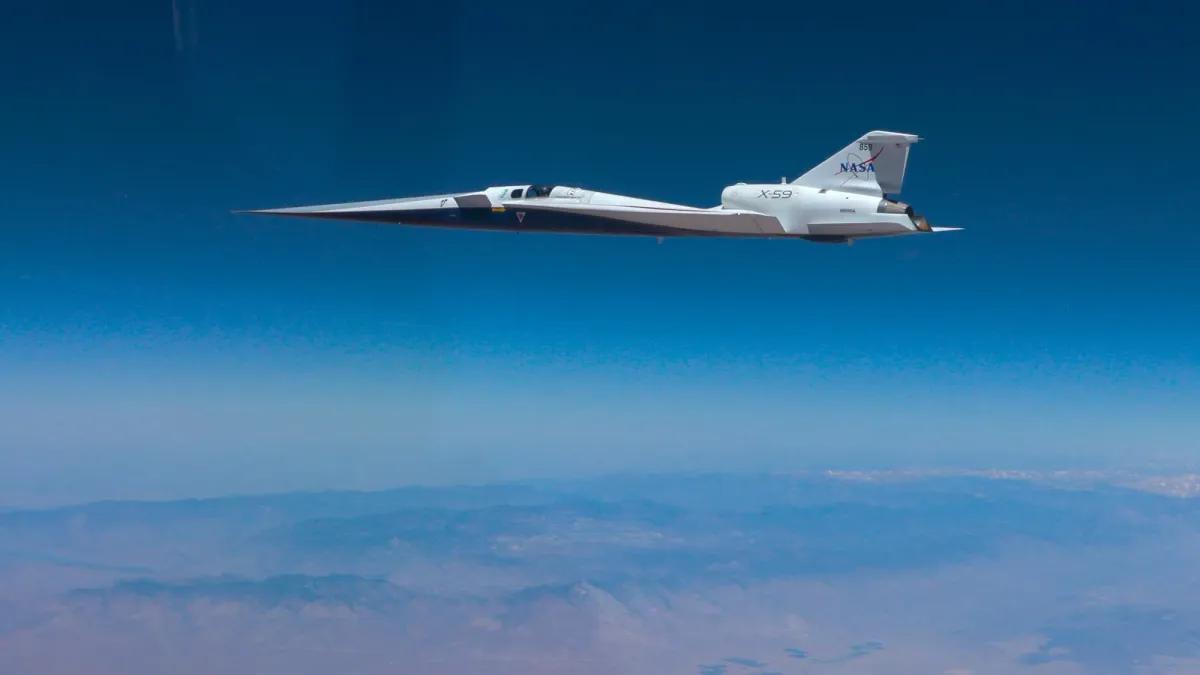
Last year, NASA unveiled its X-59 experimental airplane, which is engineered to produce a mere sonic "thump" instead of a full-blown boom. Meanwhile, private ventures like Boom Supersonic and Dawn Aerospace are busy developing their own commercial supersonic aircraft, hoping to whisk you from New York to London before you even finish your in-flight movie.
The FAA isn't stopping there. They're planning another proposal later this year to set noise standards for takeoffs and landings. While we're not quite at the point of casually hopping on a supersonic jet for a weekend getaway, the FAA's proactive support suggests that ultrafast air travel might just be a lot closer than it looks. Prepare your ears for a very polite thump.