Engineers at the University of Texas at Austin have created a jacket that can pull drinking water from the air. This new technology could help people who need clean water in remote areas, like hikers, farm workers, or emergency responders.
Guihua Yu, a professor at the Cockrell School of Engineering, explained that water harvesting is usually done with large, stationary devices. The team wanted to make the technology wearable, allowing personal and portable access to water.
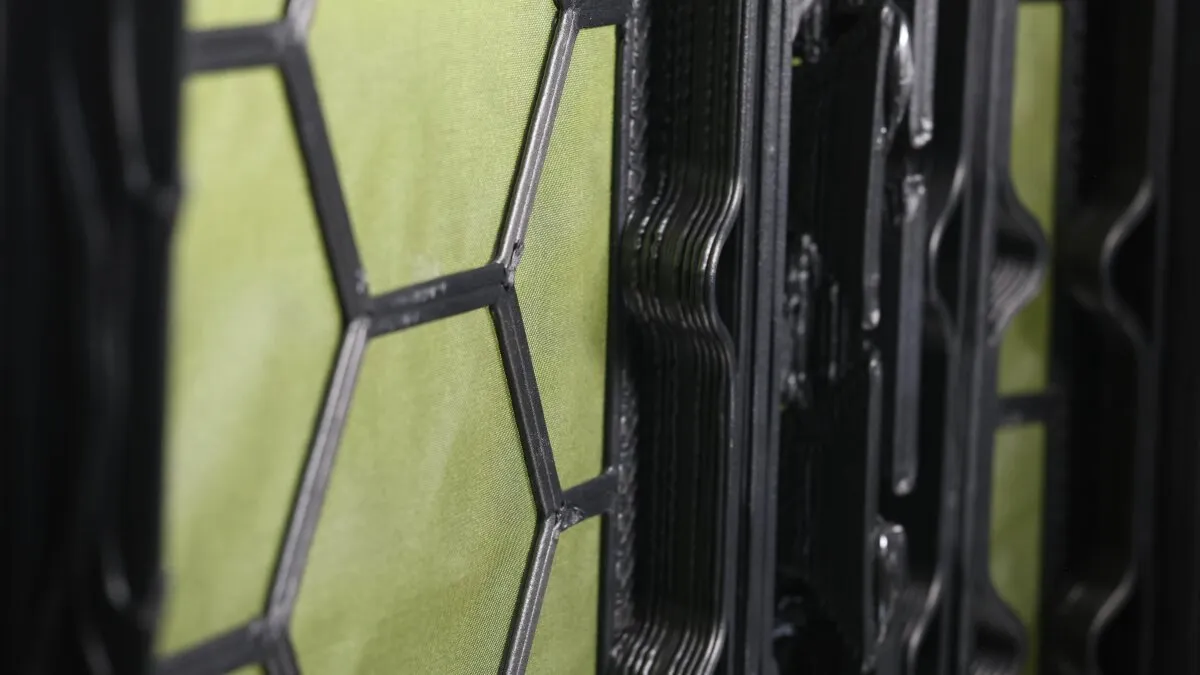
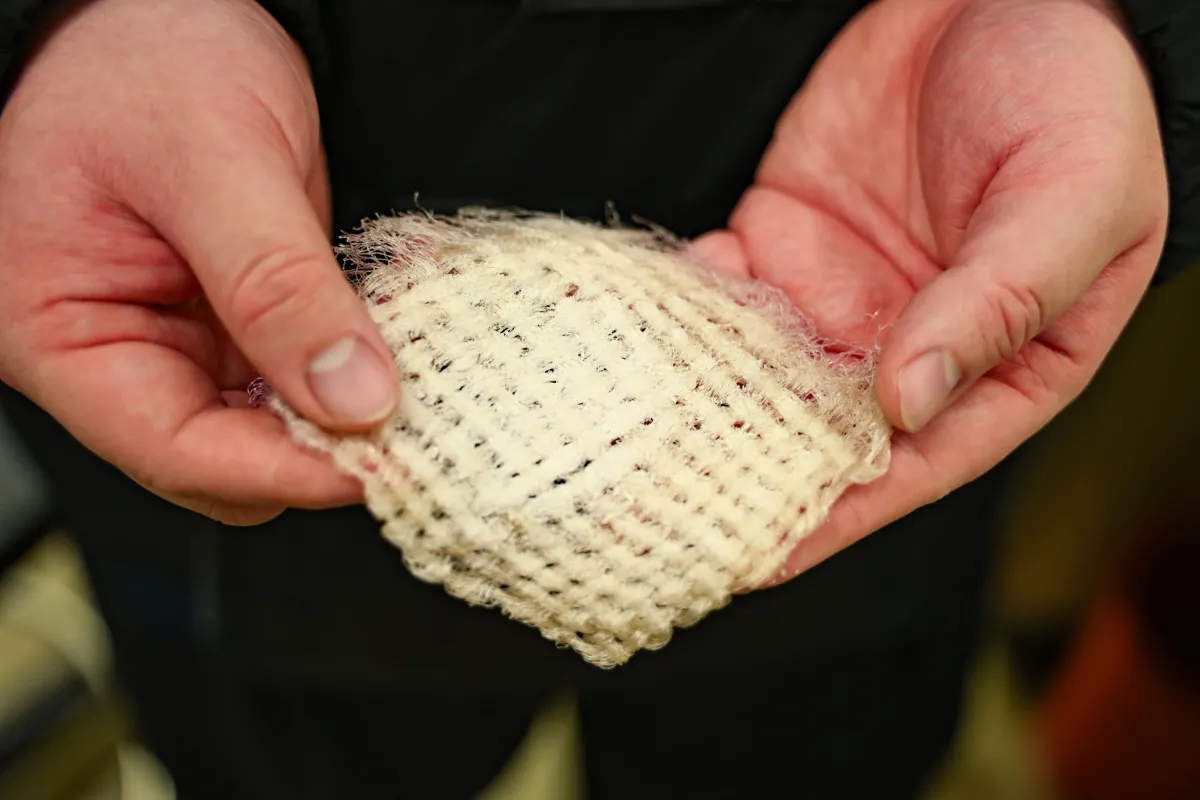
The jacket uses a special fabric that collects moisture from the air. This moisture then goes into detachable units. These units are placed in a foldable collector and heated to release the water.
We're a new kind of news feed.
Regular news is designed to drain you. We're a non-profit built to restore you. Every story we publish is scored for impact, progress, and hope.
Start Your News DetoxDepending on how humid it is, the jacket can produce between 14 and 30 fluid ounces of drinkable water each day.
Advanced Moisture Collection
This new textile is much better than other water-harvesting materials, performing three to ten times better. The team focused on how water moves through the fibers, which was a big challenge before.
Keith Johnston, a co-author of the research, noted that the team didn't just make a material that absorbs water. They designed a way for water to move quickly from vapor in the air to liquid on the fiber, and then into the textile. This design allows the material to work in a real-world, wearable system.
The researchers believe this technology could also be used in other products like backpacks, tents, and emergency shelters. Future plans include using it for recreation, field operations, disaster relief, and improving water access in dry areas.
Record-Breaking Water Extraction
The same research team also developed a separate system that set new records for collecting water from the air. This system worked well in both the hot, dry Chihuahuan Desert in New Mexico and the more humid climate of Austin, Texas. This shows that collecting moisture from the air can help solve drinking water shortages.
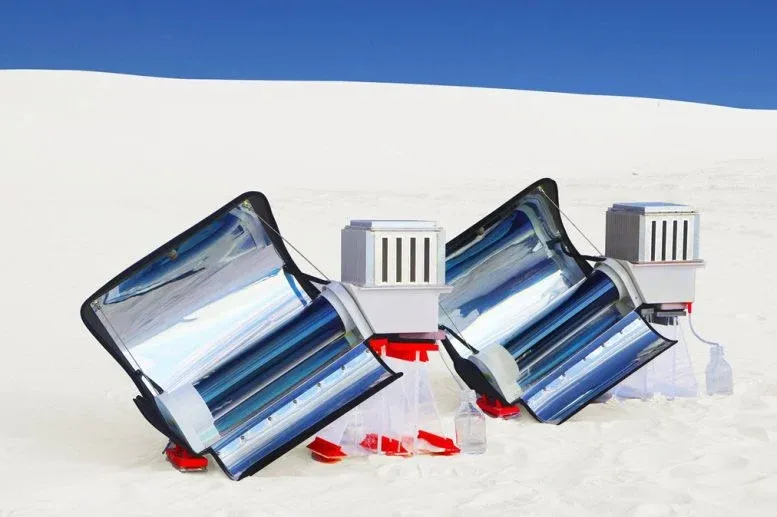
The device collected 1.3 liters (44 fluid ounces) of clean water per day in both dry and semi-humid places. This means it collected 4.3 liters (1.1 gallons) of water for every 2.2 pounds of moisture-capturing material each day. This performance is better than any previous results from other research groups.
Weixin Guan, a lead author of the Nature Water paper, called this a big step toward practical atmospheric water harvesting. He noted that it's meaningful to see years of work come together in a system ready for use in the field.
Hydrogel Technology for Water-Stressed Regions
The device uses a special hydrogel fabric made from plant-based materials. This material absorbs water vapor from the air and releases it when heated by sunlight. The released moisture is then condensed into liquid water.
Many areas that could benefit most from this technology are also among the world's most water-stressed regions. These include parts of North Africa, the Middle East, South Asia, and sub-Saharan Africa. This system could provide a local source of drinking water for remote communities and disaster relief efforts, especially where traditional water systems are hard to build.