A Texas-based company, Momentum Technologies, just pulled off what many thought was impossible: recovering rare earth elements from e-waste with almost perfect purity. We're talking 99.9% pure, which, if you think about it, is both impressive and slightly terrifying if you consider what we're throwing away.
They managed to extract 99.9% pure neodymium praseodymium oxide from things like old phones and magnet production scraps. Then there's the 99.5% pure dysprosium from magnet waste and yttrium from mined materials. All this wizardry happened at their Carrollton, Texas plant, thanks to something called Membrane Solvent Extraction (MSX) technology. Because apparently, that's where we are now: pulling high-tech gold from literal garbage.
Momentum didn't just stumble upon this. They developed the MSX tech with the U.S. Department of Energy and Oak Ridge National Laboratory. It's designed to snatch those high-purity rare earths and battery materials from both new and already-used sources. Think of it as a highly sophisticated rare-earth magnet for other rare earths.
We're a new kind of news feed.
Regular news is designed to drain you. We're a non-profit built to restore you. Every story we publish is scored for impact, progress, and hope.
Start Your News DetoxWhy This Purity Obsession?
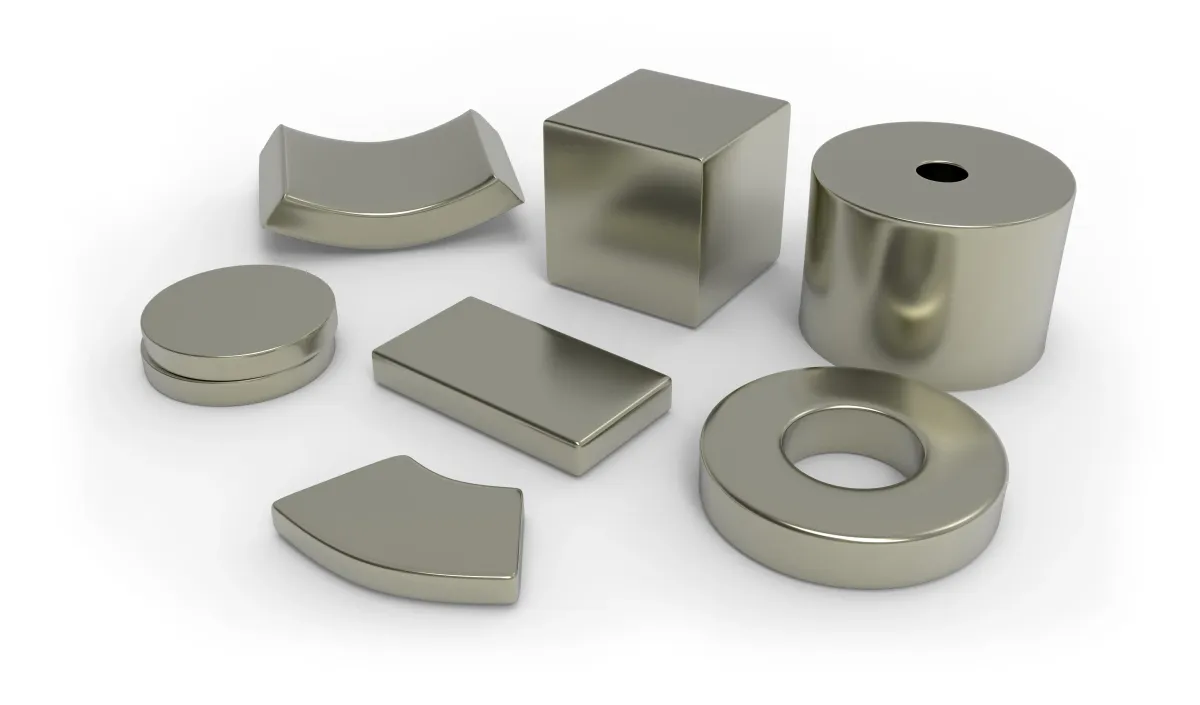
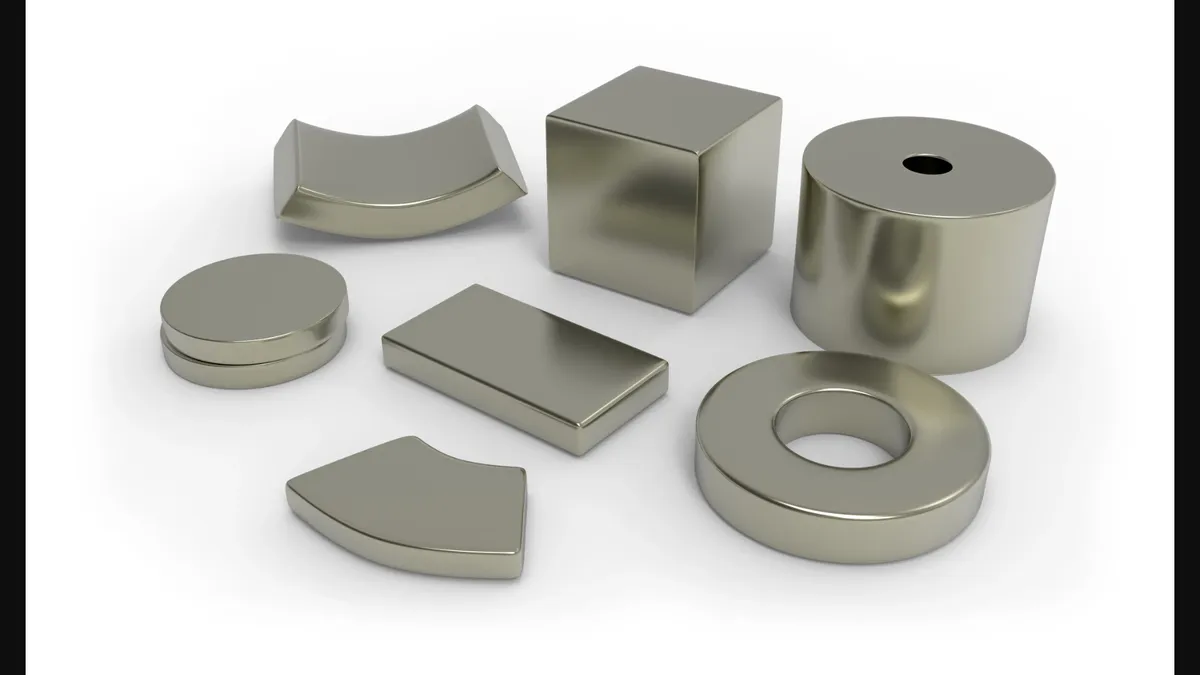
Turns out, when you're building magnets for defense systems, robots, electric vehicles, or anything related to AI, those elements like neodymium, praseodymium, dysprosium, and terbium need to be over 99% pure. A few too many impurities, and your high-performance gadget suddenly starts performing like, well, something less than high-performance. Which, for an EV, is probably not ideal.
Getting this kind of purity from recycled materials has been the holy grail — or perhaps the impossibly tiny needle in the impossibly large haystack — of the rare earth industry. It's why the U.S. has lagged on rare earth recycling for so long.
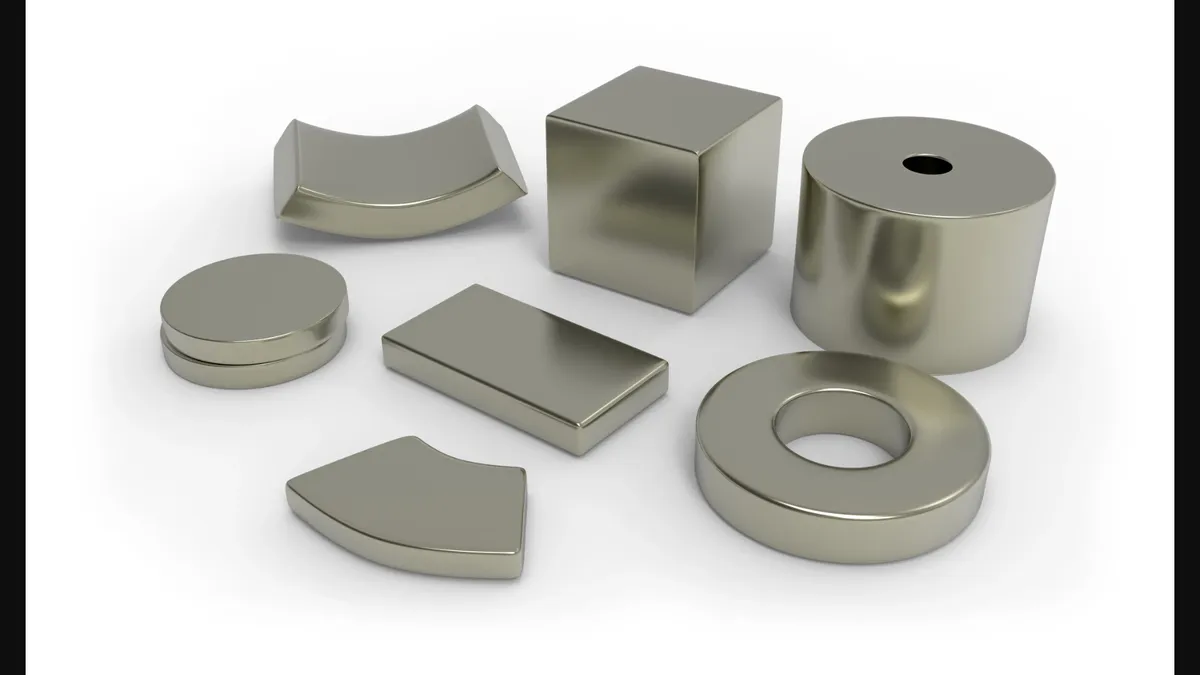
Dr. Simon Choong, Momentum's VP of Product Development, noted that hitting over 99.5% purity for heavy rare earths like dysprosium and yttrium from various waste streams used to be the exclusive domain of massive Chinese operations. Now, Momentum's MSX platform can do it in a small, modular system, built right here in the U.S. — using both waste and newly mined materials. Let that satisfying number sink in.
The Geopolitical Element (Pun Intended)
Rare earths aren't actually all that rare in the Earth's crust, but finding concentrations worth mining? That's a different story. The U.S. has about 3.6 million tons of known deposits, while Canada clocks in at over 14 million. But here's the kicker: the U.S. imports 67% of its rare earths, mostly from China, Malaysia, Estonia, and Japan.
And when it comes to separating these elements into their pure forms, the U.S. is largely running on pilot programs. China, meanwhile, controls an estimated 91% of the world's rare earth refining. This kind of concentrated power has made policymakers more than a little nervous, especially after a few trade spats. So, recycling from secondary sources isn't just good for the planet; it's a strategic move.
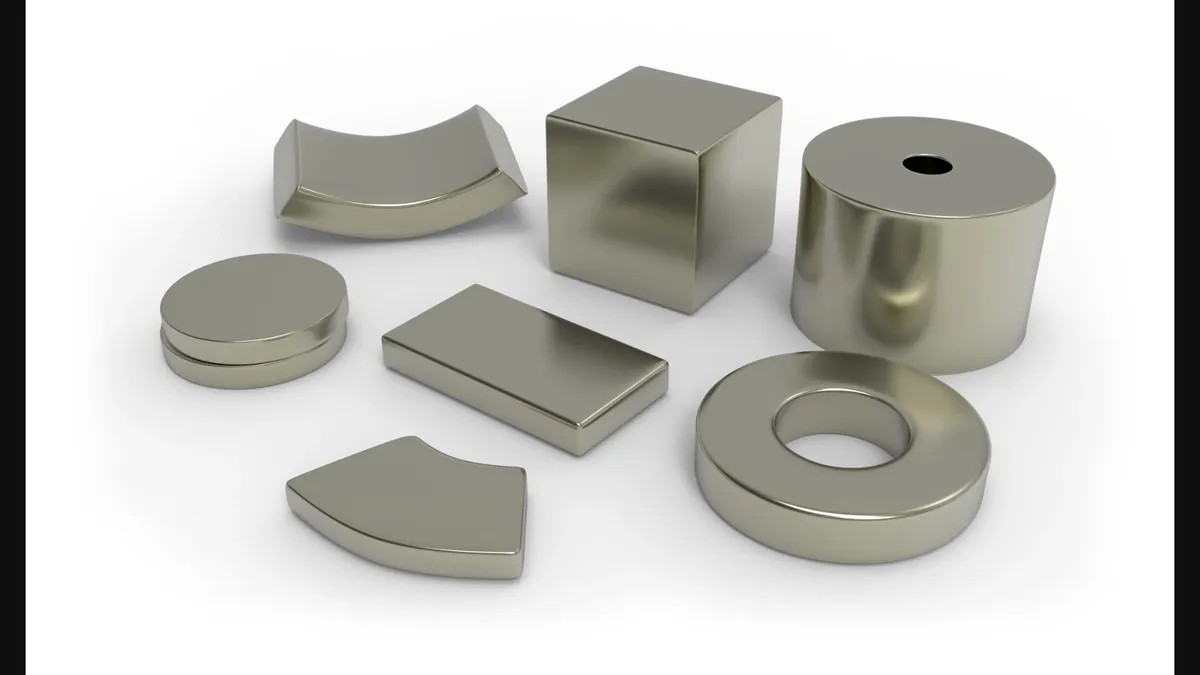
Looking ahead, Momentum's MSX technology is designed to be modular and scalable, meaning they can plop these refining facilities down where they're needed. They also claim lower costs compared to older methods, mainly because it sidesteps all the headaches like reactor scaling and handling gnarly waste byproducts. The plan? Build commercial-scale facilities to pump out 100 to 1,000 tons per year, filling immediate supply gaps for defense, physical AI, automotive, and medical industries. Because who knew your old smartphone held the key to national security?