Origami, the Japanese art of paper folding, has inspired a new 3D printing method. This technique creates structures without molds. Instead, the printed parts fold into shape after printing.
Steven Guzorek, lead researcher at Oak Ridge National Laboratory (ORNL), said this method combines material science with new design ideas. He noted that applying origami principles to hybrid materials makes manufacturing large structures more efficient. It also allows for shapes that traditional methods cannot achieve.
Printing Without Molds
Making composite parts usually creates strong pieces. However, it involves long planning and expensive molds. The ORNL technique removes the need for molds. It uses connected "flat-to-foldable" panels instead.
We're a new kind of news feed.
Regular news is designed to drain you. We're a non-profit built to restore you. Every story we publish is scored for impact, progress, and hope.
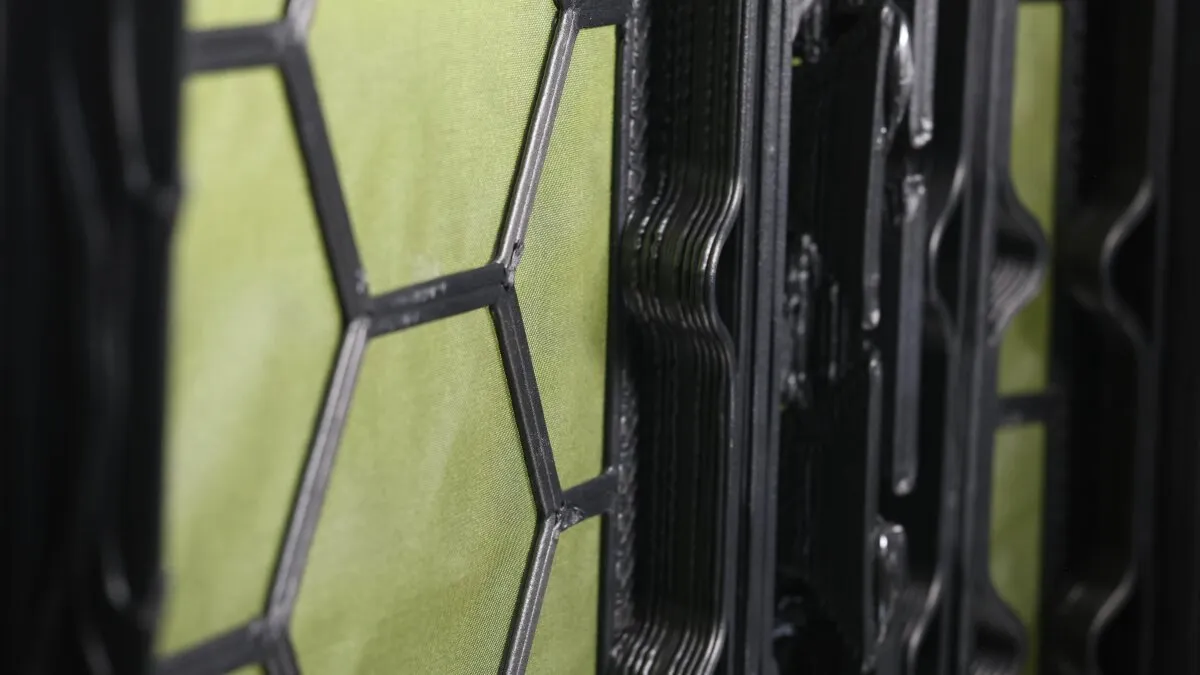
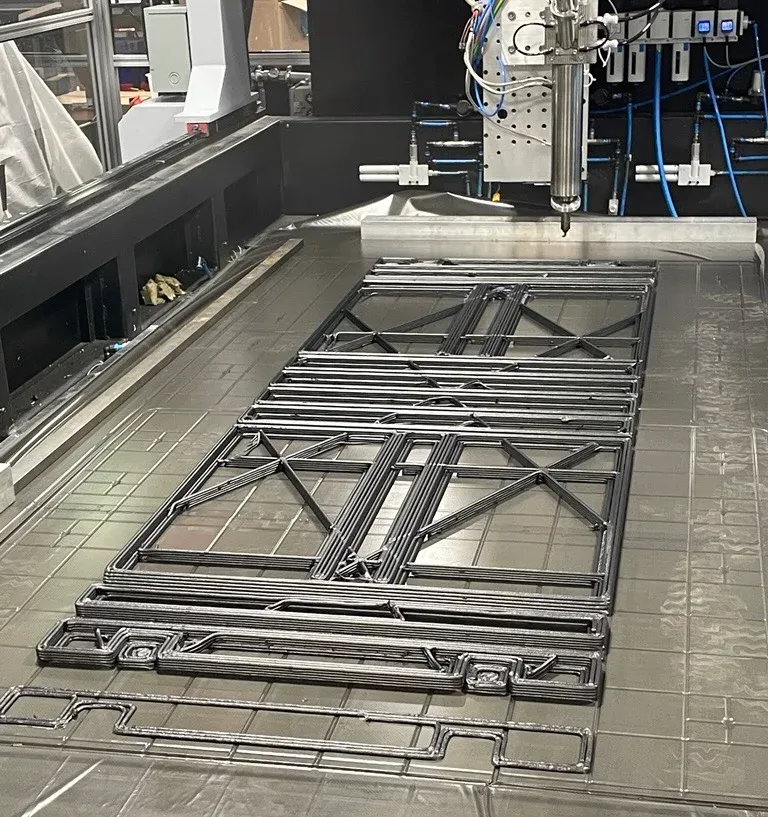
Start Your News DetoxEach panel has a base made from a tough fabric like nylon or glass fiber. A layer of bonding material, such as thermoplastic polyurethane, is applied to this base.
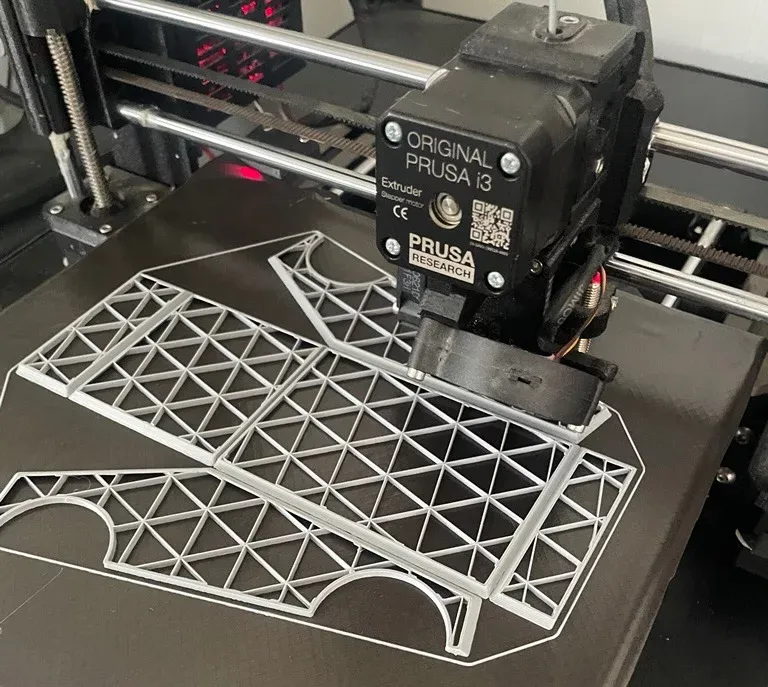
Then, a grid-like structural layer is 3D printed onto the bonding layer. This layer can be made from carbon-fiber acrylonitrile butadiene styrene for light parts. Or, it can use thermoset resins for more stiffness and durability.
The grid and the fabric base form a strong bond at the molecular level. Guzorek explained that choosing the right materials is key to this bond. He said they picked materials known to bond well, creating a truly integrated component.
Benefits of the New Method
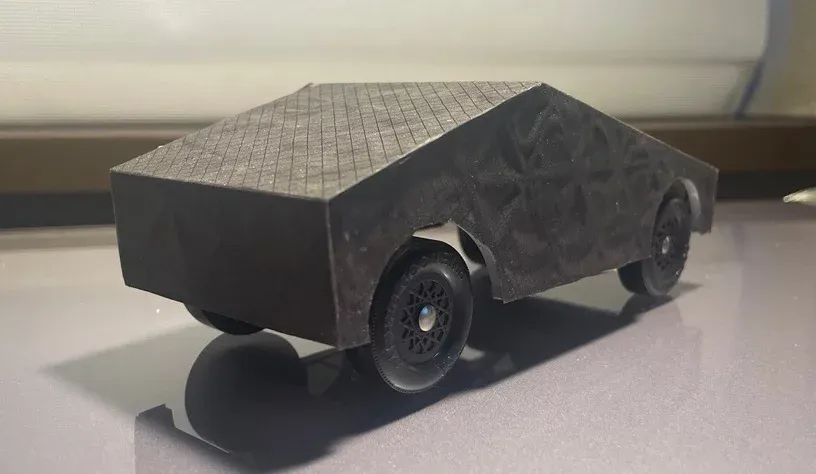
This technique creates a lightweight, flat-to-foldable material in one design. It offers precise control over shape and strength. This leads to lower costs and faster building times. It also allows for design changes as needed.
The method can also make complex shapes larger than the printing machine itself. Traditional mold-based methods often cannot do this affordably. Guzorek and his team found that removing molds cut fabrication times by 95% and costs by 90% for unique designs.
Not needing molds also saves money on storage space.
Guzorek hopes to make this innovation widely available. He believes it will help manufacturers explore new designs and uses for this technology.
Deep Dive & References
Advanced 3D Printing Creates Origami-Inspired Structures - Oak Ridge National Laboratory